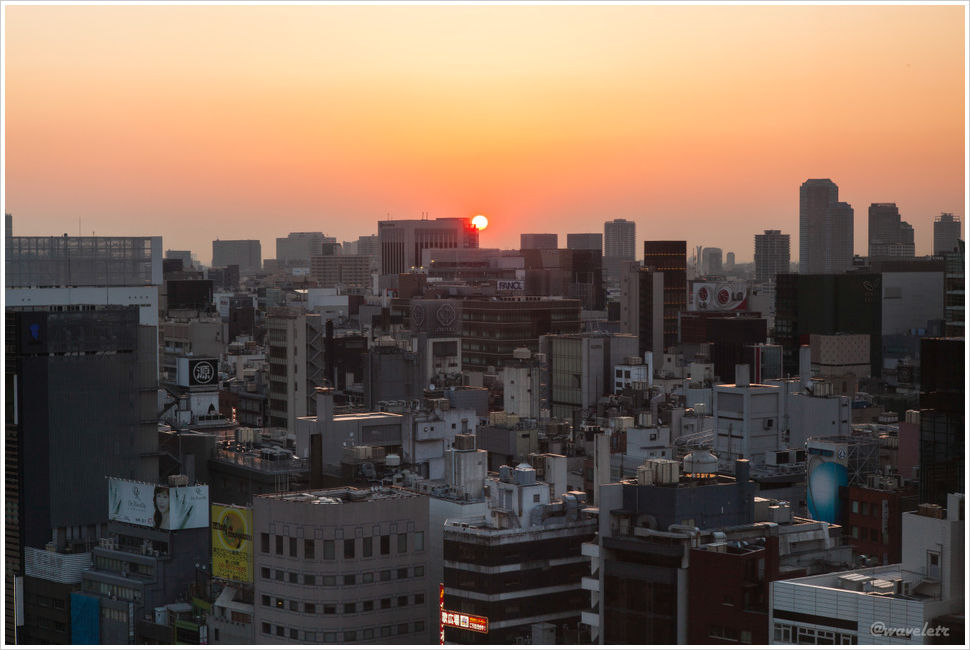
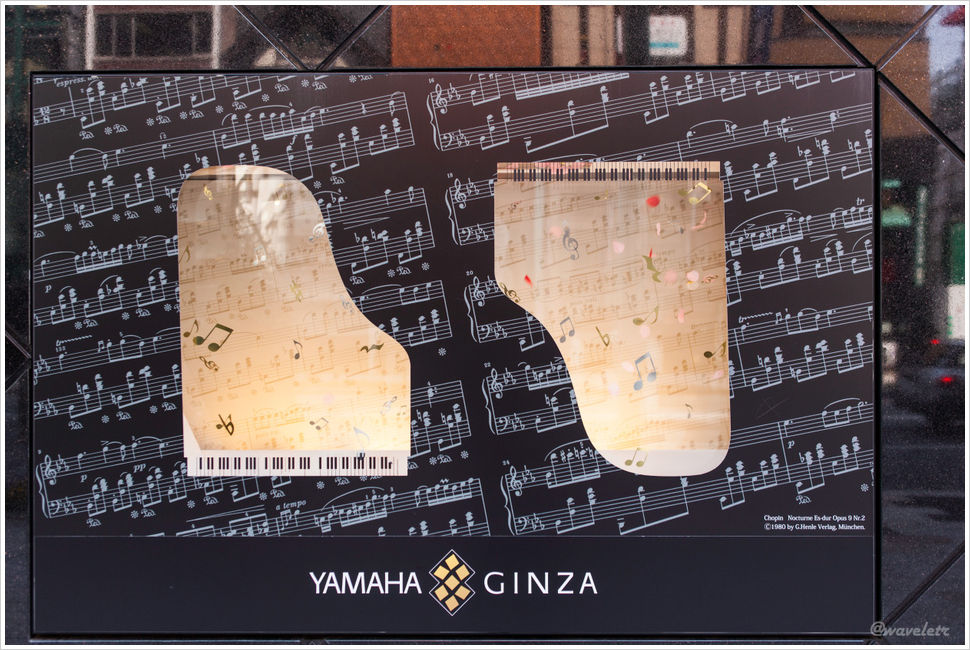
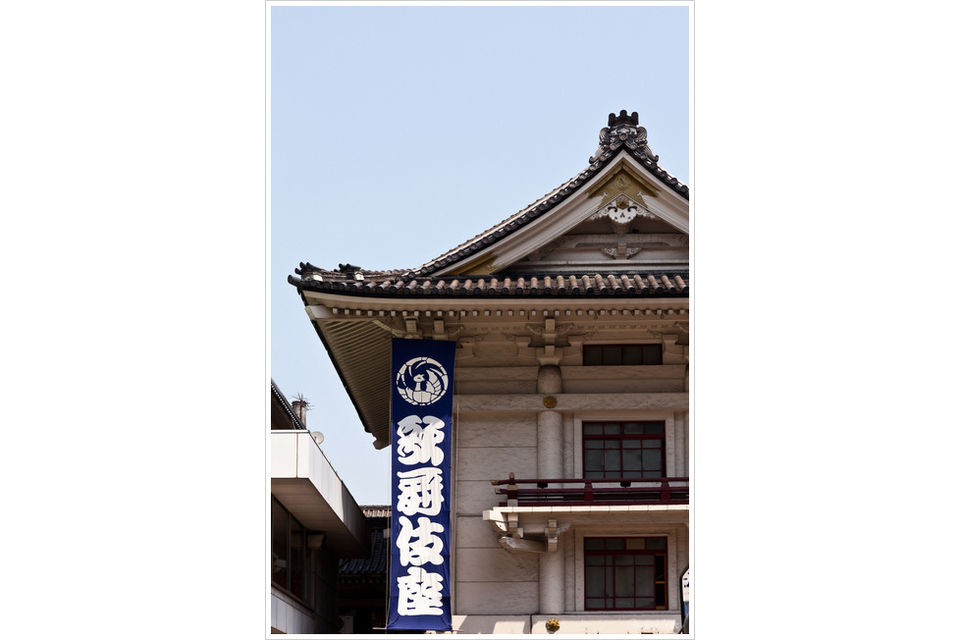
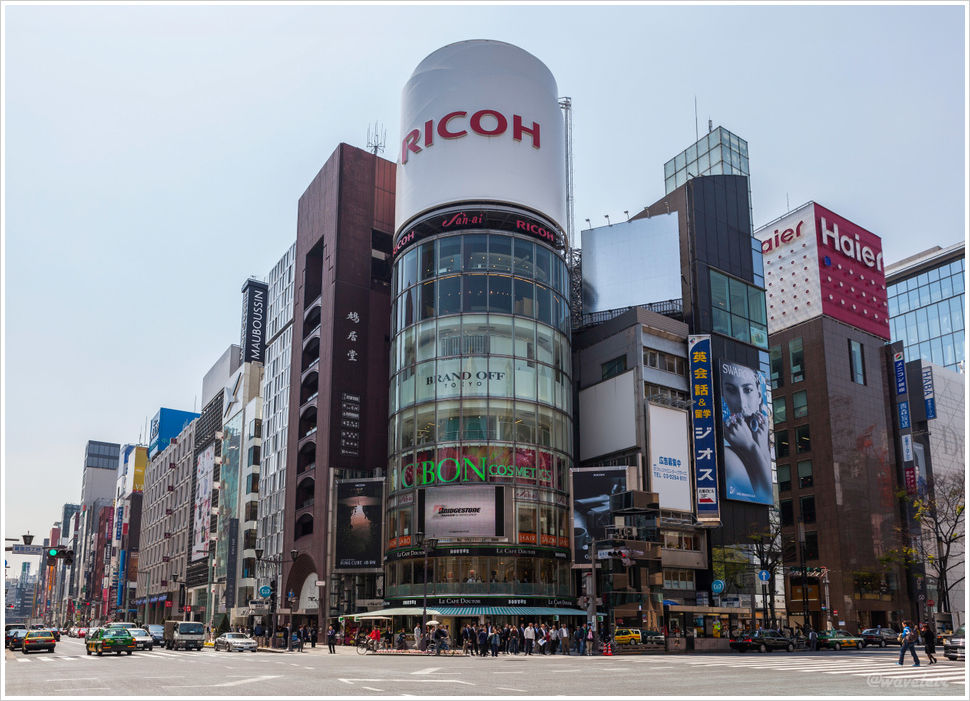
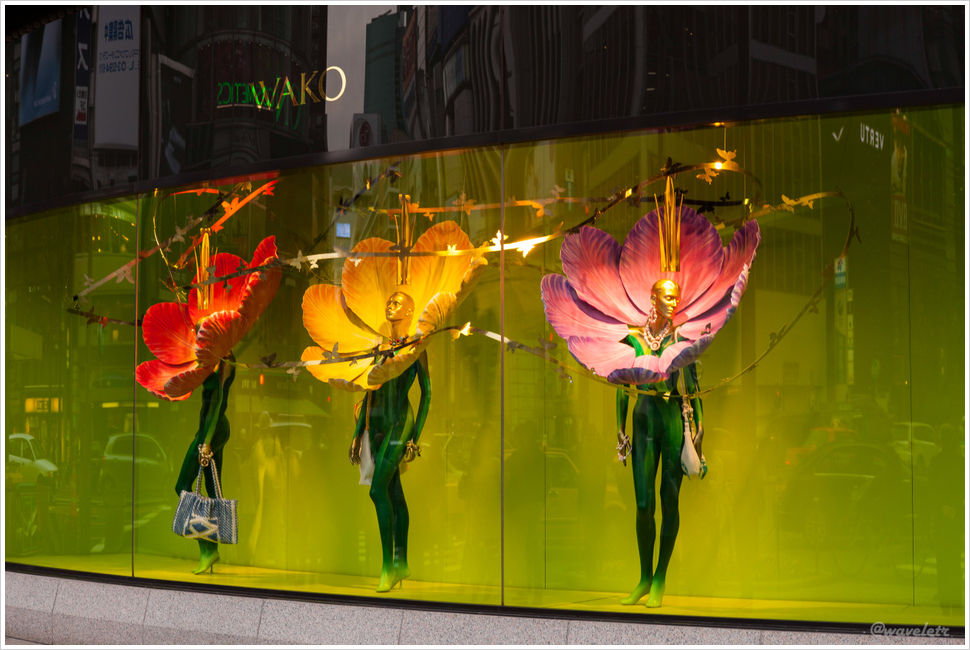
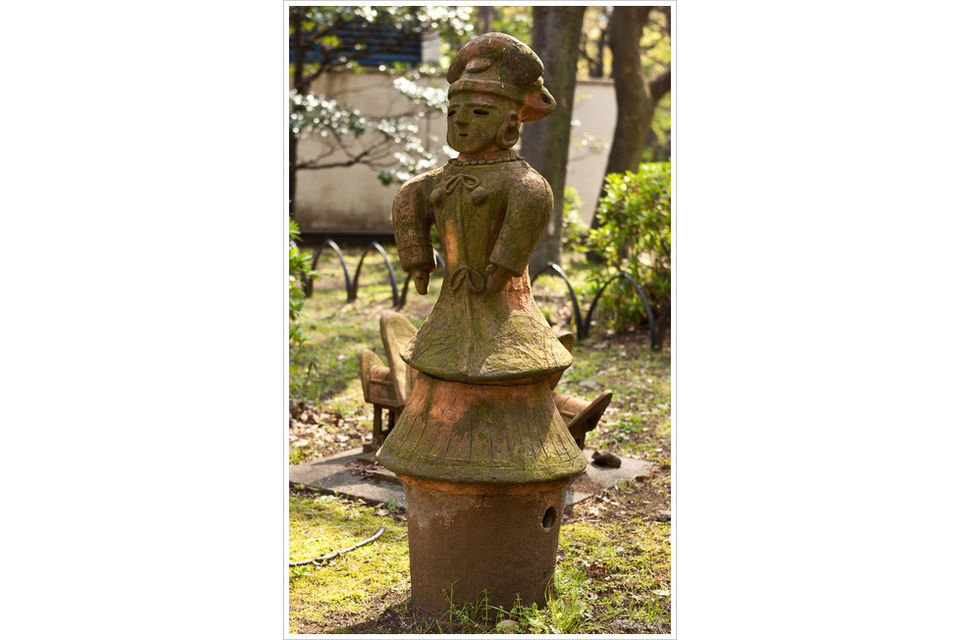
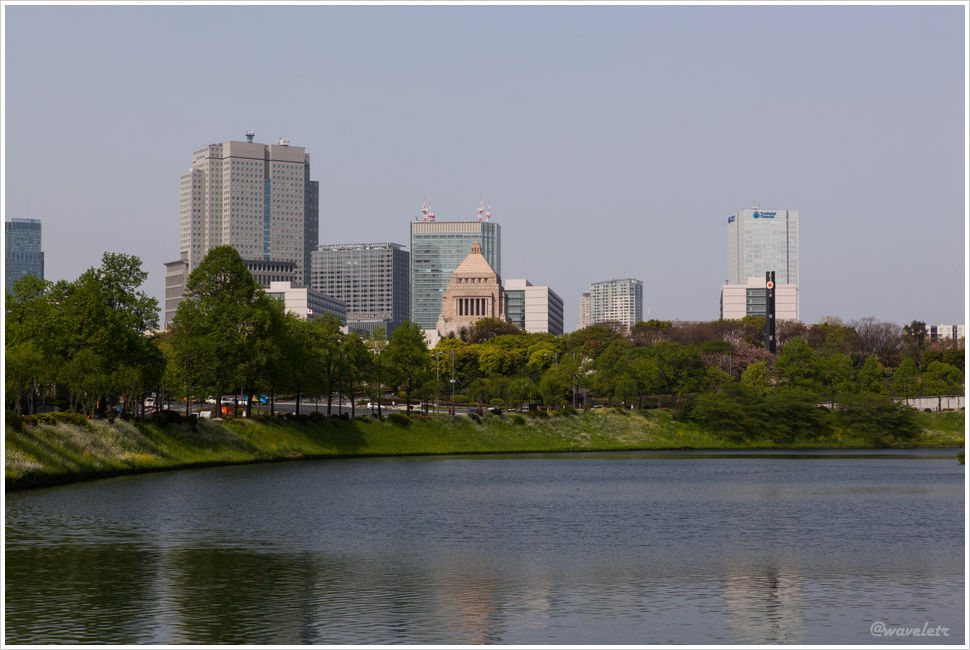
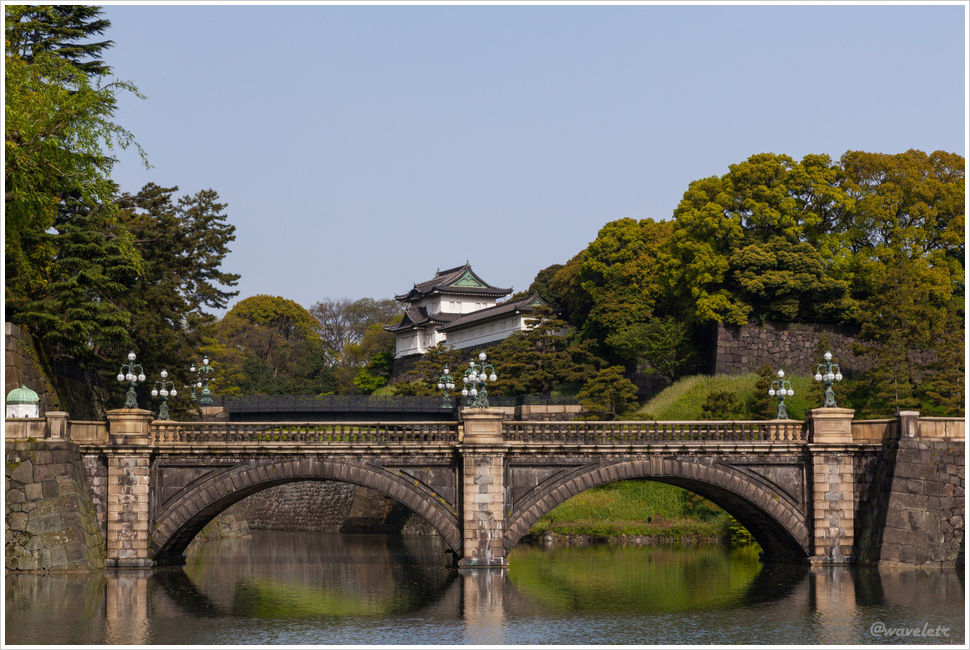
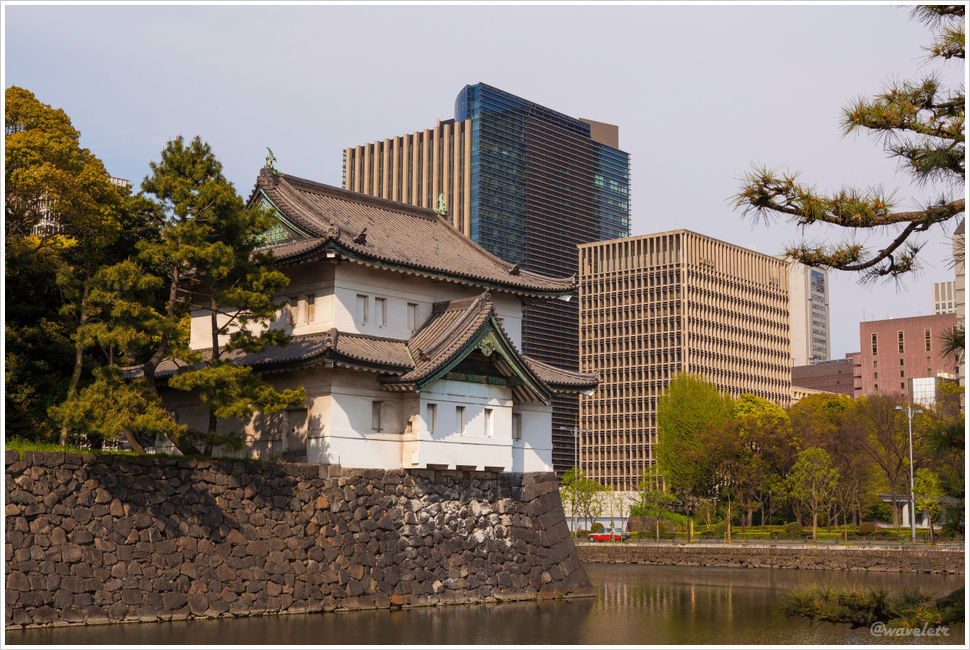
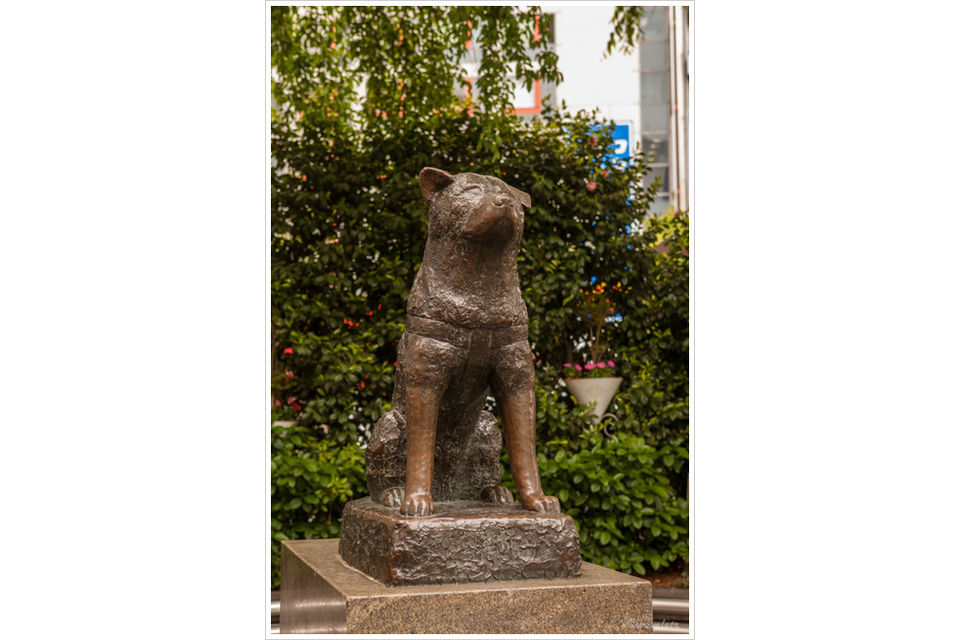
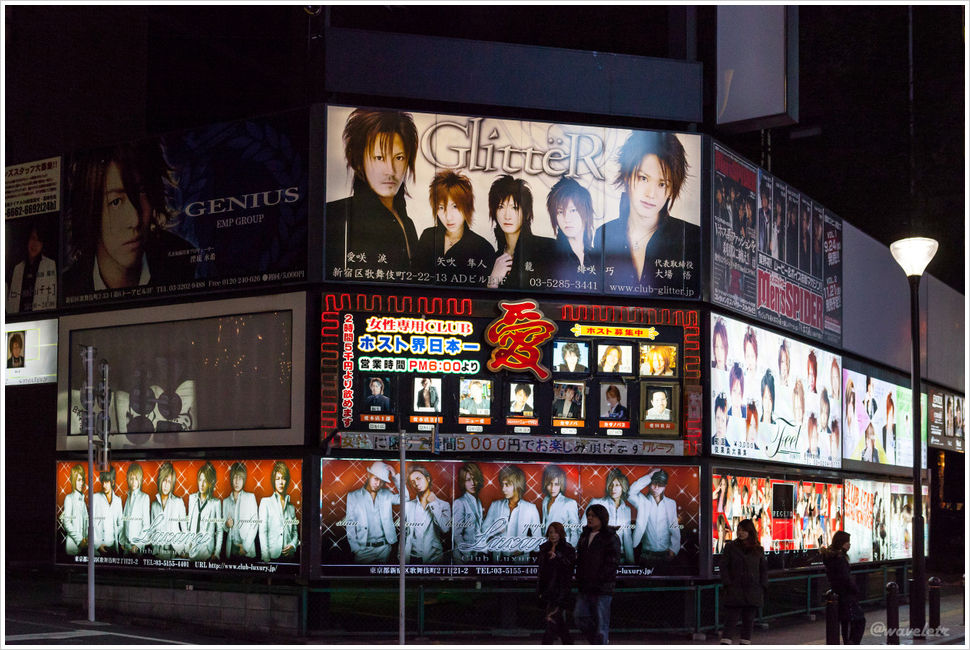
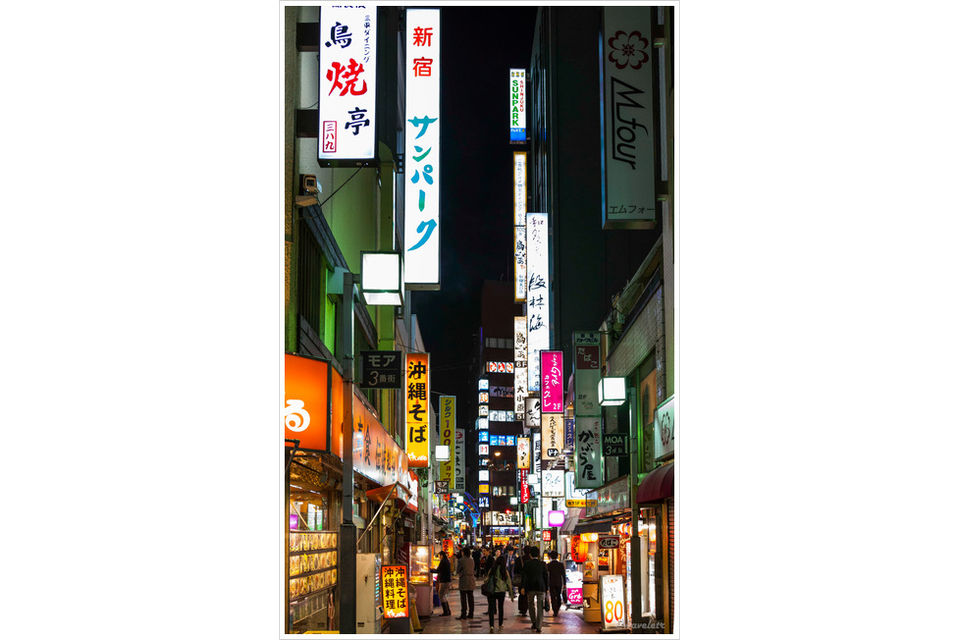
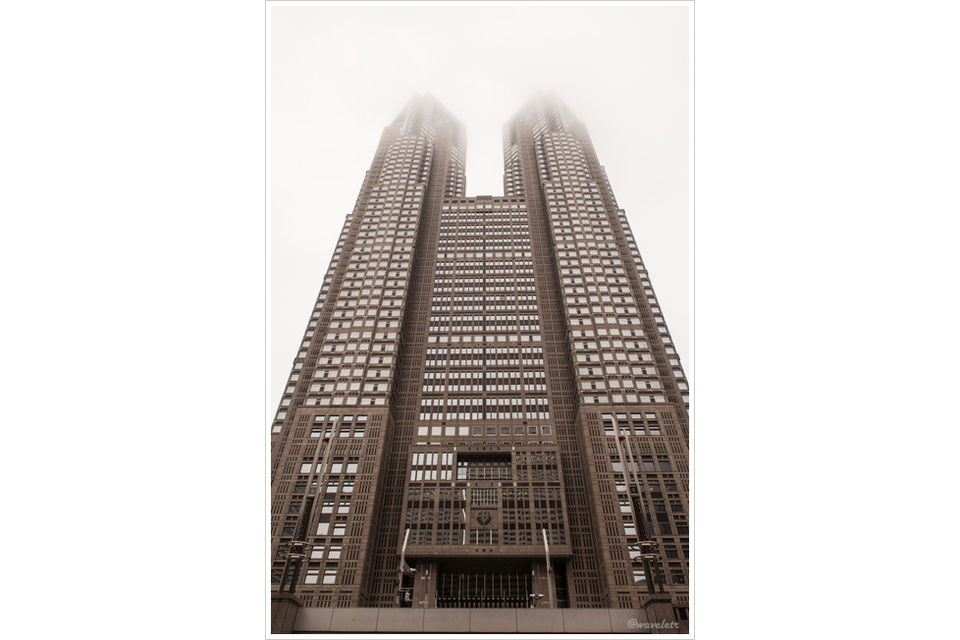
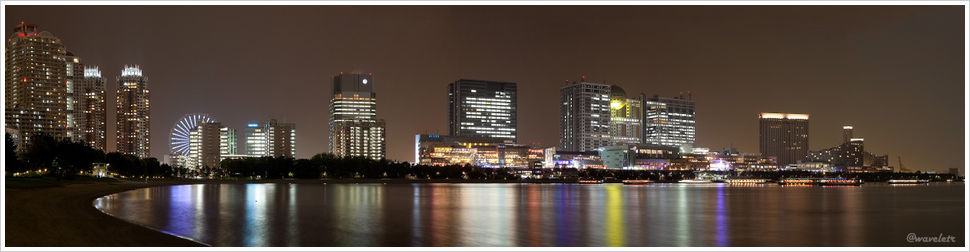
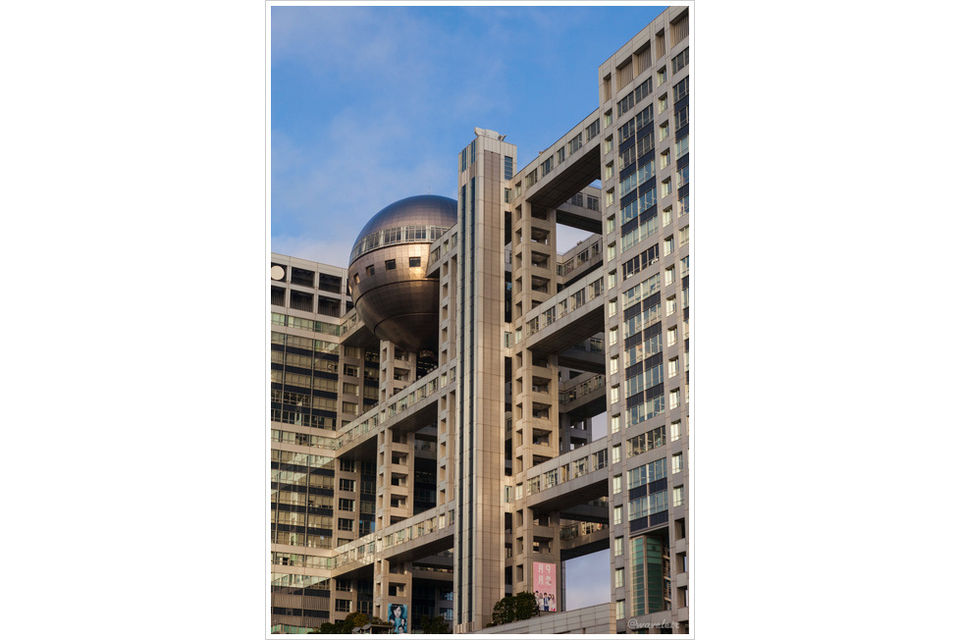
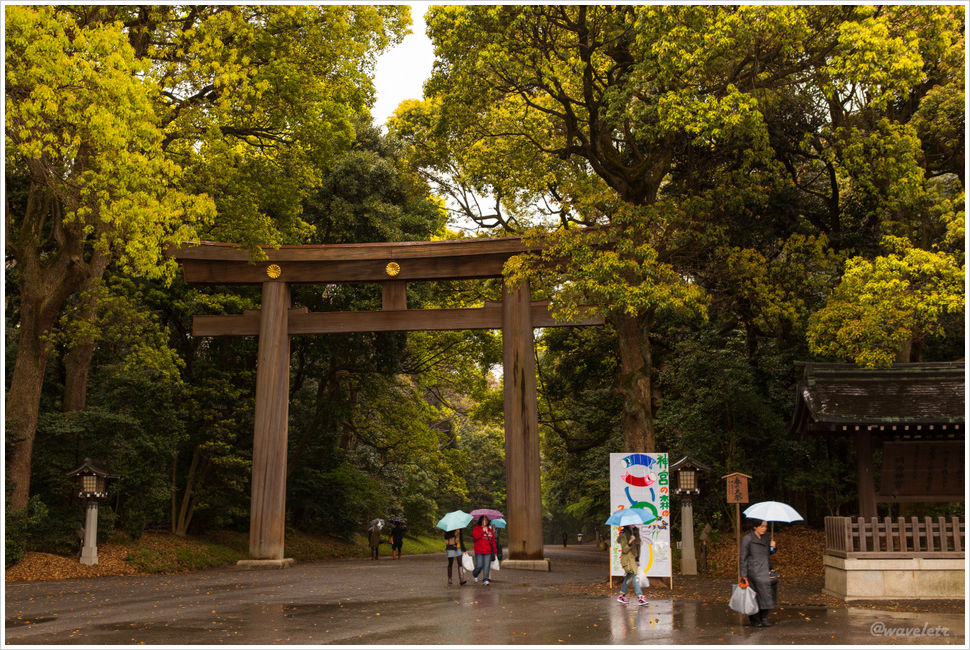
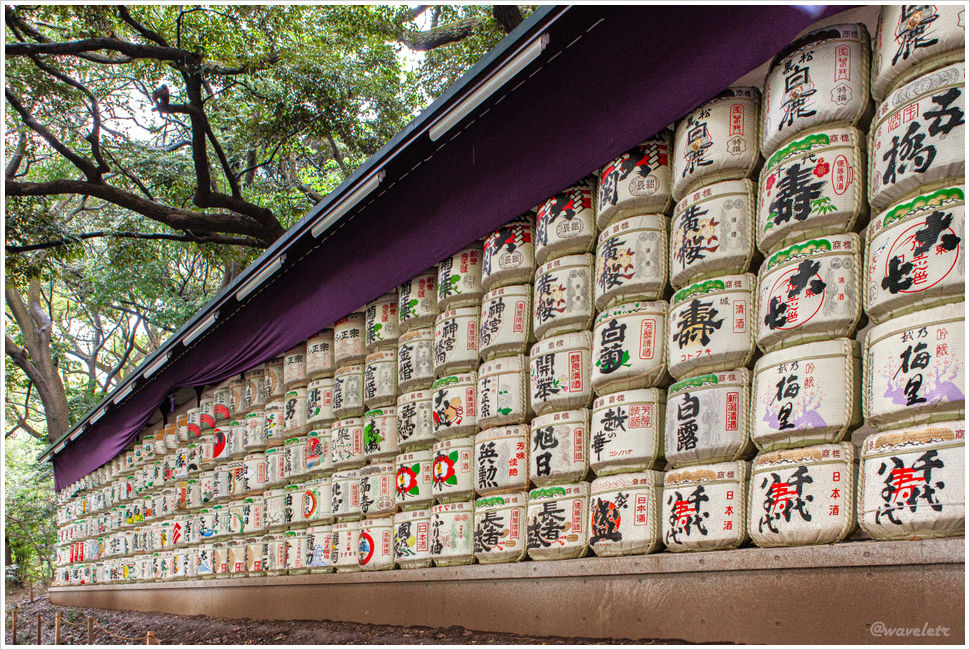
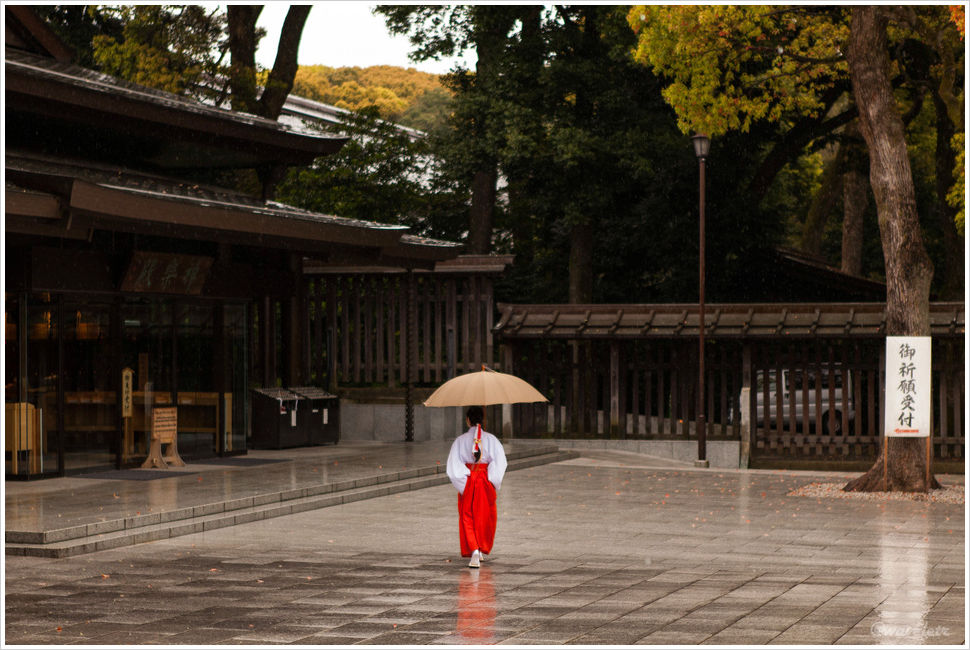
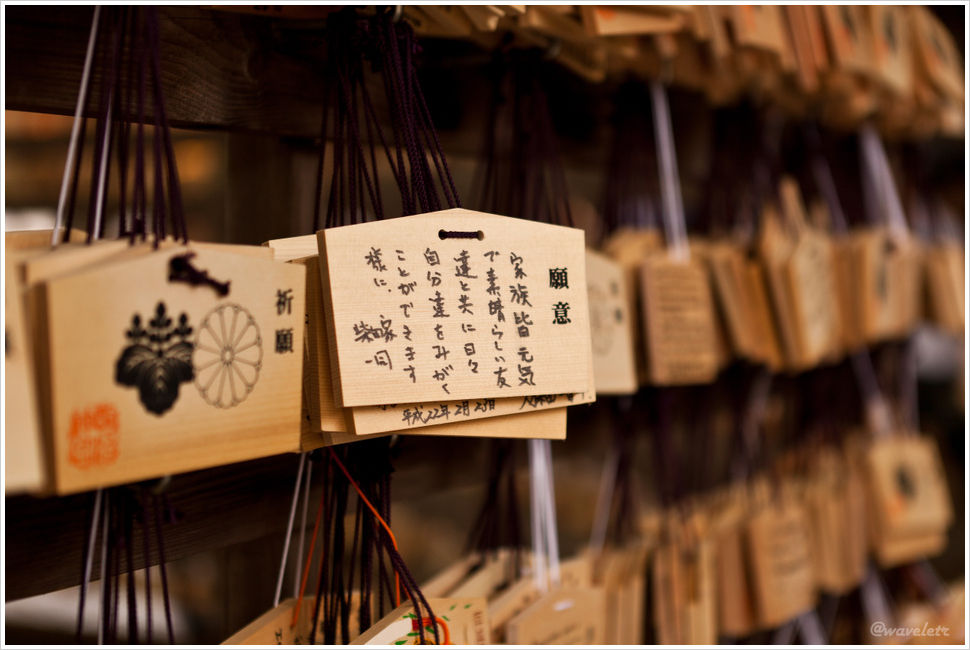
Tokyo is the most unique city in the world to showcase the fusion of east and west, tradition values and modern sensations. There is always a long line in front of Kabuki-za (歌舞伎座), people wash their hands before entering shrines and Statue of Hachiko (忠犬公像) is still a popular meeting place. Loyalty, honesty, discipline, perfectionism, these are still the values to be respected. On the other hand, the high rise in West Shinjuku (西新宿), the futuristic buildings in Daiba (台場), the nightlife in Kabukicho (歌舞伎町), the endless choices and customizations of consumer products and fashionable OL walking on the street all remind you that this is one of the most exciting cities in the world. While Kabuki, Tea Ceremony and Sumo are preserved, modern Japan has developed new cultural phenomenons, such as Anime, Cosplay and Video Games.
Although a lot of Japanese traditions are highly influenced by ancient China, they are better preserved and valued in Japan. The cultures are so rich and the country is relatively small. It makes Japan an ideal destination for tourists.
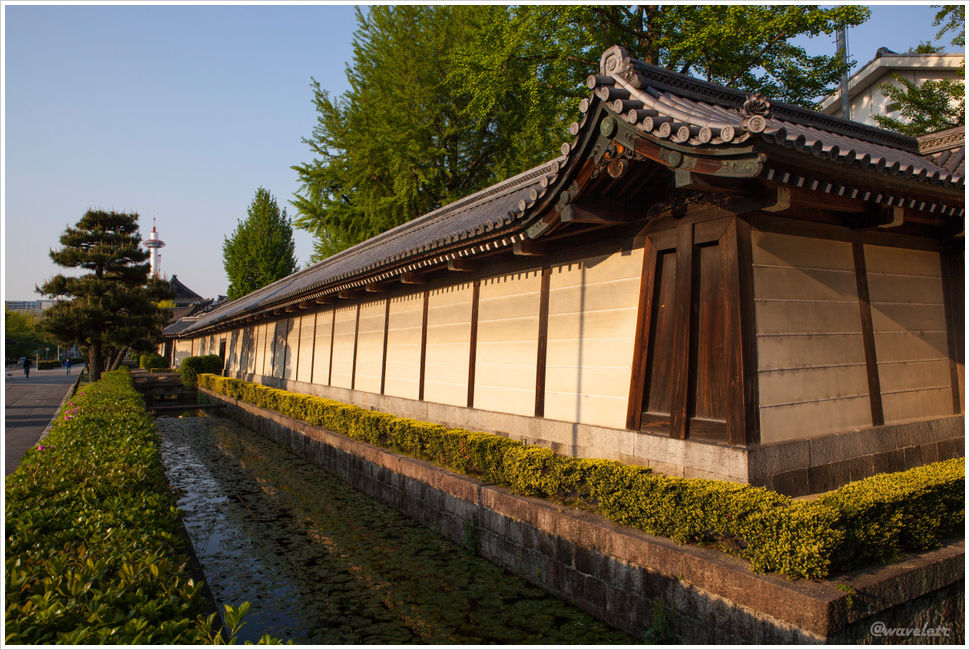
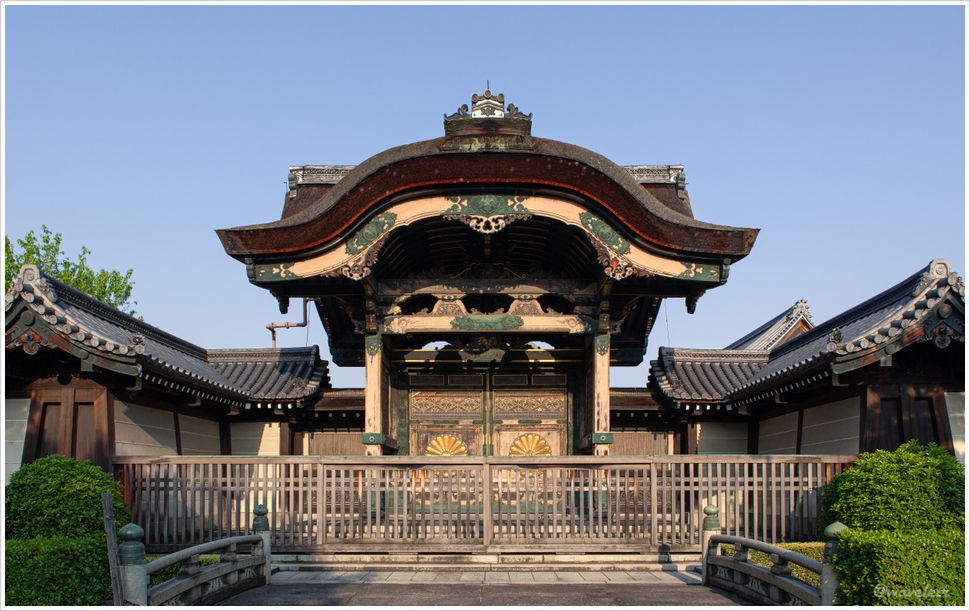
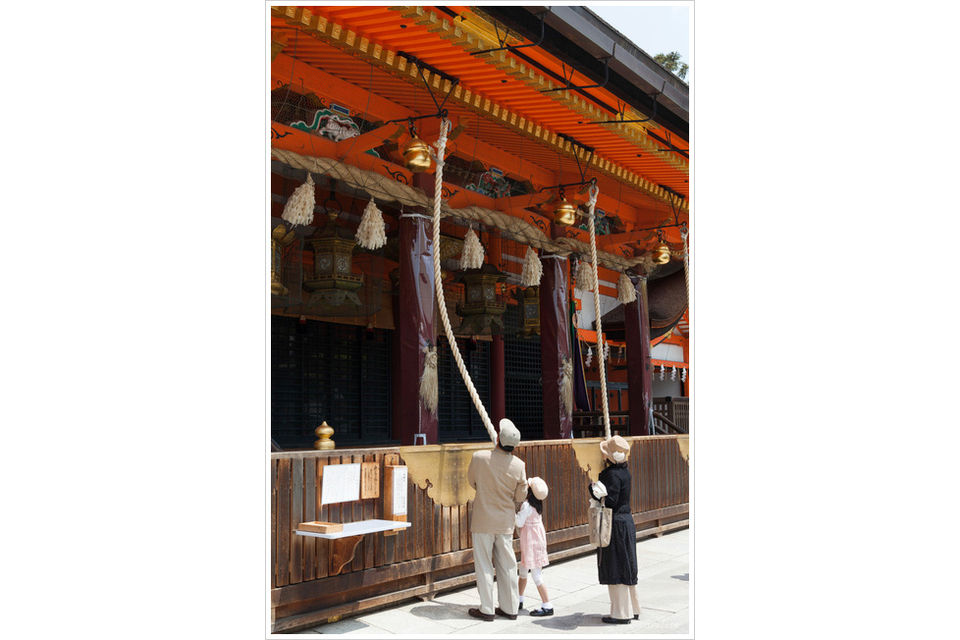
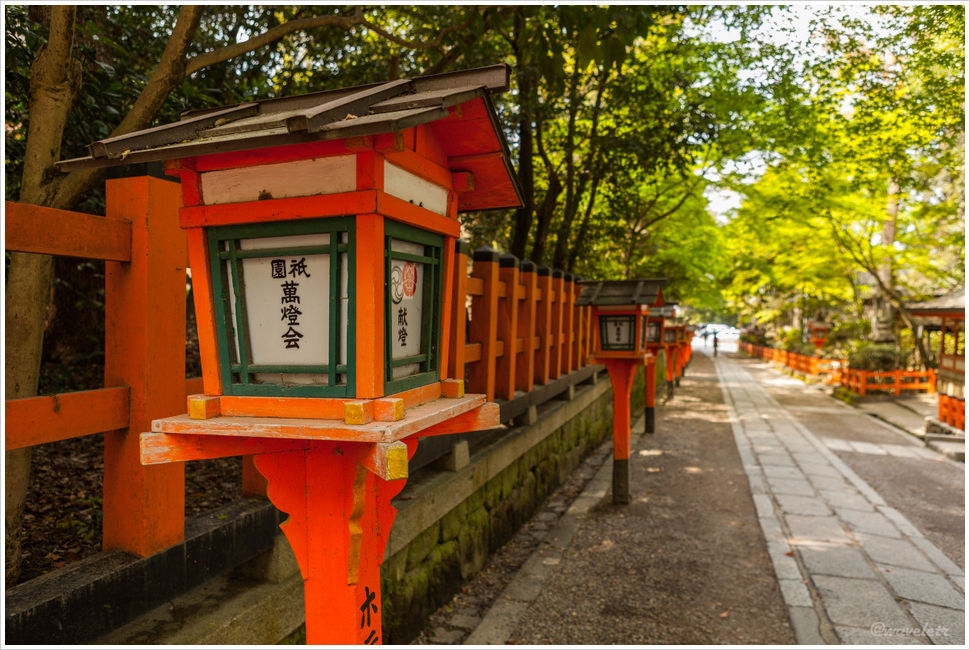
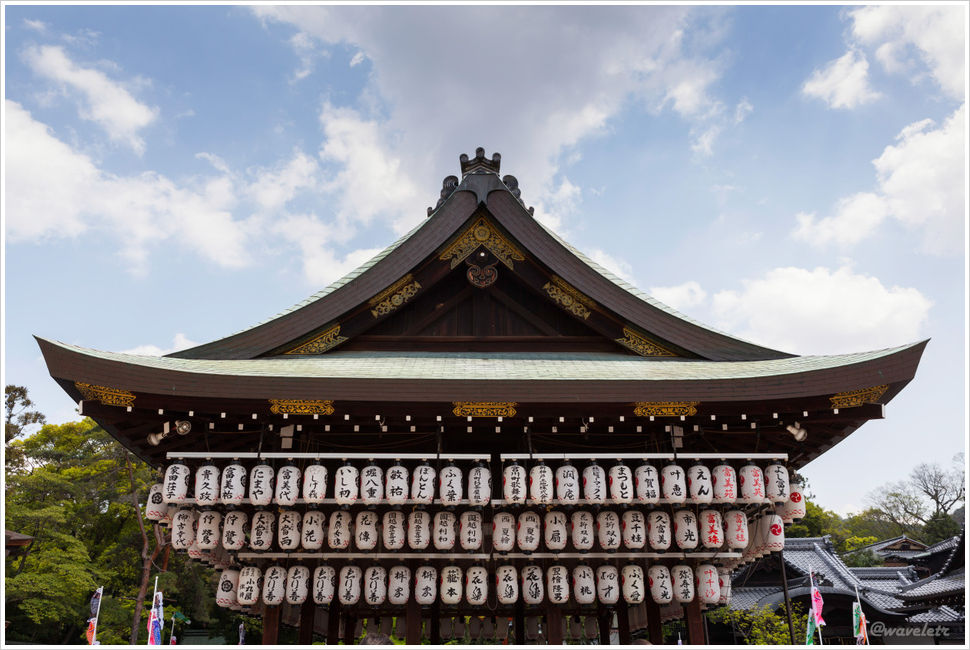
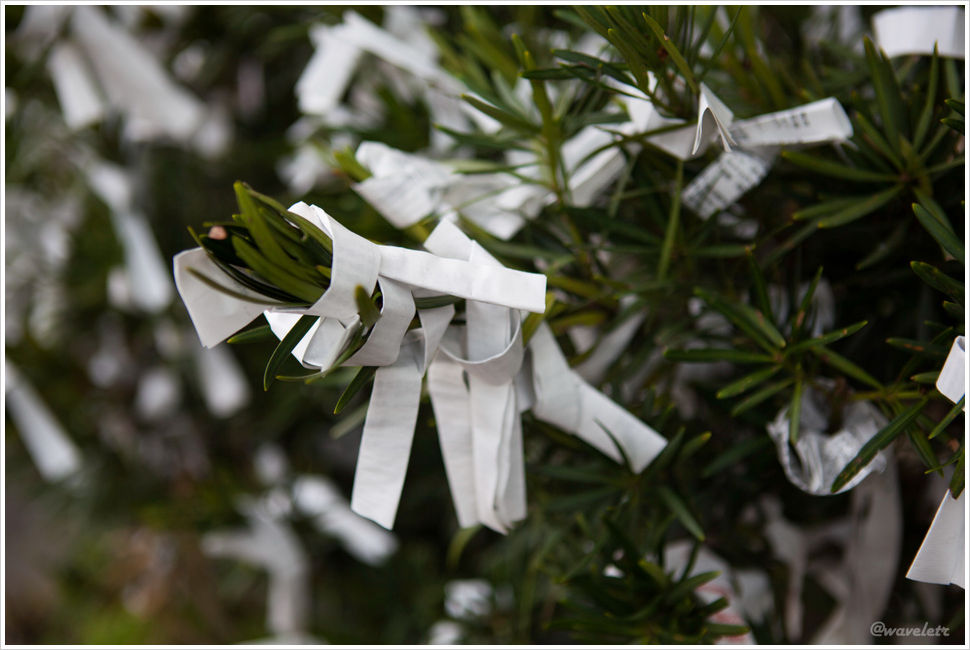
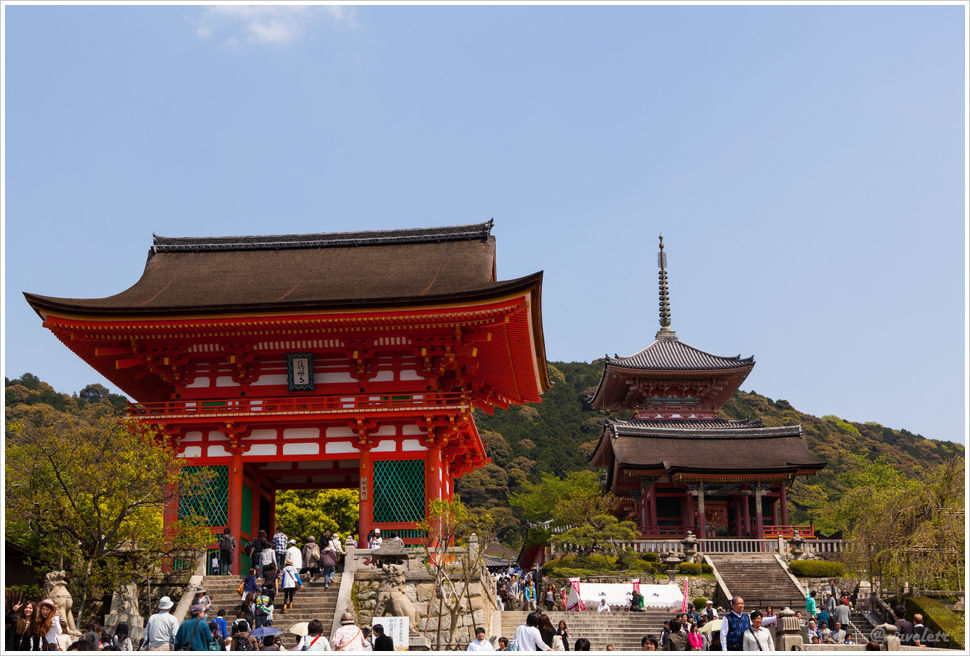
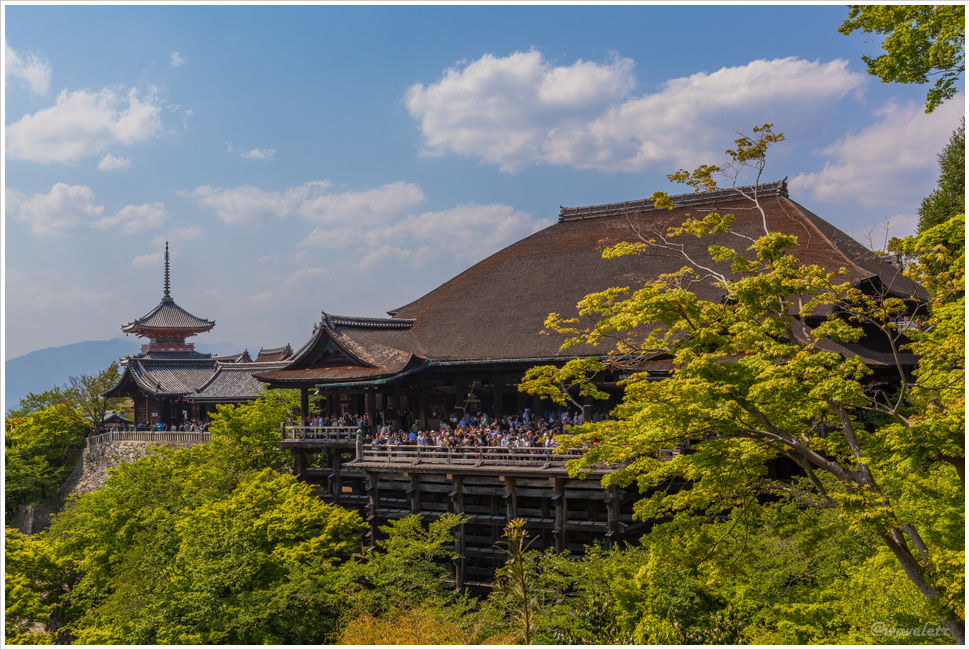
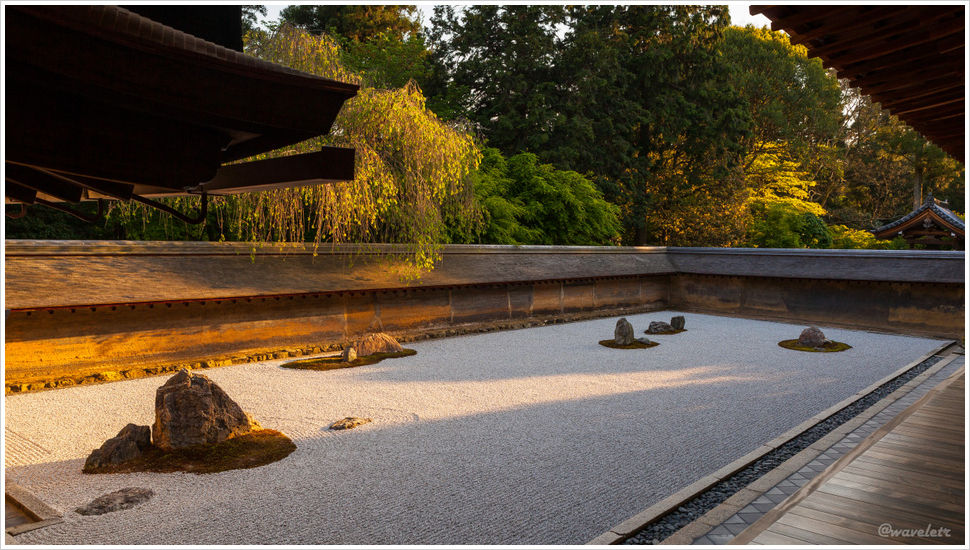
There are countless temples and shrines in Japan, especially in Kyoto. While temples are for Buddhists, shrines are the worship places for Japanese traditional Shinto (神道教).
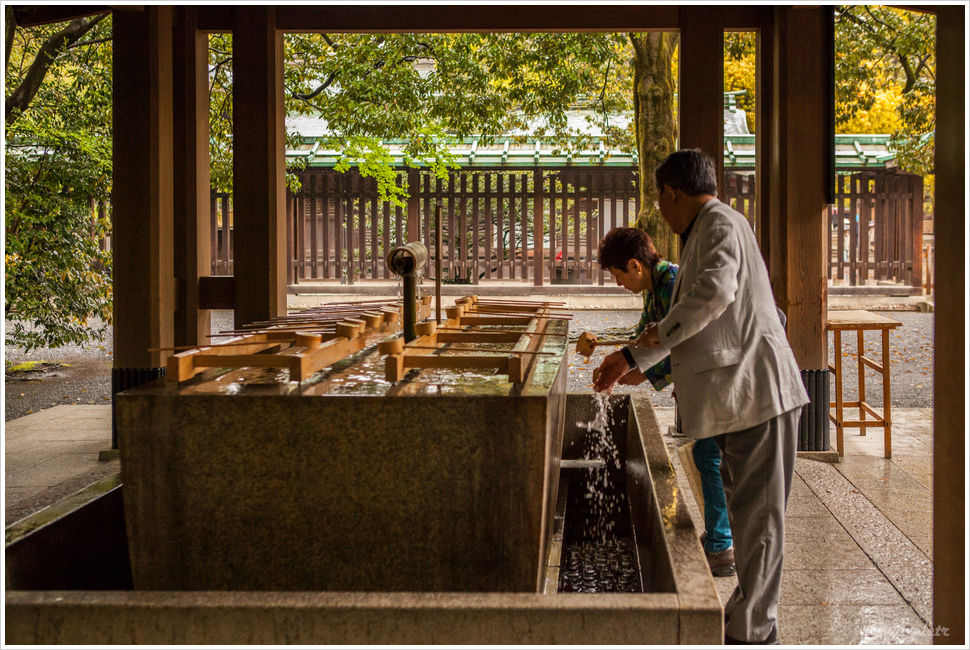
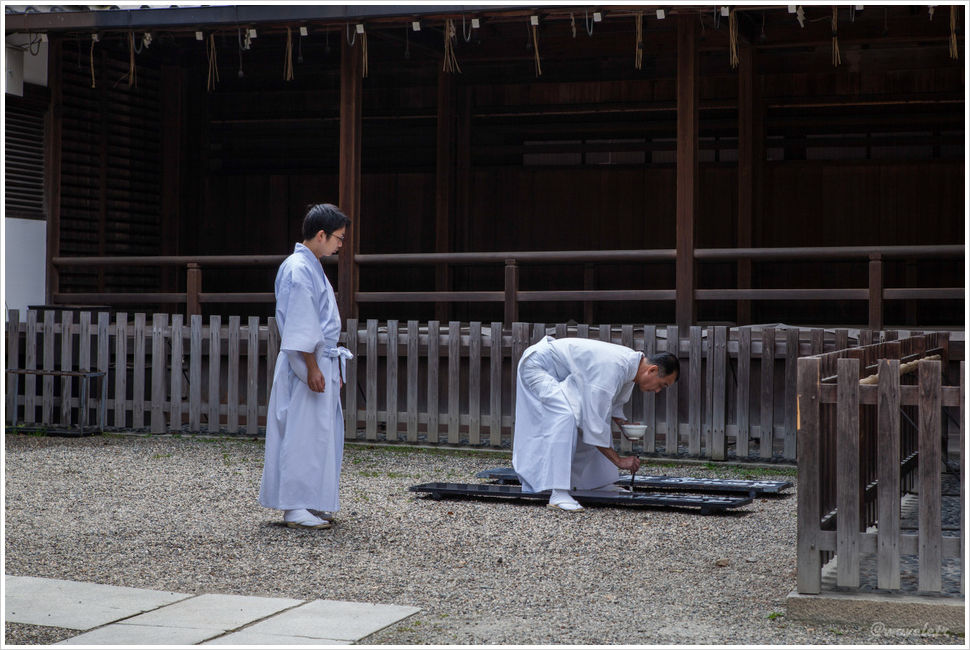
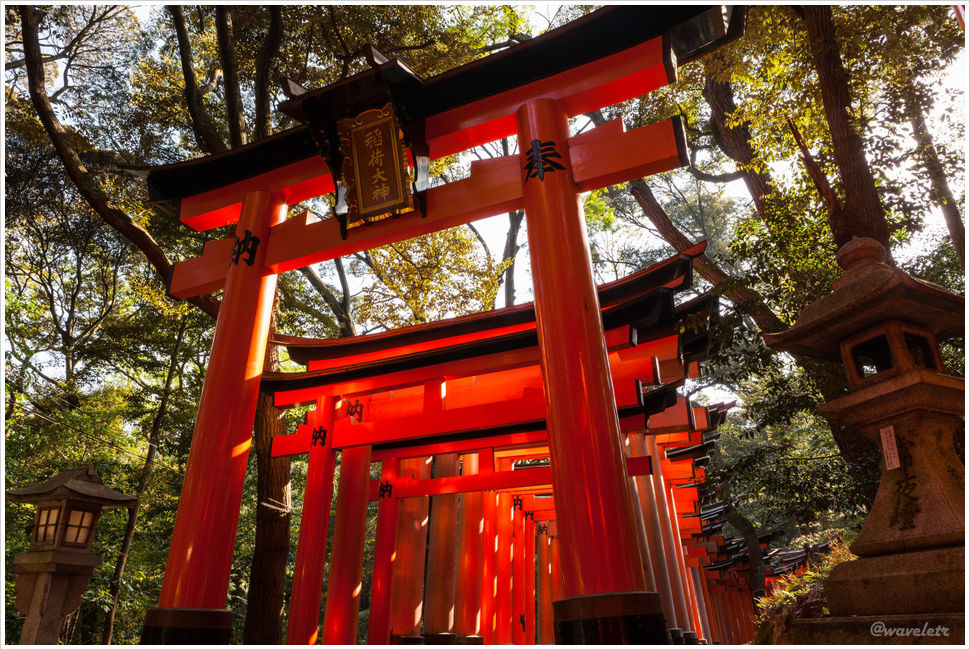
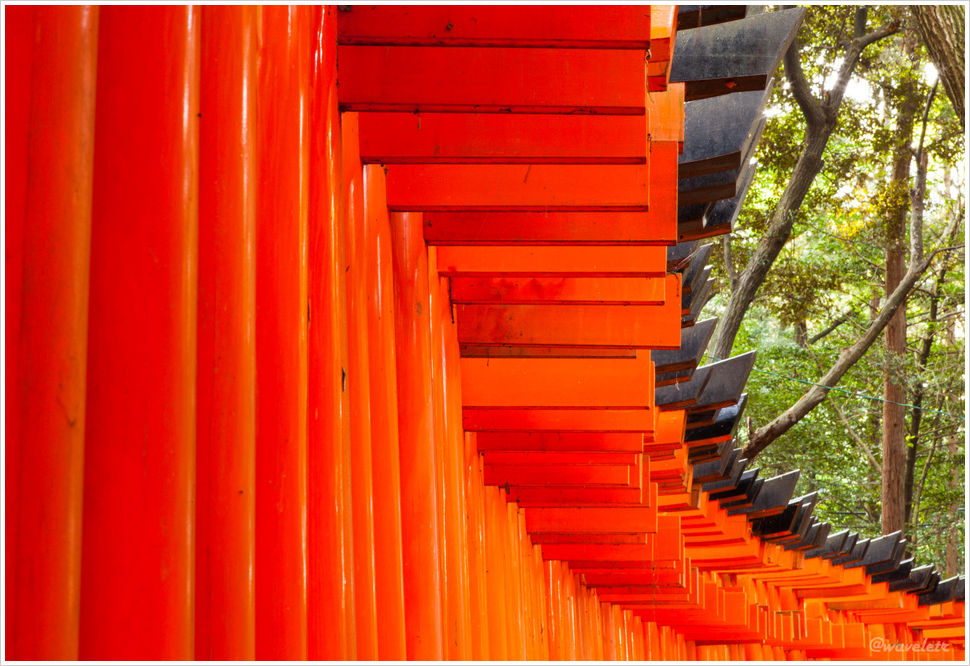
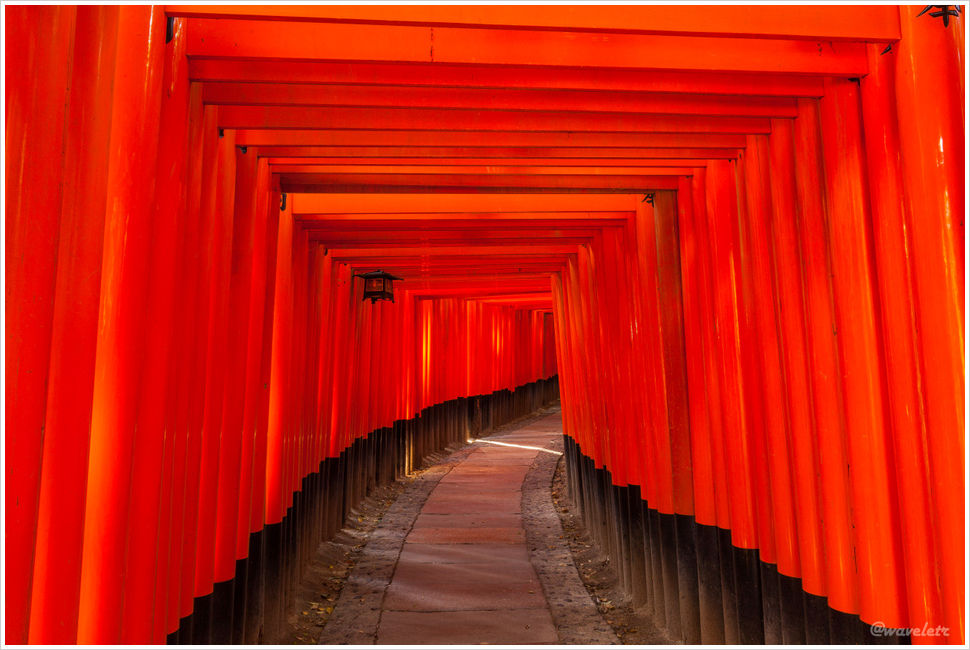
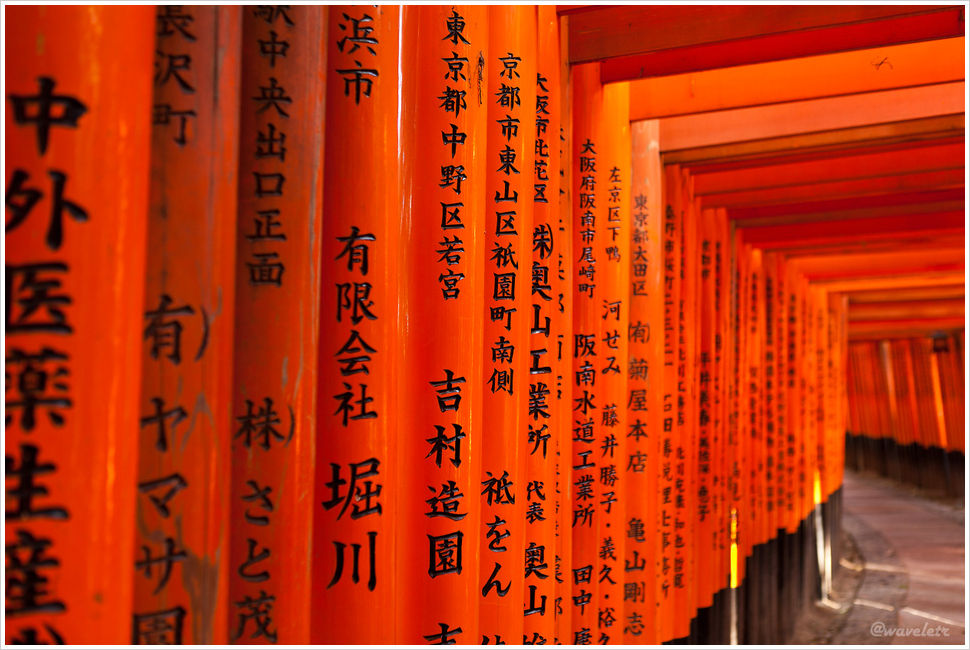
Shinto Shrines are marked by its symbolical gate, Torii (鸟居). The most famous, also the most photographed, shrine is Fushimi Inari Taisha (伏見稲荷大社) in Kyoto. Because Inari is a god of business, companies and individuals built thousands of Toriis dedicated to Inari. These thousands of gates in red color lines up one after another along the trails from the bottom to the top of the mountain. The scenery is really one of kind. There is no one single god in Shinto, anything in nature can be worshiped. Shrines normally have a small pool in front of their gate. People must wash their hands and mouth before entering the shrine.
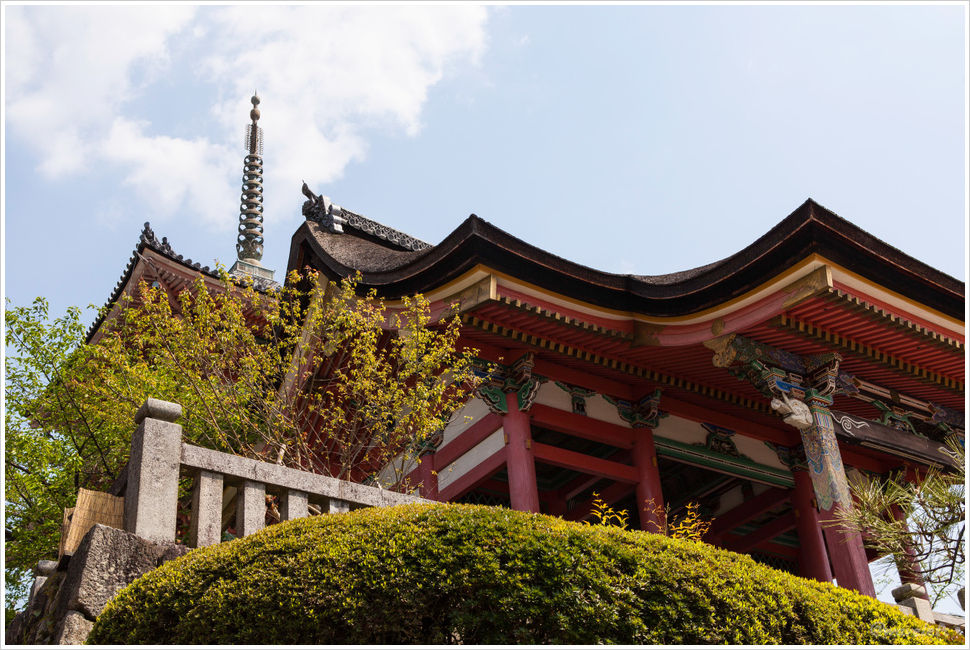
A lot of temples and shrines look very new because the paint seems to be applied recently. At first, I felt the new paints were conflicting with the ancient building style. I later learnt that rebuilding temples and shrines is a tradition in preserving their sacrality.
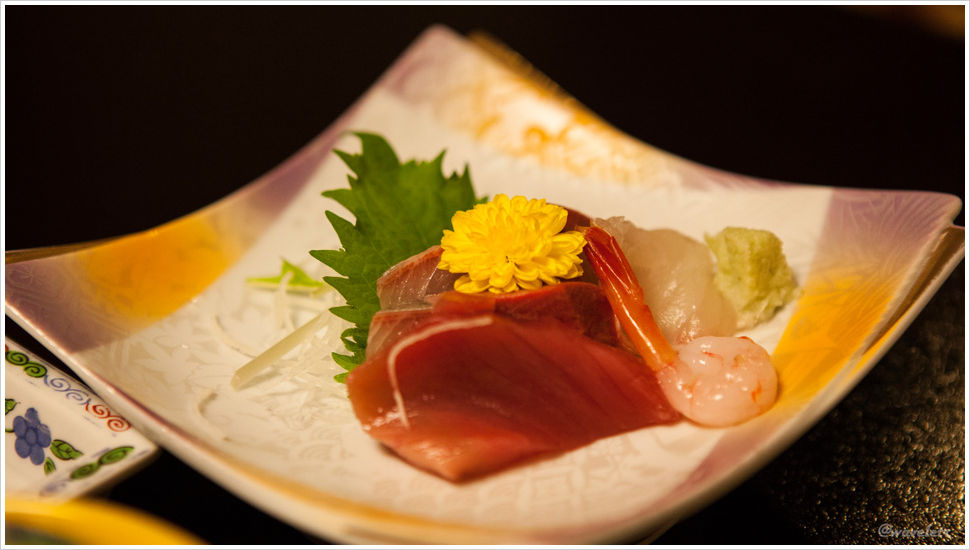
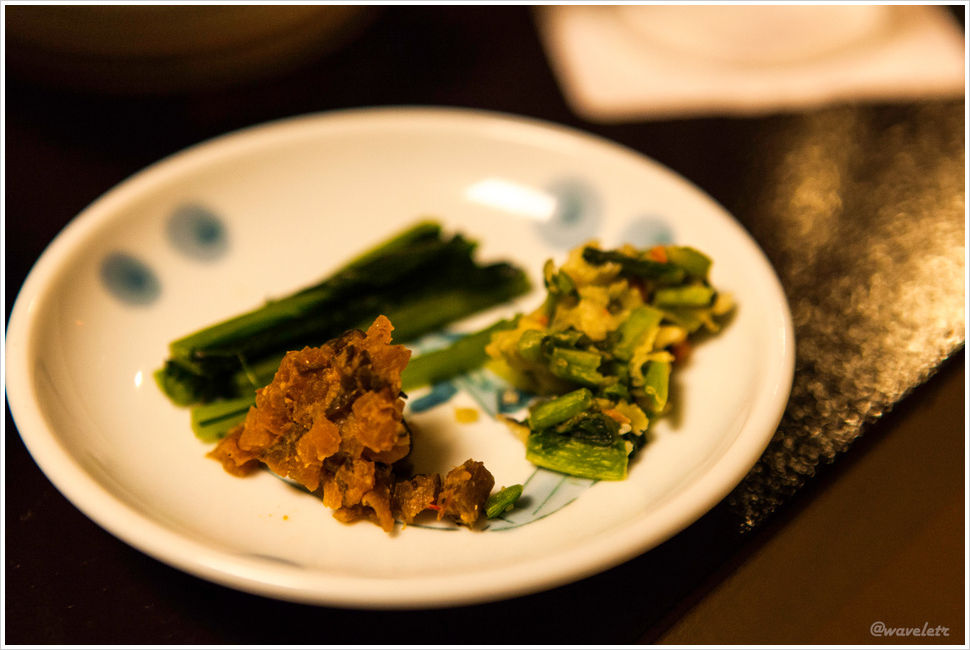
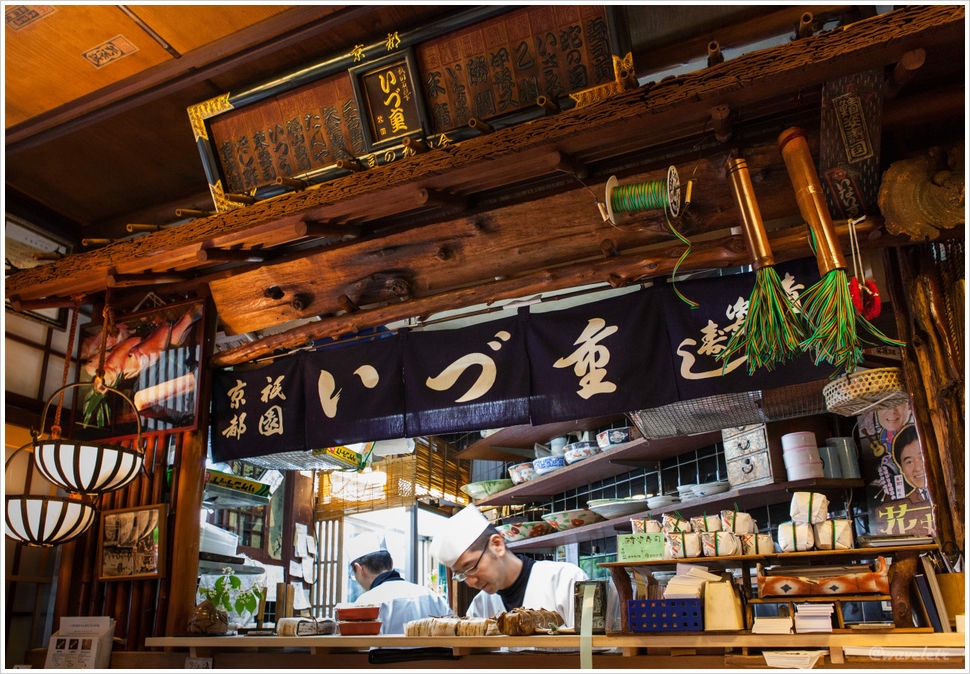
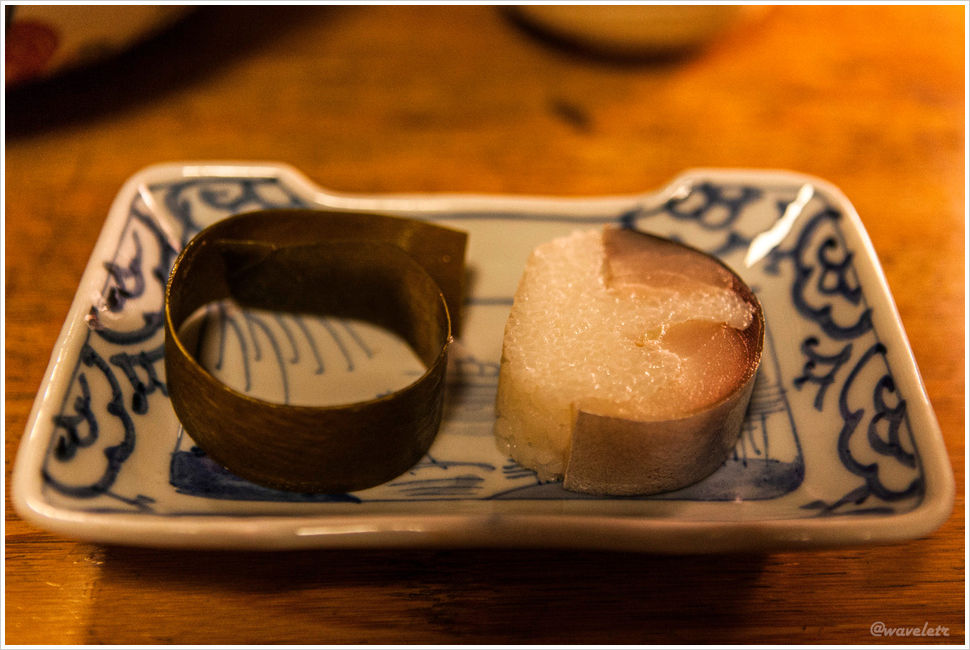
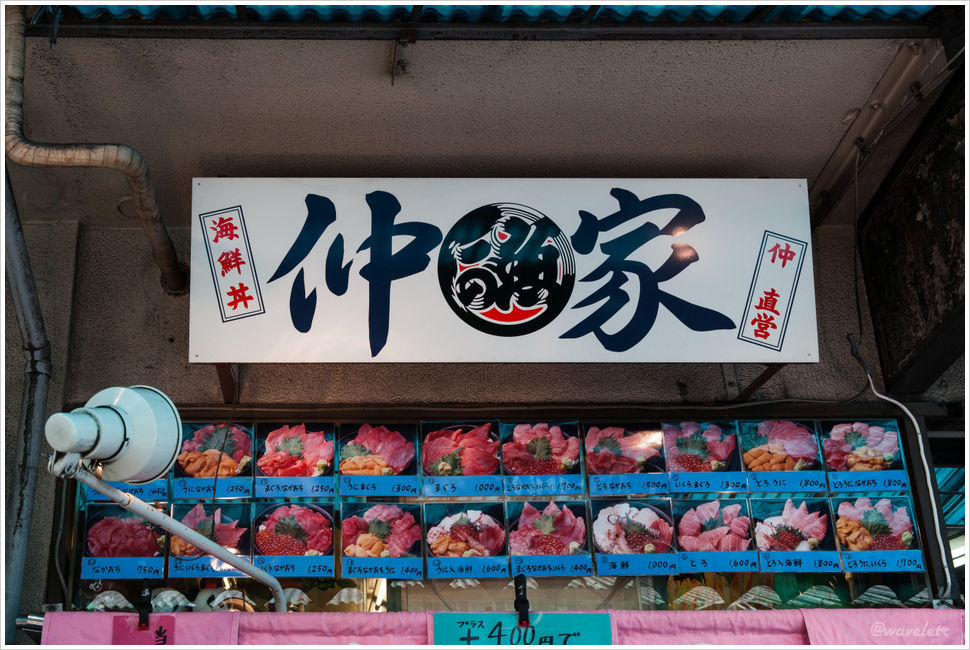
Most Japanese food taste quite light, (except noodles, they are very salty), and simple. A small portion of salted vegetables (咸菜) or Sashimi can be put on top of rice to make a dish. In fact, the rice itself is an ingredient. It is fresh and fragrant so the whole dish is still rich and flavorful.
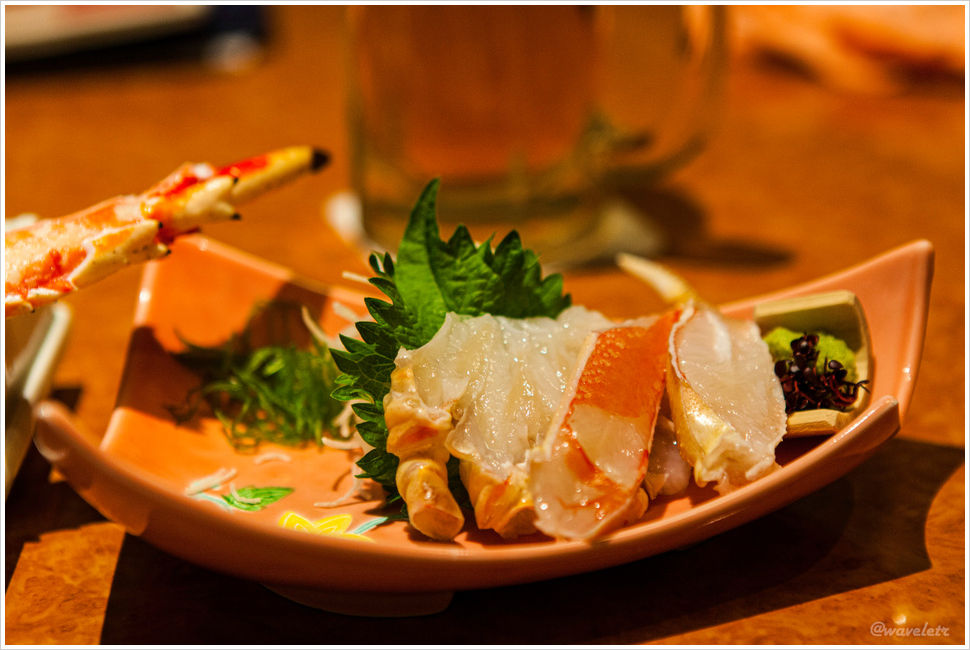
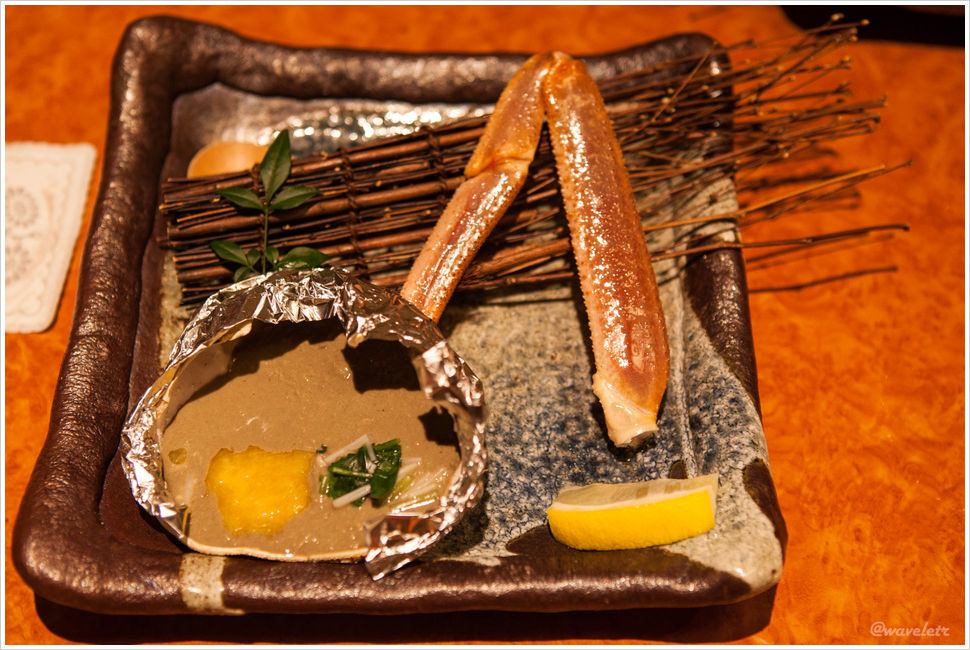
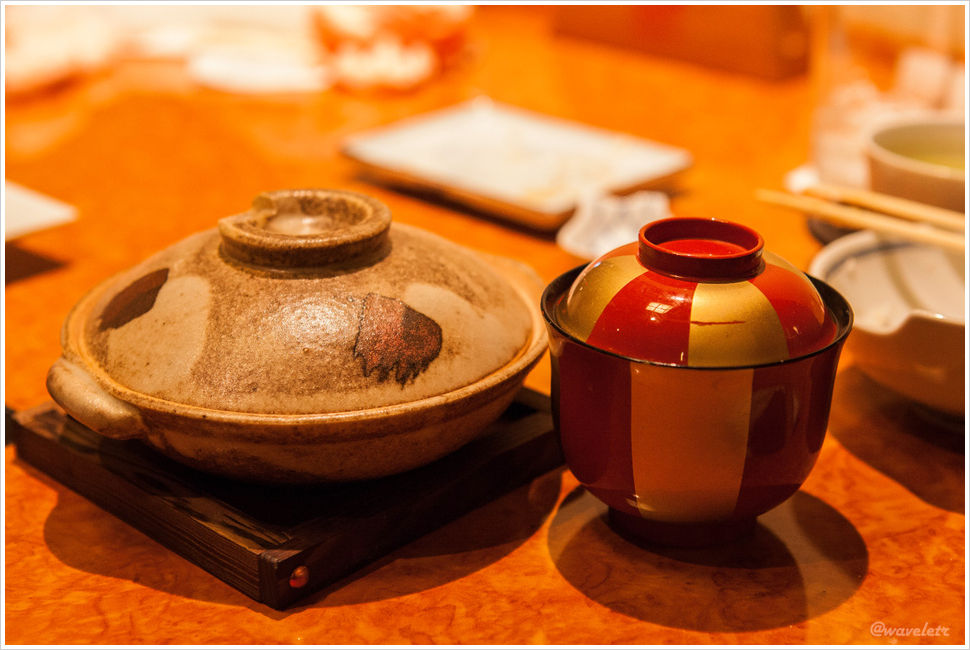
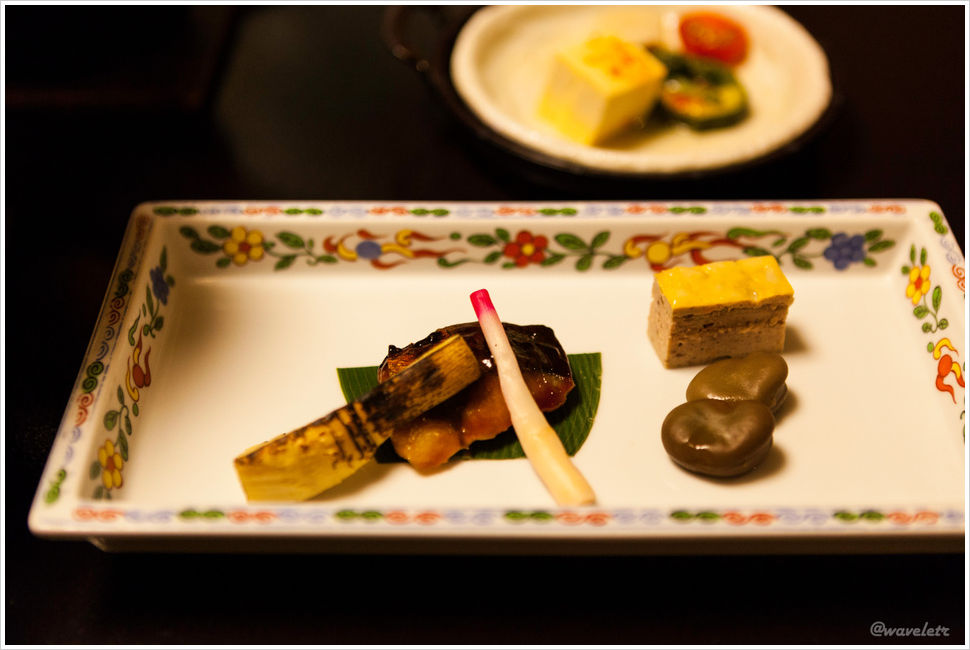
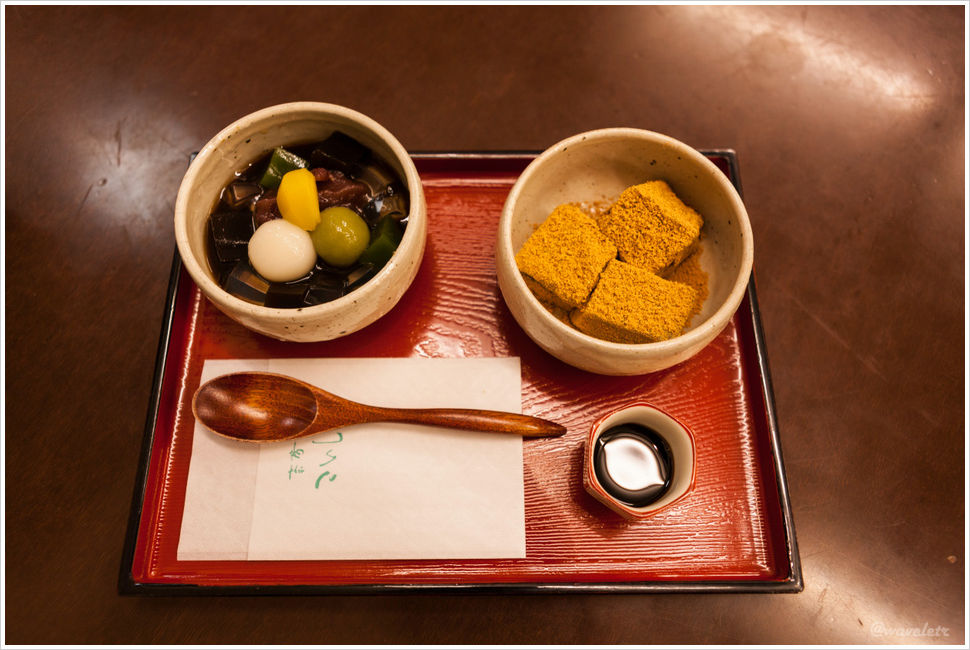
If to name one characteristic about Japanese cuisine, it must be their artistic plating. The dishes look so beautiful that you want to cherish them instead of eating them. If the content of the dish is simple, the preparation and cleaning must be time consuming because it takes many dishes to make a dinner. It is said that this is because in the past the resources is relatively scarce so Japanese have to make the food appealing to appetite. But I think pursuing the attractive presentation to the extreme is embedded in Japanese’s blood. The product packaging is always artful, the streets are always tidy and organized, even people are always dressed fashionably.
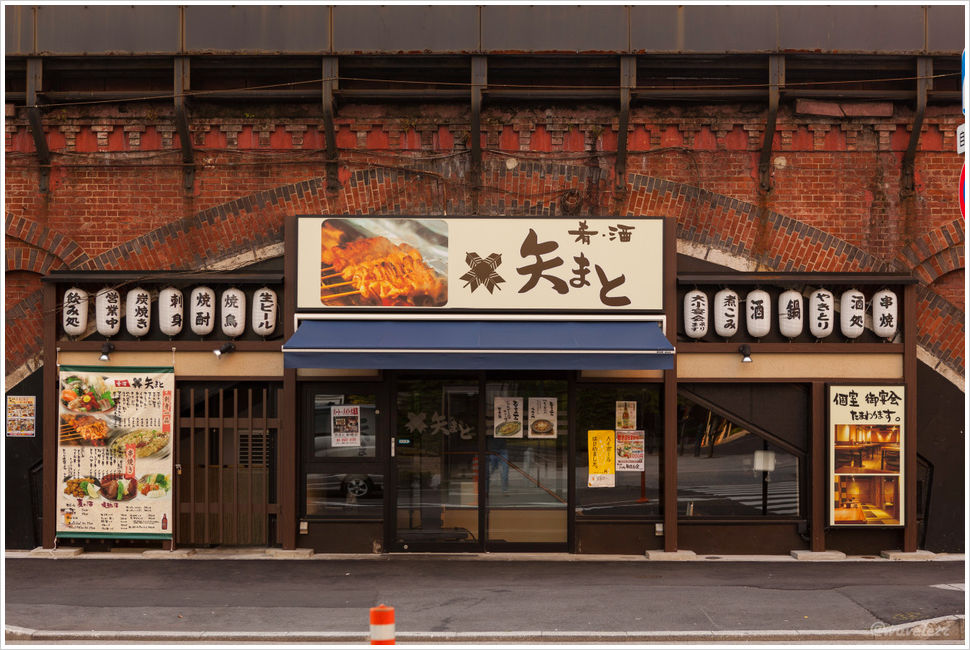
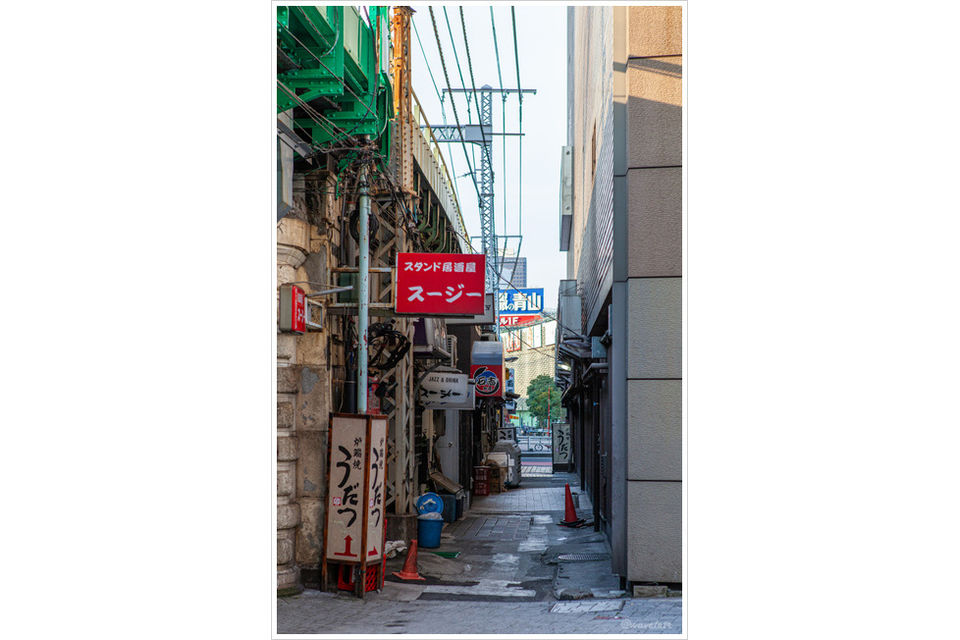
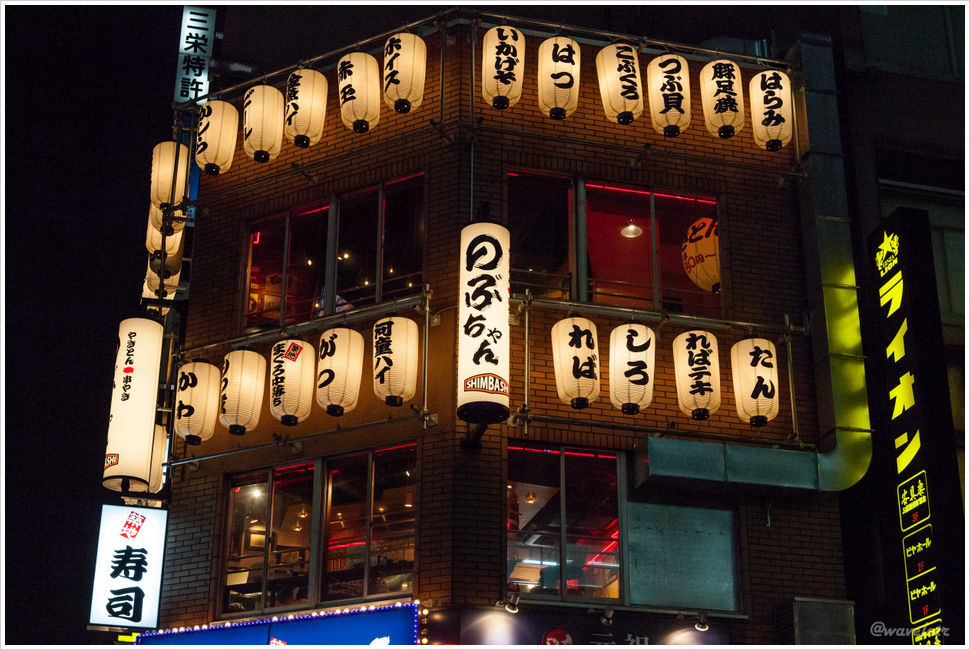
We arrived in Tokyo at Sunday night (4/25). I woke up at 4AM in the morning the next day and couldn’t get to sleep any longer, so I decided to have a morning walk around the city. Our hotel is only 5-minute-walk to Ginza (银座). With the reputation of one of the most expensive districts in the world, Ginza failed to impresse me. However, I was surprised by the density of restaurants in the area. Every block, every corner, under the bridge, in the subway station, next to the most high-end store or in the 3-feet-wide alley, they are everywhere. Many multi-level buildings are all taken by restaurants. When you have too many choices, it’s actually harder to make decision. Luckily, my sister has a friend who helped us out in Tokyo. We went to almost every restaurants he suggested.
The plenty of restaurants is the direct result of Japanese’ work culture. I never saw these many of people on the street at 10PM in a workday. It’s a norm in Japan for men to work overtime everyday to at least 7PM and then have dinner together with their coworkers after work. They may go back to work till midnight. While humble and quite in the day, they crowd every restaurants, drinking, smoking and talking loudly at night. I’ve heard that wives in Japan would look down their husbands if they get home early, now I know it must be true.
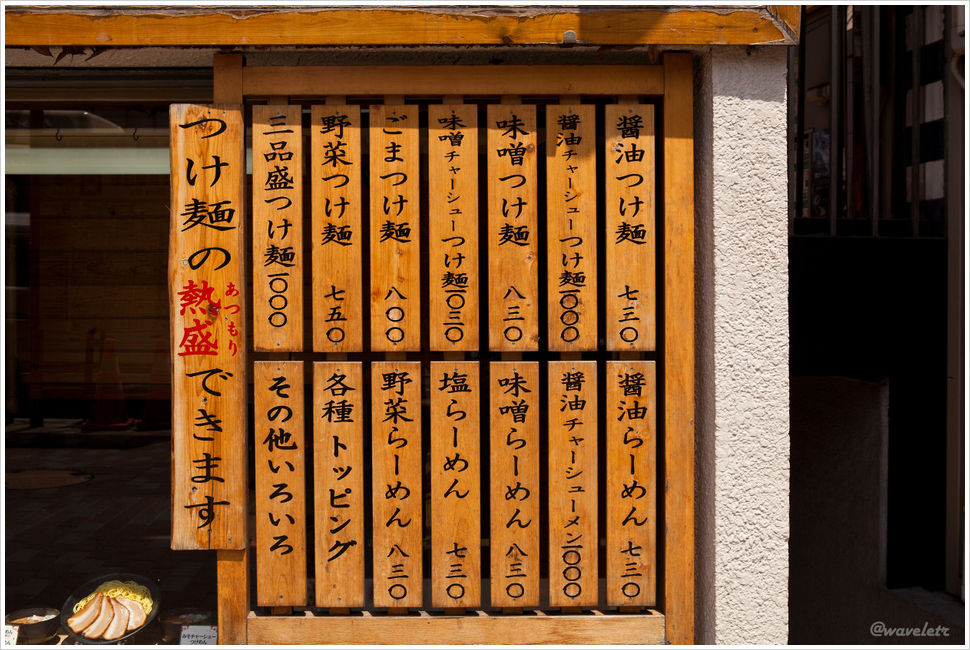
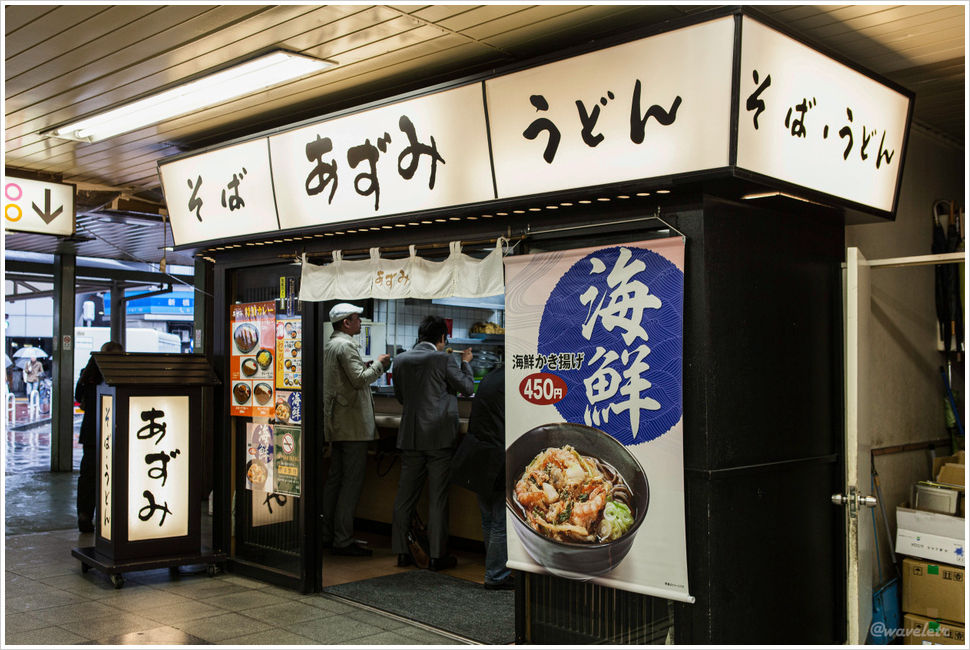
On one hand this is the time that working men can finally relax; on the other hand it shows how much pressure they carry everyday. It’s not unusual to see people having dinner alone in the restaurants, sometimes still working on their jobs. There are small noodle houses that provide no seat at all, so people in a hurry just stand there, finish their bowls and leave. A lot of people fall sleep in the subway while the train take them home at the midnight. This work culture and long commute time effectively cut their connections with the family. It makes a distinct comparison to American working styles.
东京
Restaurant under railway overpassRestaurant in the small allyRestaurant in Shinbashioodle House with no Seat in Shinbashi Station
京都
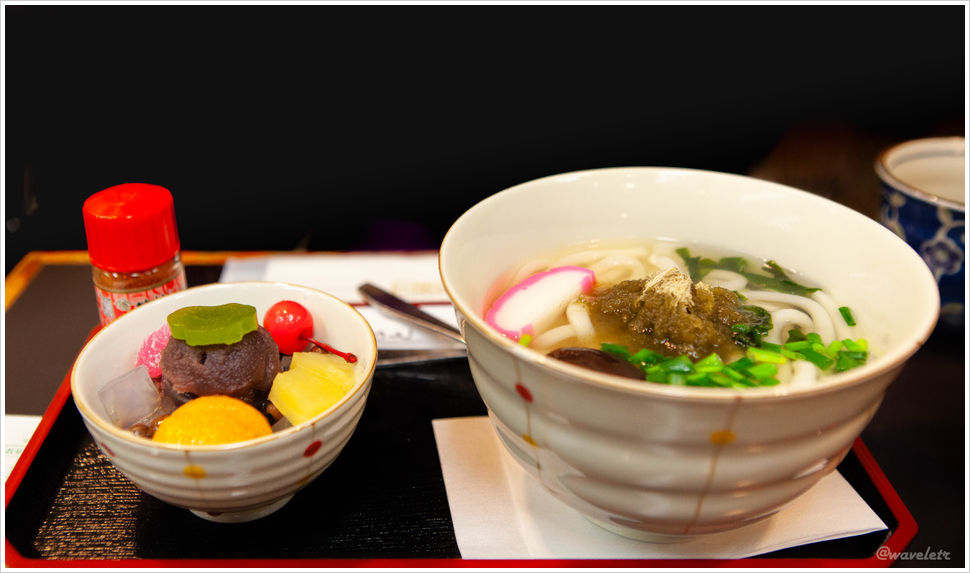
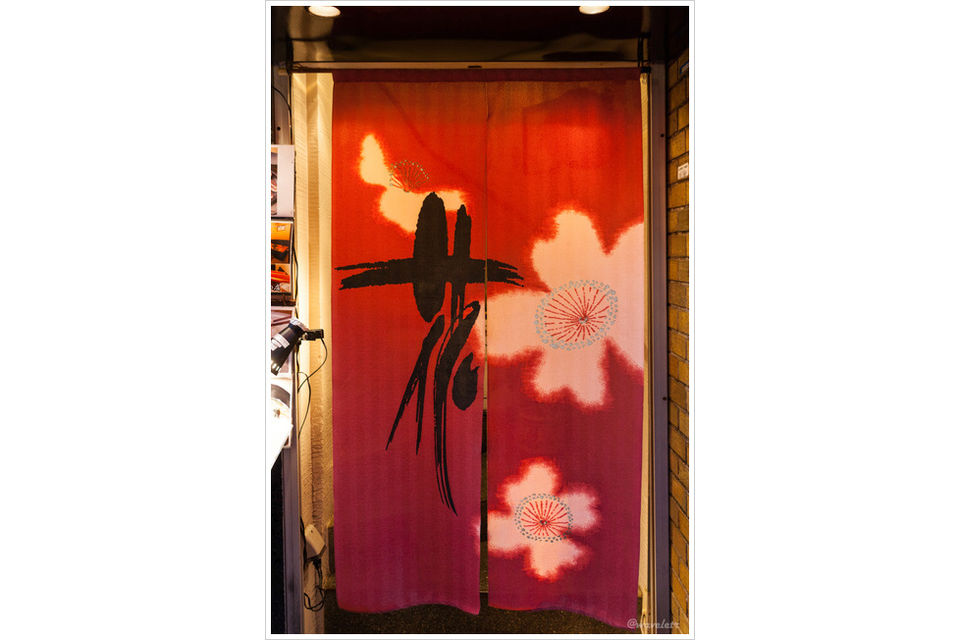
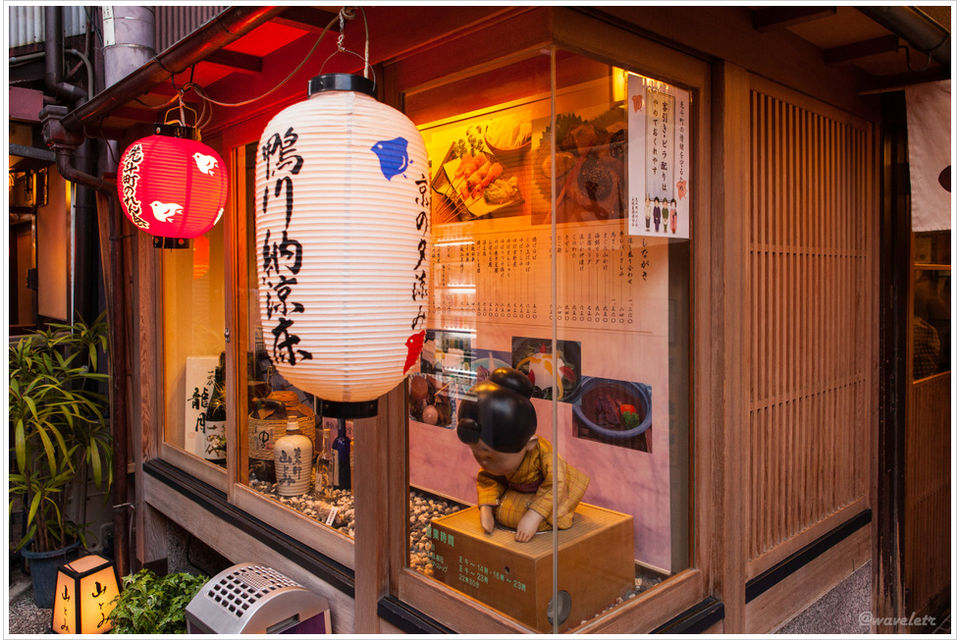
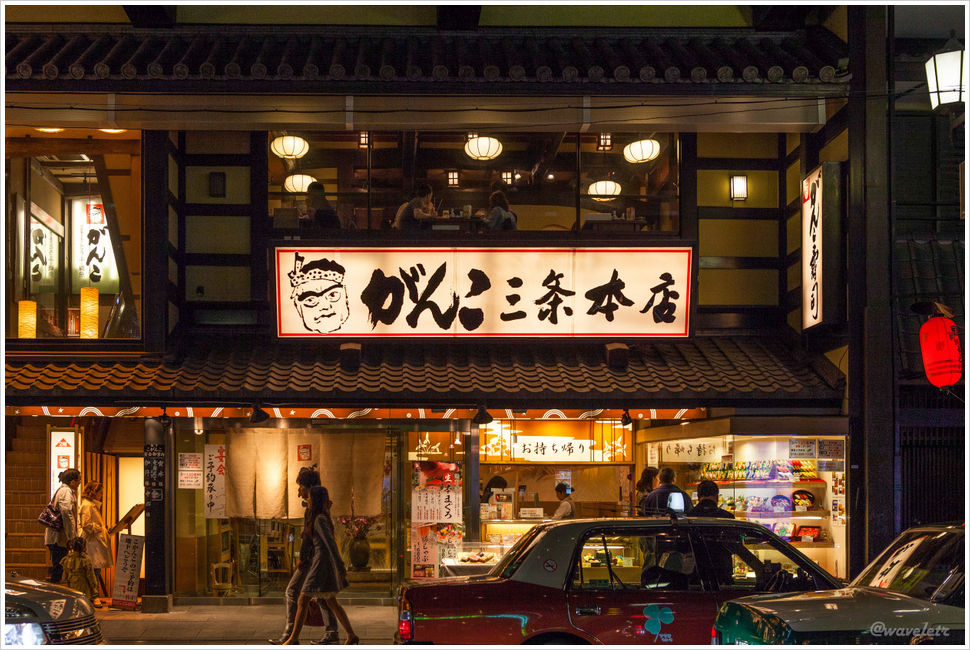
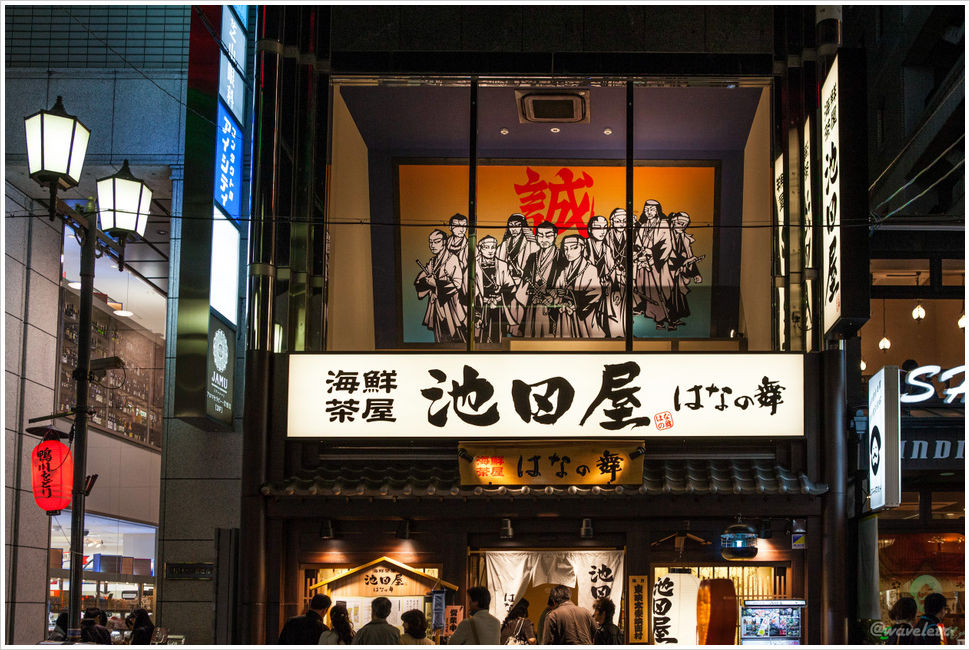
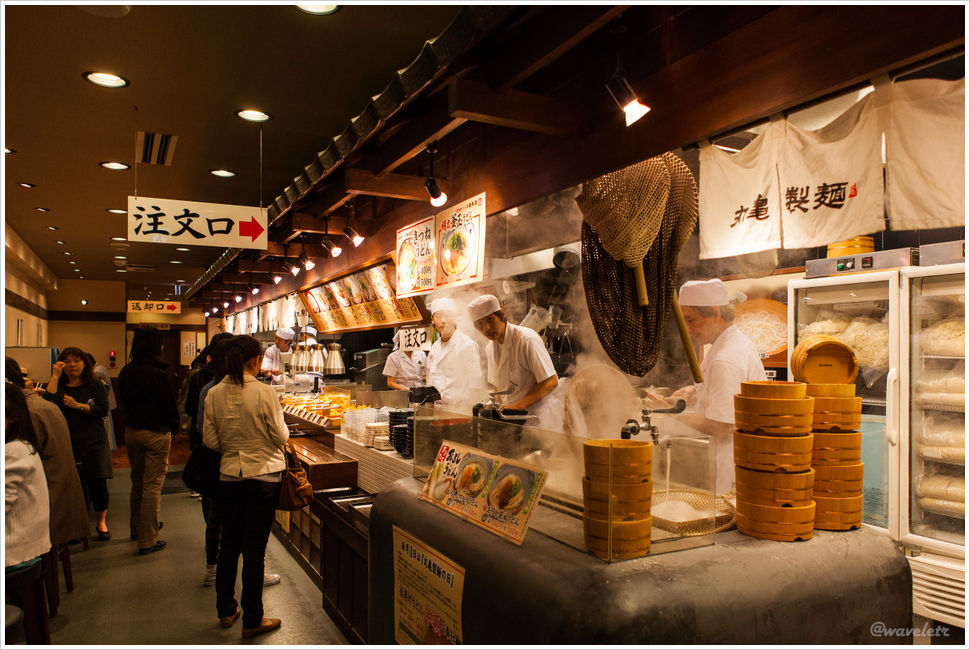
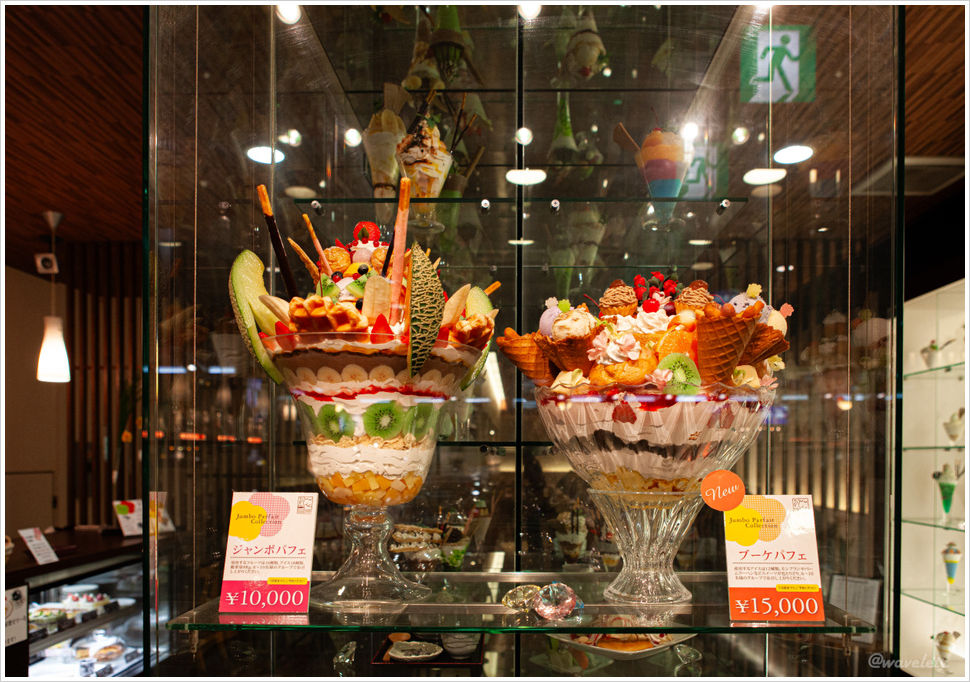
Restaurant in PontochoRestaurant in PontochoRestaurant at SanjoRestaurant at SanjoInside a Udonn Noodle House in KyotoHuge Ice Cream Display in Restaurant in Kyoto
It’s our last day in Sydney. At the morning, I had a walk in the Royal Botanic Garden in the area we didn’t visited last time. The garden is very big with a lot of exotic plants, and it’s free. I was frightened when I stepped into one corner of the garden. Hundreds of Flying Foxes hanging on the tree. They are the largest bats in the world. Although they are necessary for spreading seeds for plants, many palm trees have been destroyed by these over-populated bats. The Garden is planing to use noise disturbance to drive them away.
Half of the garden was blocked to prepare for the New Year Eve event. At 10AM, a lot of people have already waiting there in order to get the best spots. Too bad the following video is not shot by us, but the video is a good way to conclude my travel log of Sydney trip.
We took the Essential Tour to get into the Opera House. Besides showing music halls and different function rooms, the tour also focused on the story of the designer, Jorn Utzon, his creation, resignation and re-engagement.
Left: Concert Hall Back Right: The Utzon Room
The Three Sisters
Demon\'s Leap
2-hour train took us to the rural side of Sydney. Blue Mountains is one of the nearest national parks to Sydney. The best-known landmark of the region is the Three Sisters. Compared to the national parks in North America, Blue Mountains is less impressive in terms of majesty. It is a good recreation area for families.
Train Station
Top Left: The Three Sisters Bottom Left: Leura Train Station Right: Demon’s Leap
We took bus to the Darling Harbour and visited Sydney Aquarium. If you have visited some newly built aquariums, such as the one in California Academy of Sciences, Sydney Aquarium is not worth seeing.
Darling Harbour
Darling Harbour
City Centre
Galleries Victoria
Monorail took us to the city center. The Galeries Victoria has a wonderful bookstore, Kinokuniya, and some asian restaurants and stores.
Dumpling Restaurant
The most tasty dinner we had in Sydney.
Hyde Park
Hyde Park was named after its London equivalent. Right next to the city center, the park is a quite and ideal place to have a after dinner stroll.
Harbour Bridge and Opera House
Overlook the Harbour Bridge and the Opera House across Farm Cove.
The first fleet arrived The Rocks in 1788. It is where the modern Australia starts. Today, The Rocks is packed with boutique stores, restaurants and galleries. The weekend market is held under a canopy.
Harbour Bridge climbers: I’m sure it would be a totally different experience, but the weather was not very good and it doesn’t allow you to bring your own camera, so we decided not to go. The Sydney Harbour Bridge is the tallest steel arch bridge in the world.
Opera House from Ferry
We took ferry to the Taronga Zoo. It’s only a 10-minute ride, and it’s the only chance that I could take pictures of the front of the Opera House.
Emu and Walleby
Koala
In the Zoo.
Left: A Koala is awaken and ready to do some excercise.
Right: An Emu is chasing a …, wait, is it a Kangaroo, or a Wallaby, or a Wallaroo?