Egypt – Start

2010.10.2~3In hindsight, the trip plan was a bit aggressive – in total we flew 13 times in 16 days. We went to two continents, camped in the desert, strolled along the Nile River and lodged on the clifftop by the Aegean Sea. Maybe the only thing I wanted to see but had to skip is Meteora in Greece. Other than that, we felt pleased and, in fact, honored to see all the wonders in these two countries of the longest human history and the greatest civilizations.

The trip started on Oct. 2nd. We left San Francisco at noon. It’s Lufthansa Airline but operated by United. Because it’s an international flight. United “generously” provided one meal and one snack on the 10-hour flight. There were 5-hour connection time at Frankfurt so we had a lunch in the airport. The food was nice, but the exchange rate was outrageous, €1 = $1.68.

Frankfurt Airport
Frankfurt Airport
Lunch at Frankfurt Airport

When we arrived in Cairo, it’s already Sunday night. Before we stepped out of the airport, we already started experiencing Egyptian’s “hospitality”. A man in the official(?) airport booth offered us the price of 150 Egyptian pounds to the hotel, which should only cost 50 pounds. Out of the airport, we were approached by a young man who claimed he had a taxi. With no white or black taxi in sight, we decided to go with him. We ended up paying him more because he told us an extra 10-pound was needed to use the toll road, which he didn’t take. Any way, it’s late night and we arrived in hotel safely.

The hotel we stay is Safir Hotel at Zamalek. Zamalek is an island in the Nile River. Many foreign embassies resides in this district. It’s a quieter area but by no means up-scale. We got a smaller room in a suite, but we did have a nice view of the Nile.

Overlook the Nile River from the Hotel Room

The best feature of the hotel is its pool. It’s an open area by the river, which offers breezy atmosphere that make you think the tumultuous Cairo is a different world. Every Sunday night, live music is played with traditional instruments, such as Oud.

Live Music in Safir Hotel at Zamalek
0 Comments

Japan – Kyoto – The Heart of Japan

2010.5.1~2

Famous for its refined cuisine, crafts and gardens, Kyoto is considered by many Japanese as where their spiritual hearts reside. The city is not as vigorous as Tokyo or Osaka, the pace is slower and people are dressed less fashionable, but hundreds years of cultural deposition soon reveal their attractiveness once you slow down, lay back and start enjoying the city.

We spent two and half days in Kyoto before leaving for Beijing. We had a wonderful time and loved everything we experienced in Japan. The cultures are somewhat close but sometimes totally different from China. We will definitely come back to visit more places in the future.

We spent two and half days in Kyoto before leaving for Beijing. We had a wonderful time and loved everything we experienced in Japan. The cultures are somewhat close but sometimes totally different from China. We will definitely come back to visit more places in the future.

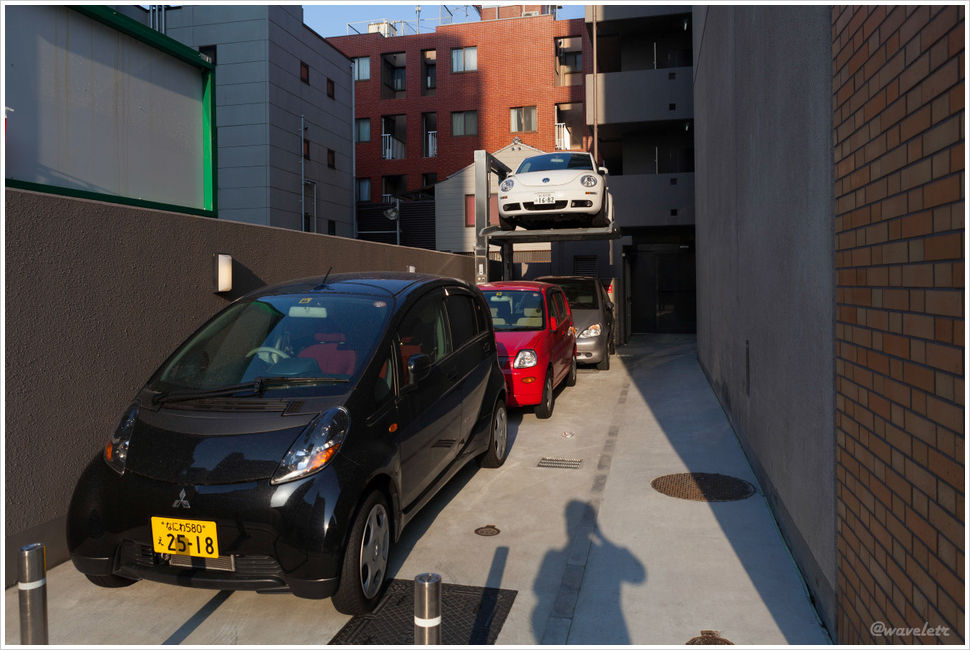
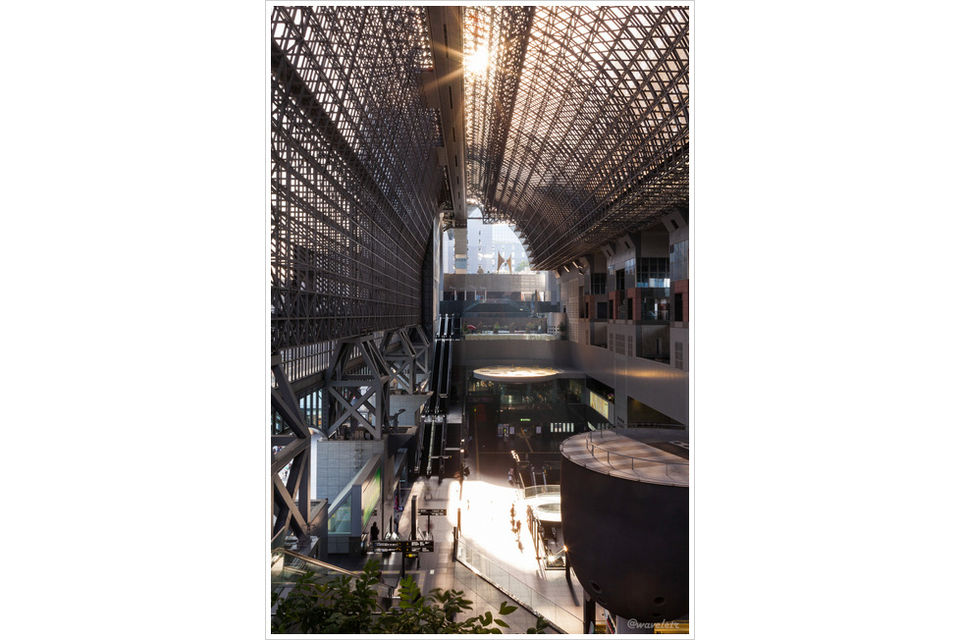
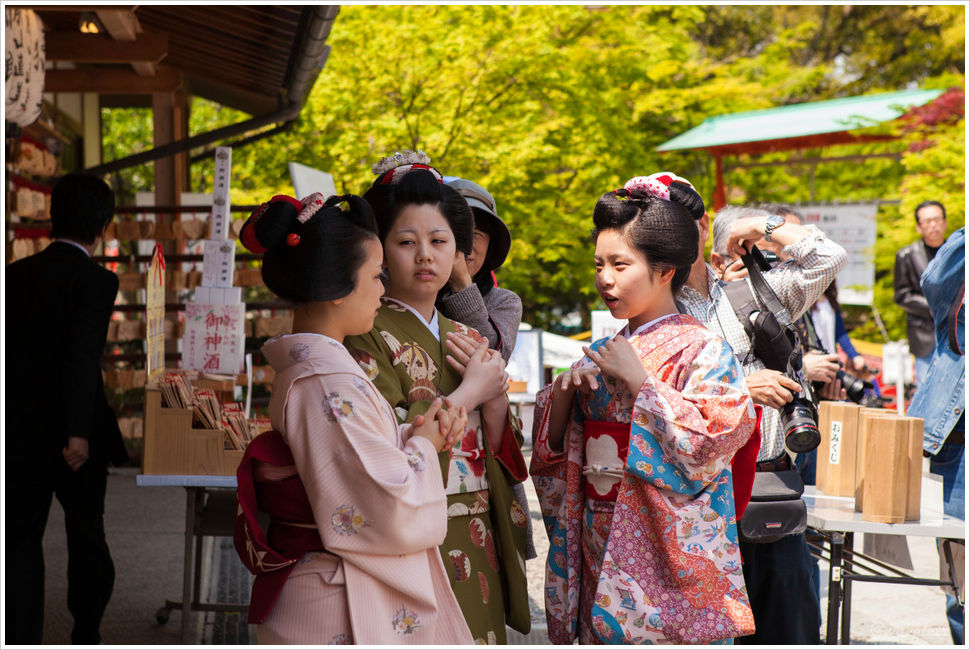
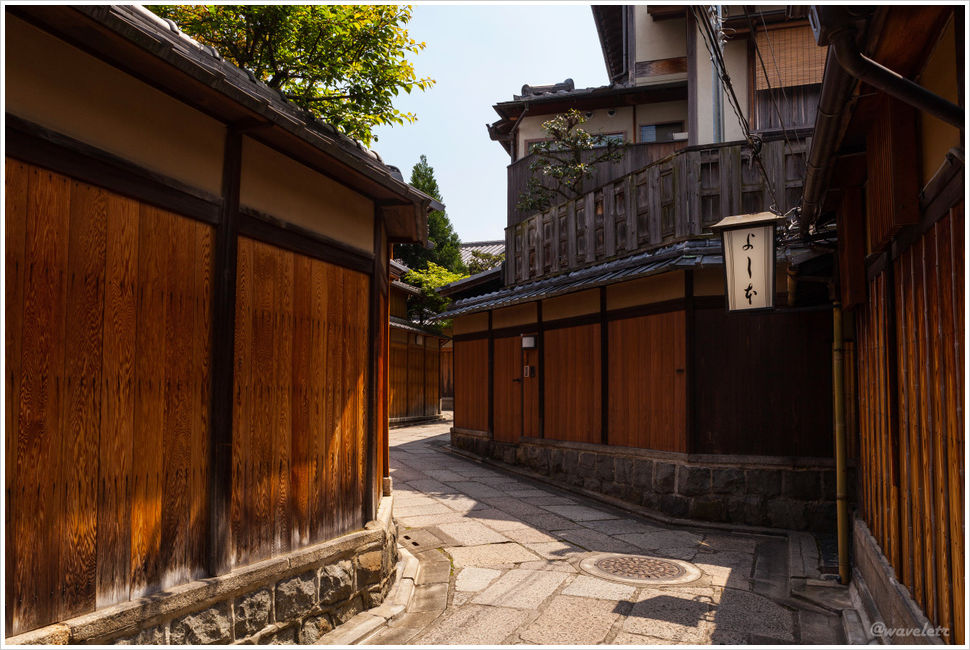
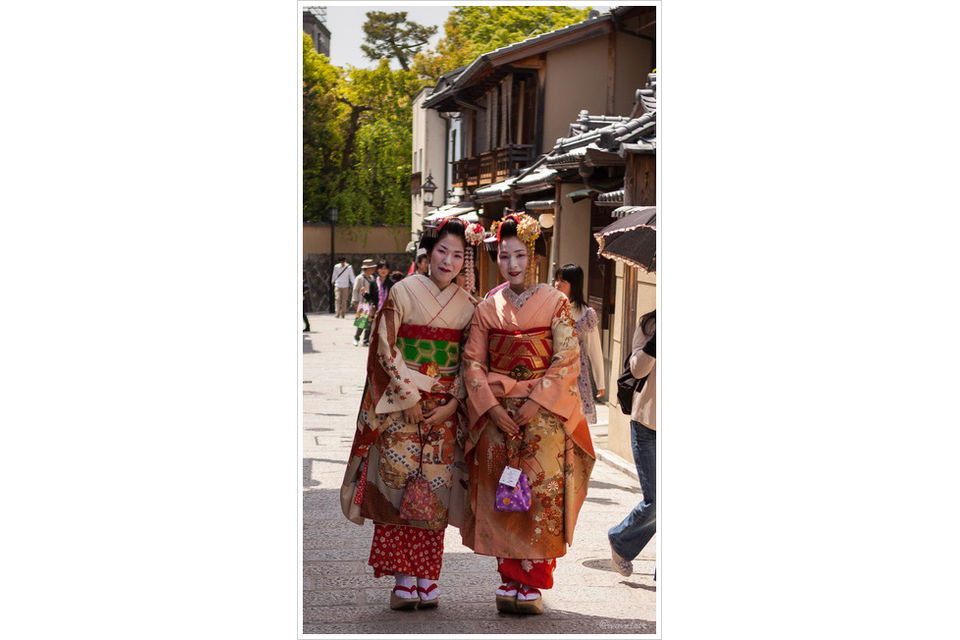
Cars in Stack Kyoto Station Girls wearing Kimono at Yasaka Shrine (八坂神社) Stone-Paved Roads between Yasaka Shrine (八坂神社) and Kiyomizu Temple (清水寺)

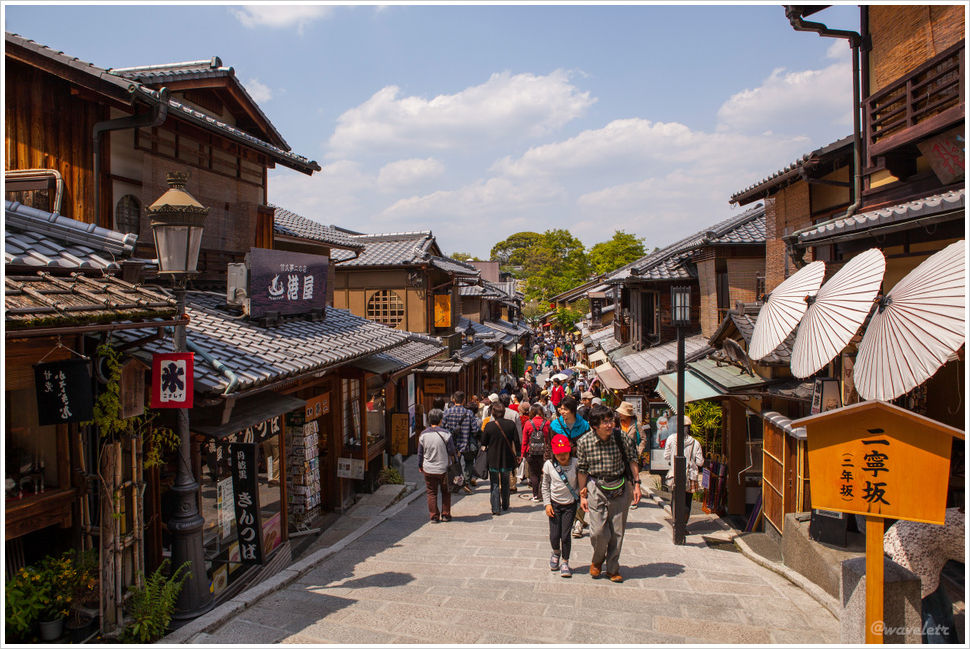
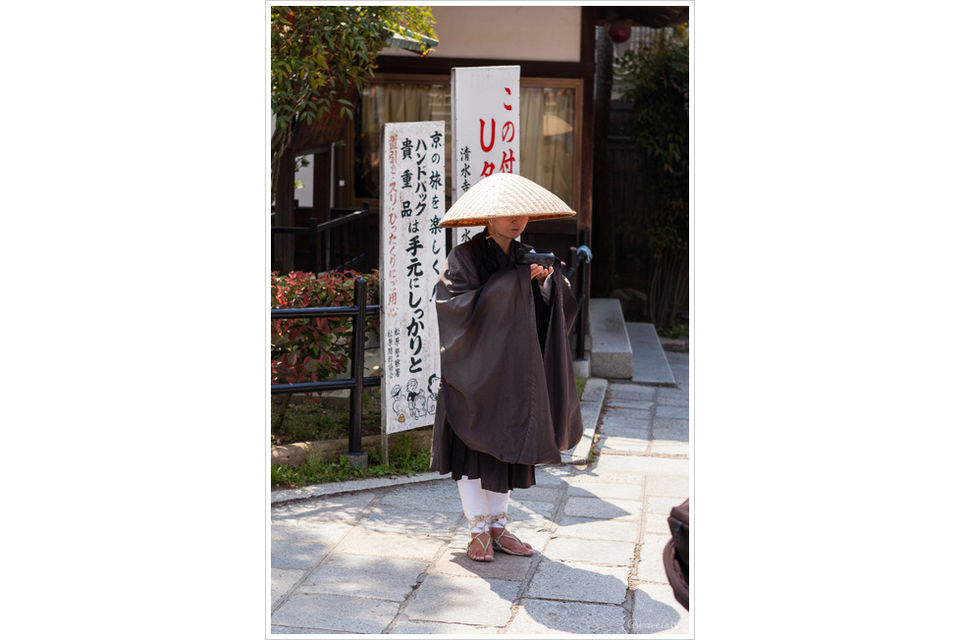
Geisha Stores in Three-Year Slope (三年坂) Two-Year Slope (二年坂) Monk in Kiyomizu Temple (清水寺)

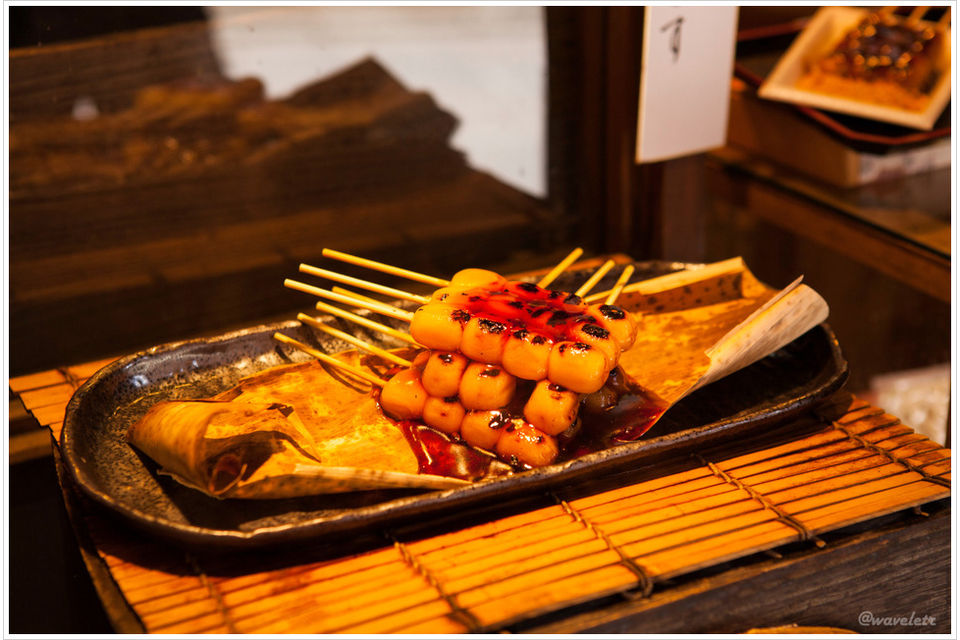
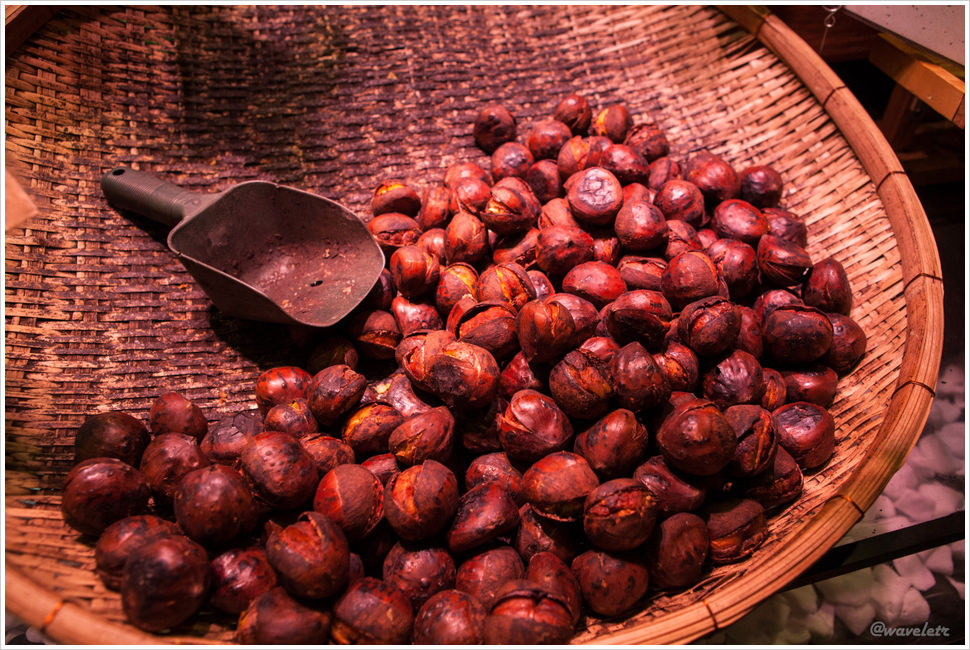
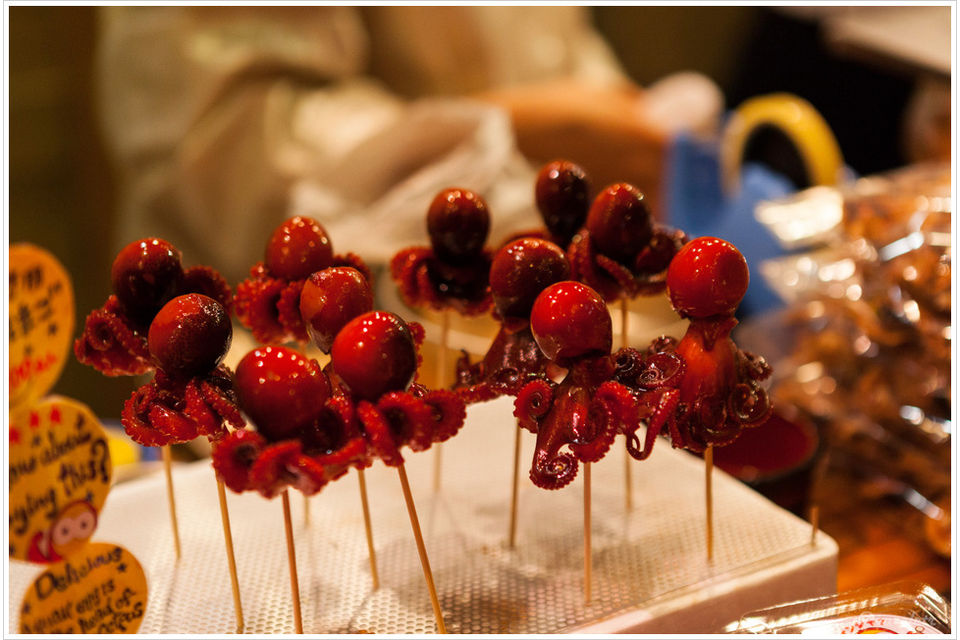
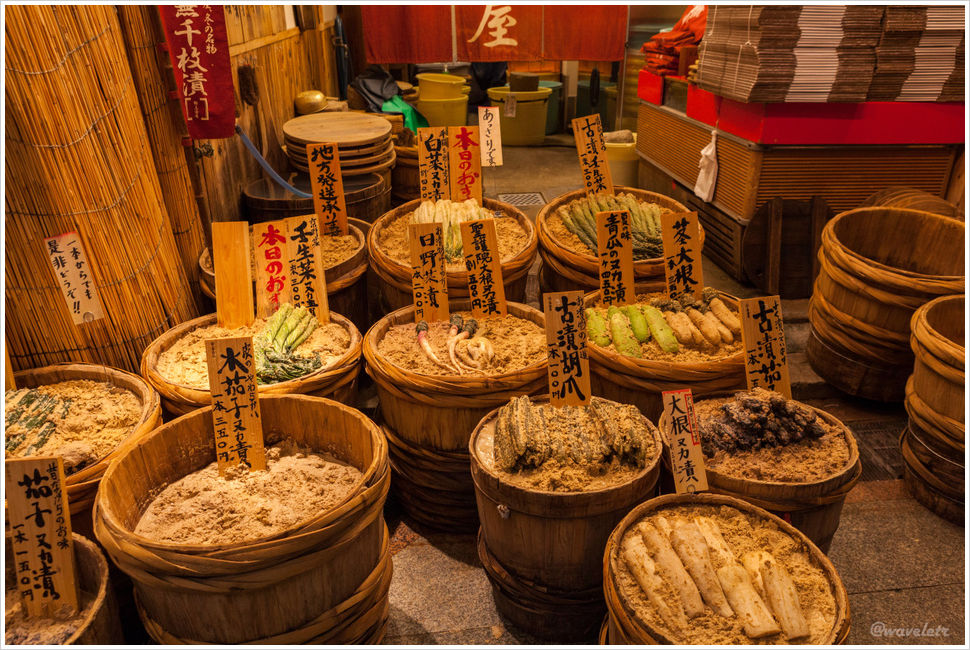
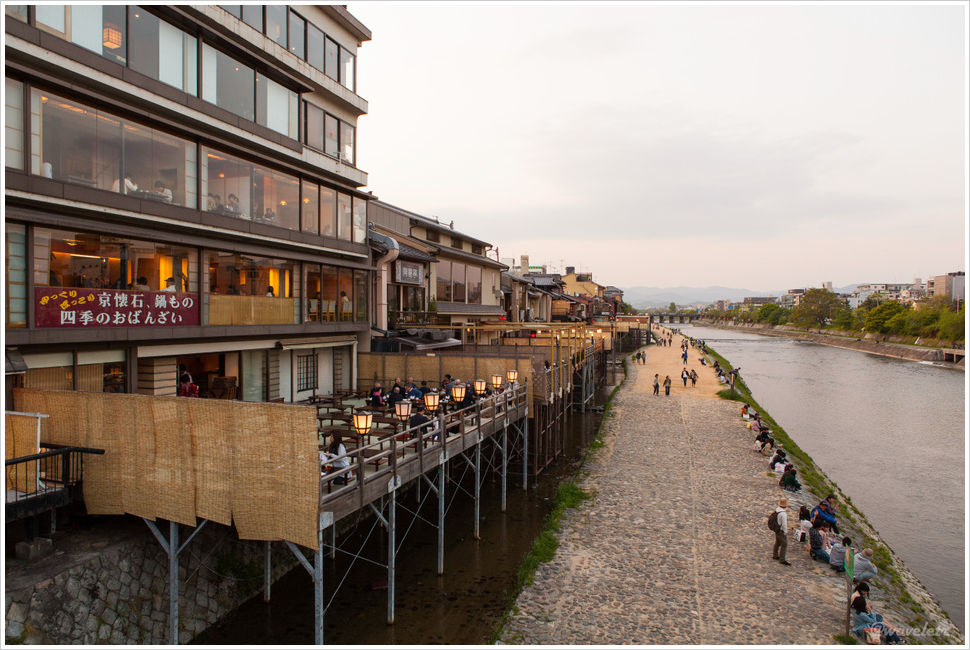
Nishiki Market (锦市场) Nishiki Market (锦市场) Nishiki Market (锦市场) Kamo River (鸭川)

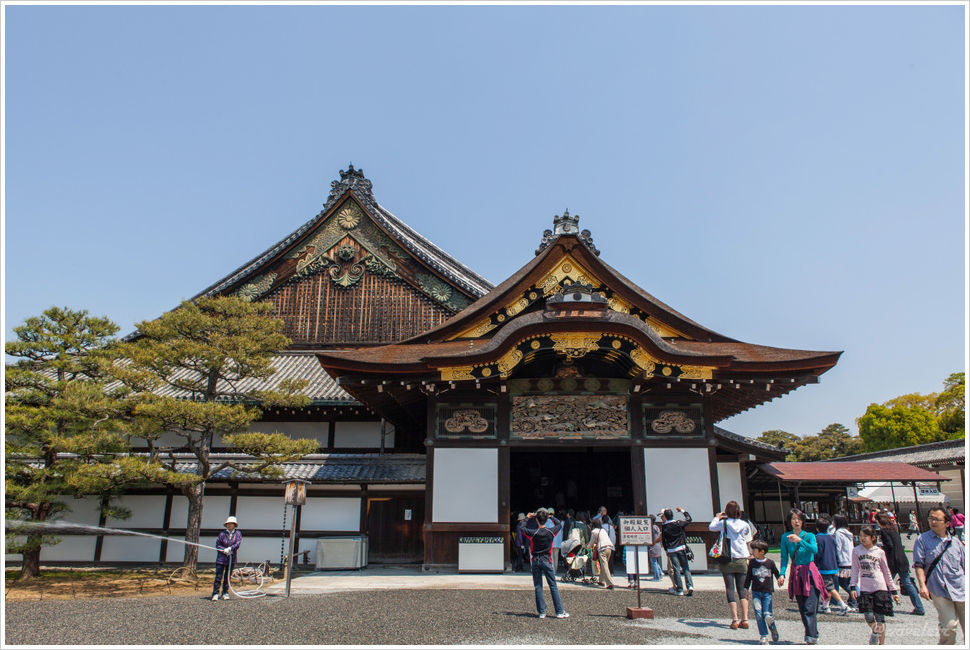
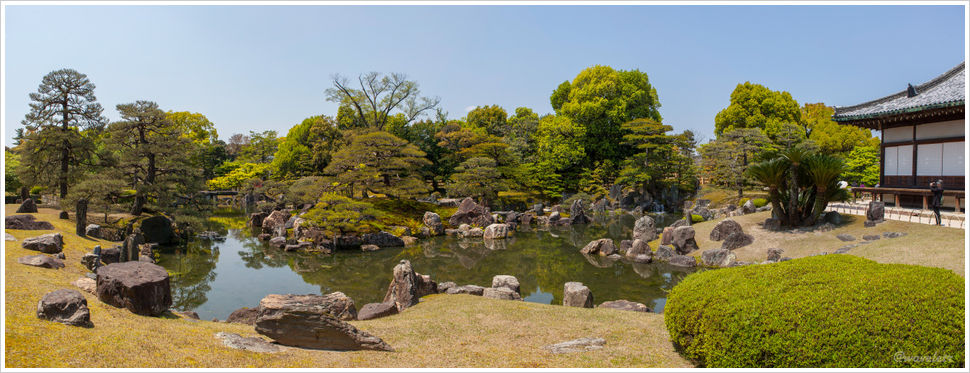
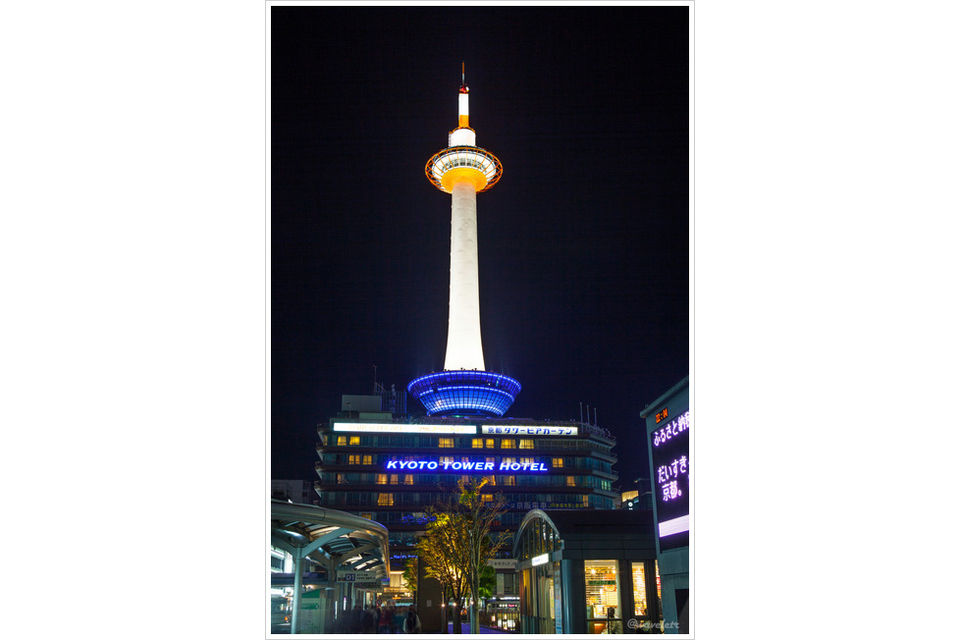
Nijo Castle (二条城) Nijo Castle (二条城) Kyoto Tower

0 Comments

Japan – Hakone

2010.4.29~30

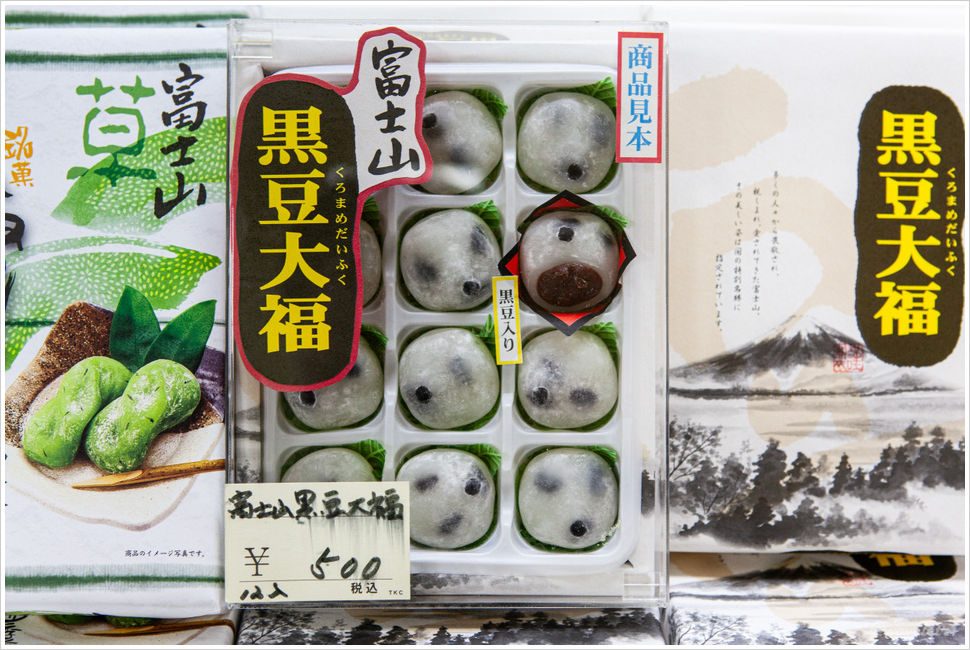
We spent one day at Hakone on our way from Tokyo to Kyoto. Hakone is famous for its hot springs. At Hakone-Yumoto (箱根湯本), hotels are built on the hill along the river, most of them have public bath houses using water from hot springs and provide exquisite Japanese cuisine, normally meal and breakfast are included in the room price (一泊两食).

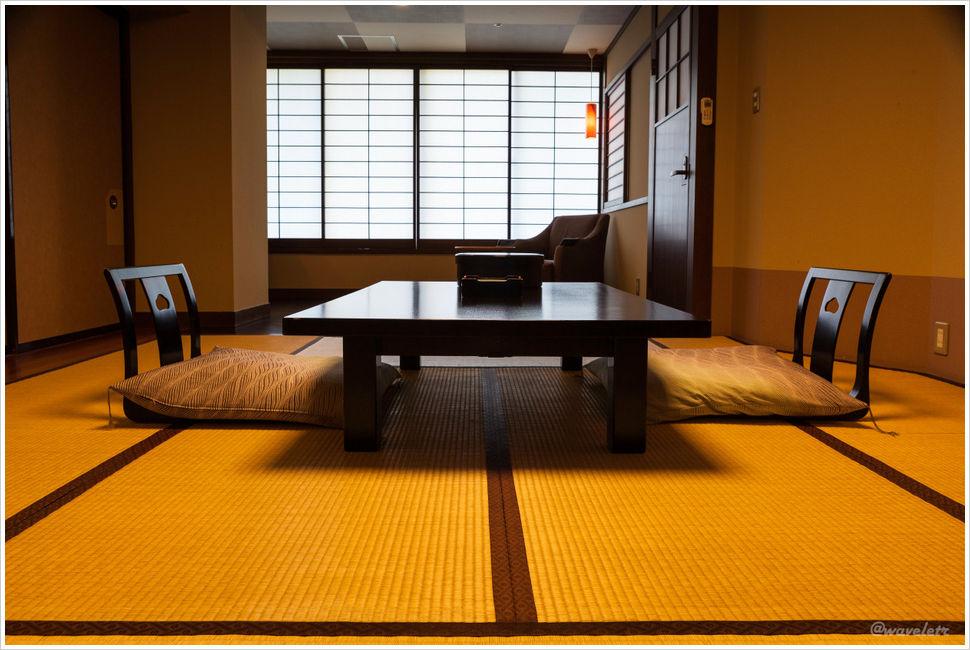
After three-day intensive walking in Tokyo, we decided to slow down and spent the first afternoon in Hakone-Yumoto. At night, we stayed at Hotel Okada. Its facility is relatively new, the service is good, and the food is delicious, good-looking, in small dishes but more than we can eat. We chose the Japanese style room (和室) and slept on the tatami. It’s a new and relaxing experience.

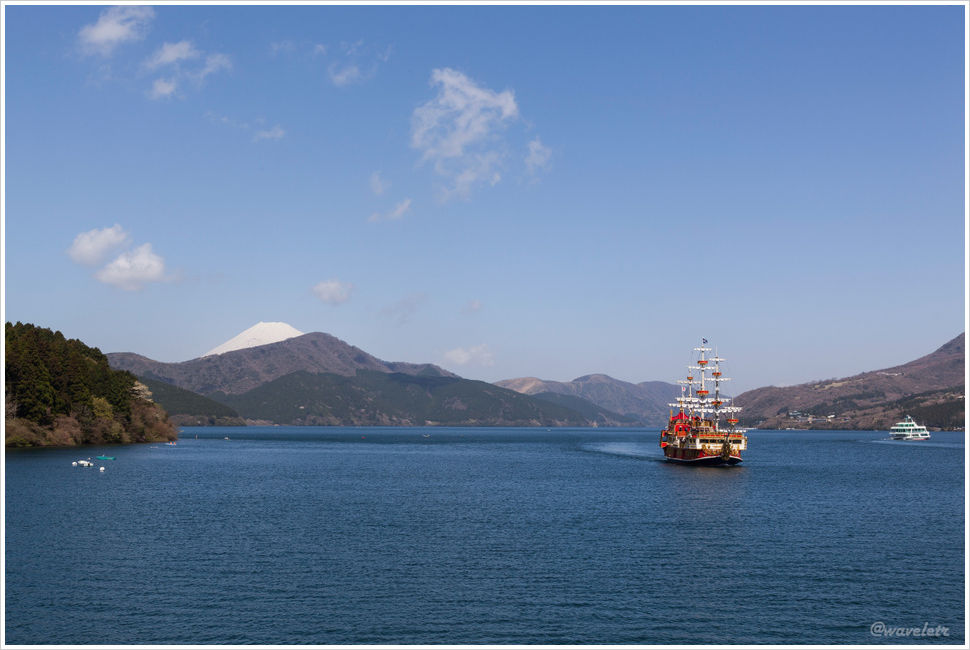
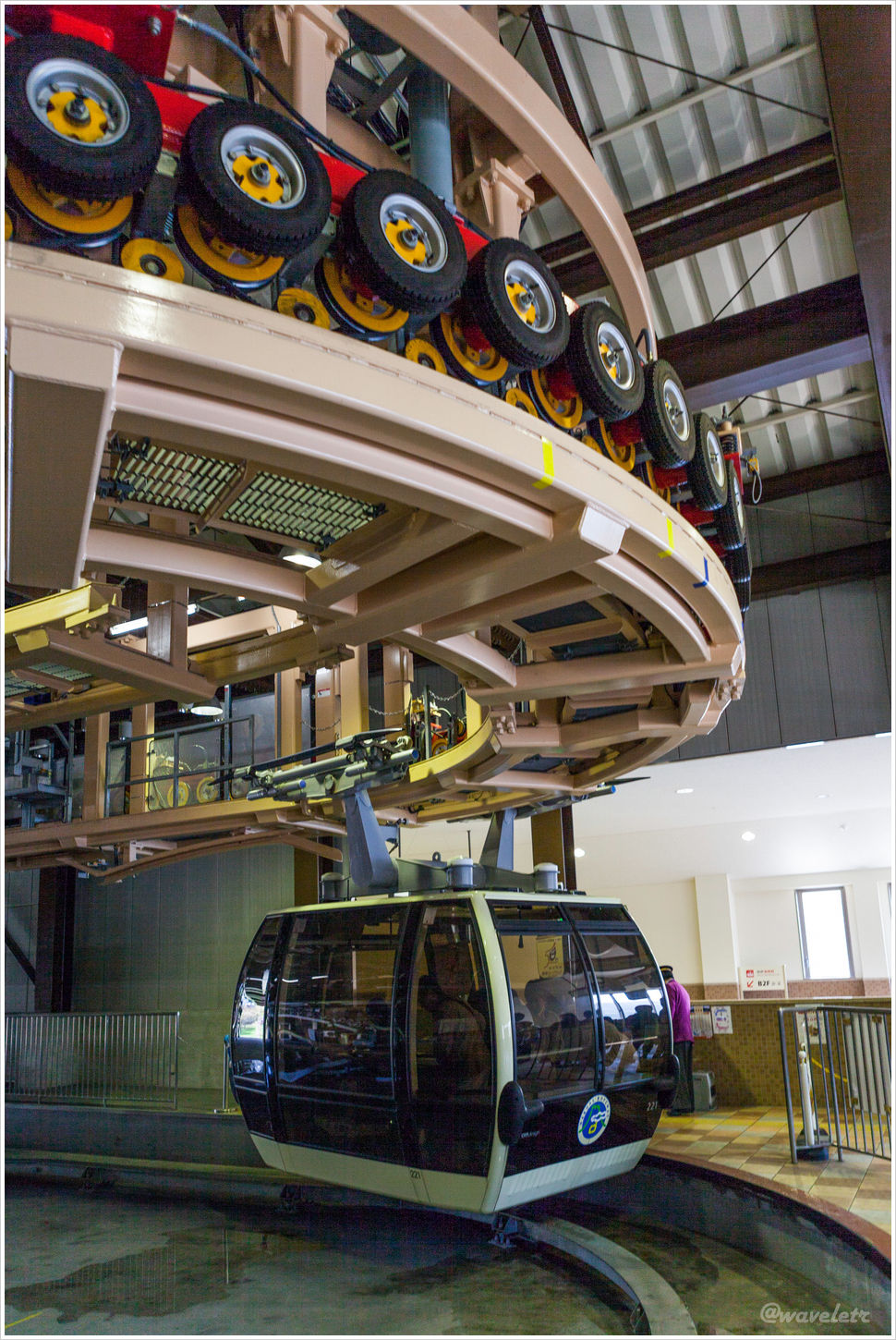
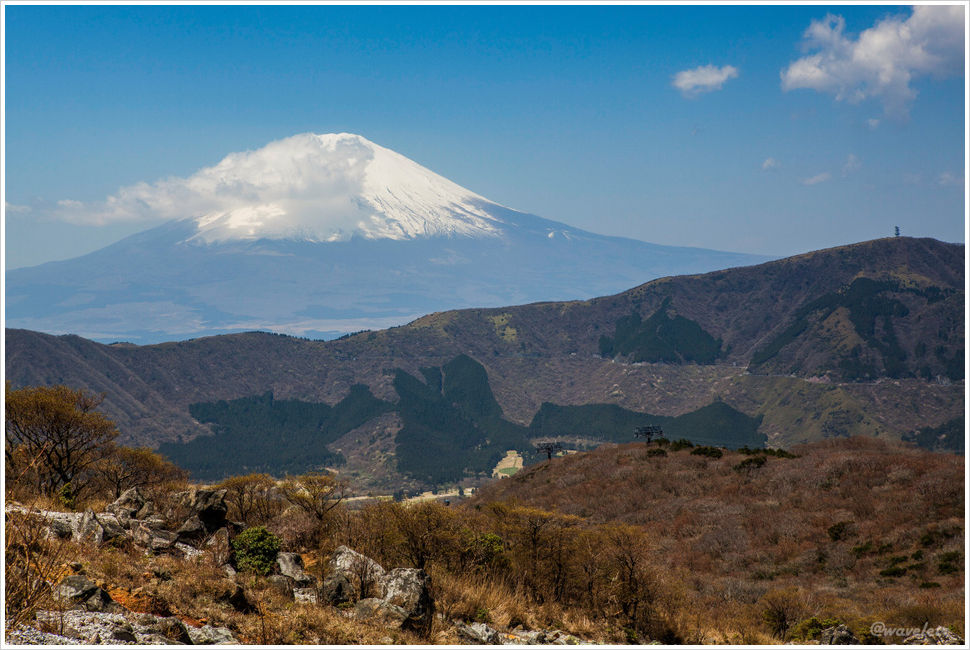
The second day, we took the popular round-trip route to see Hakone area. Along the road, on Lake Ashi (芦ノ湖), Hakone Ropeway and from Owakudani (大涌谷), there are a couple of spots we could see the famous Mt. Fuji. There was a surreal feeling, similar to when we visited Syndey Opera House, something we had seen so many times on calendars from our childhoods, now we stood next to it.

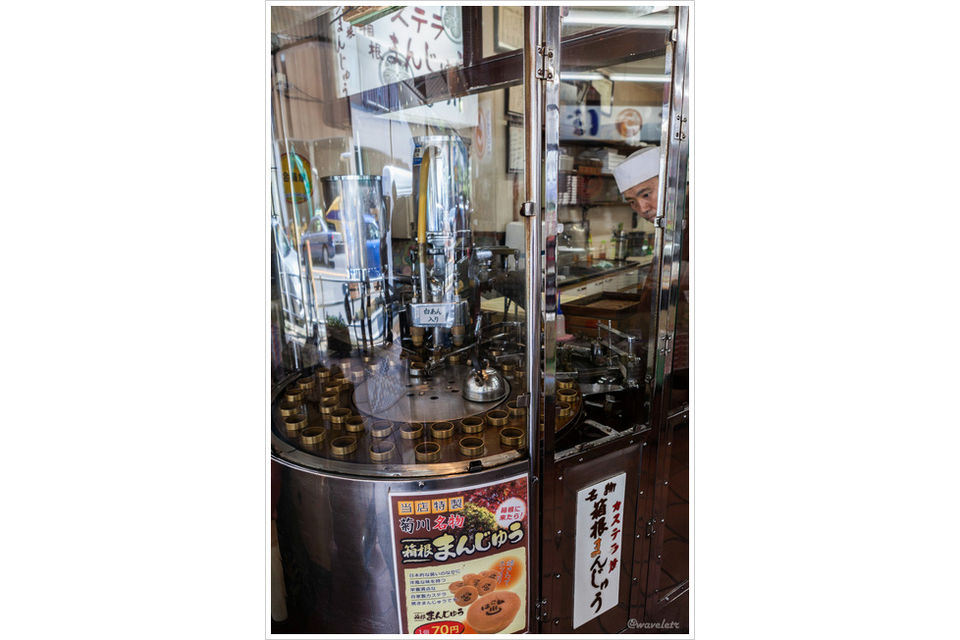
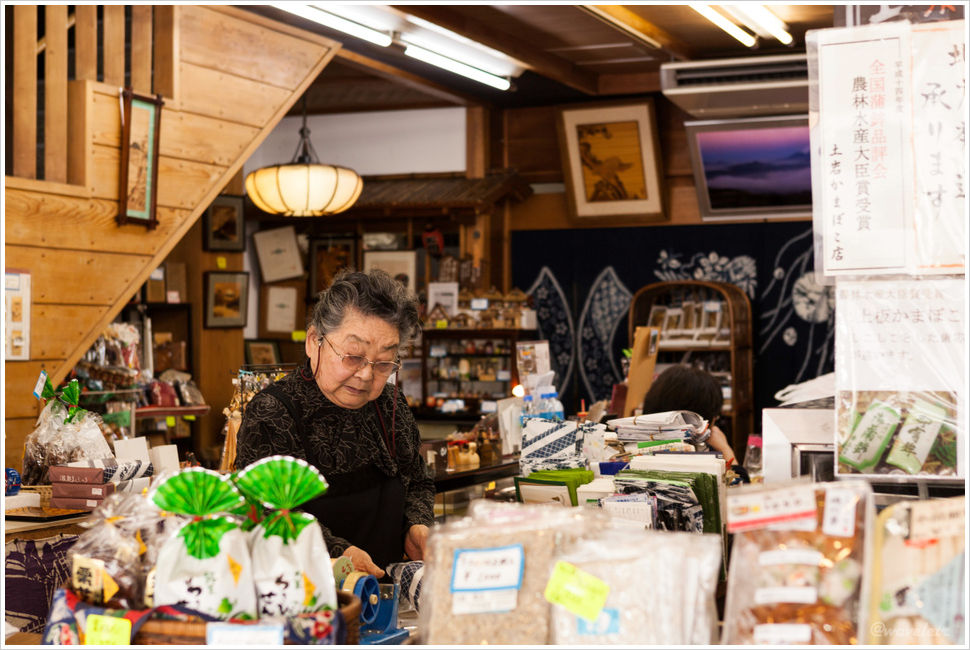
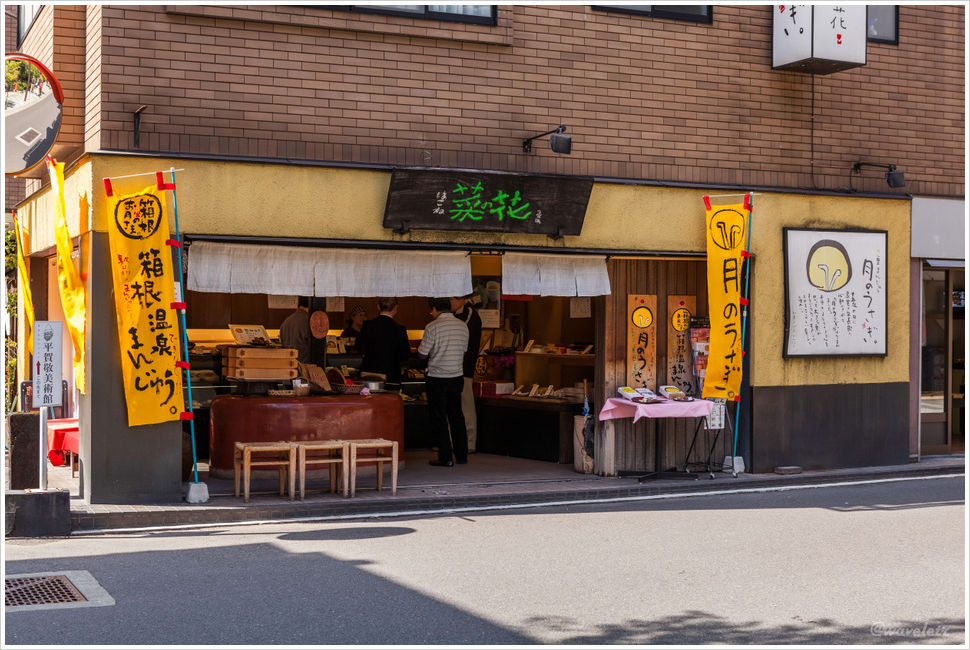
Stores in Hakone-Yumoto

PStores in Hakone-Yumoto (箱根湯本) Stores in Hakone-Yumoto (箱根湯本) Stores in Hakone-Yumoto (箱根湯本) Stores in Hakone-Yumoto (箱根湯本)

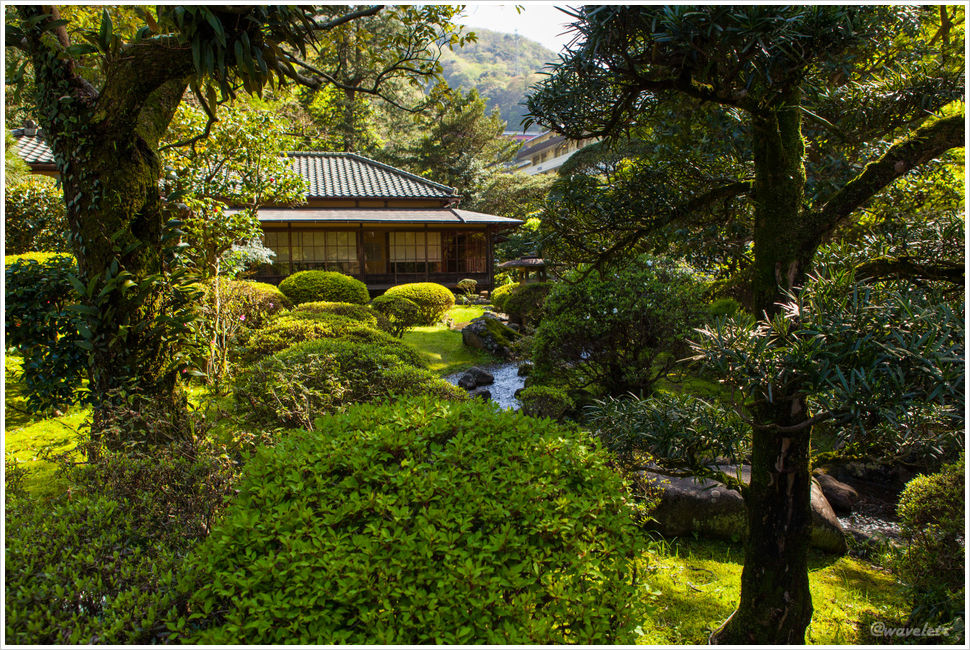
A Japanese Garden in Hakone-Yumoto

A Japanese Garden in Hakone-Yumoto (箱根湯本)

A Japanese Style Room in Hotel Okada

A Japanese Style Room in Hotel Okada

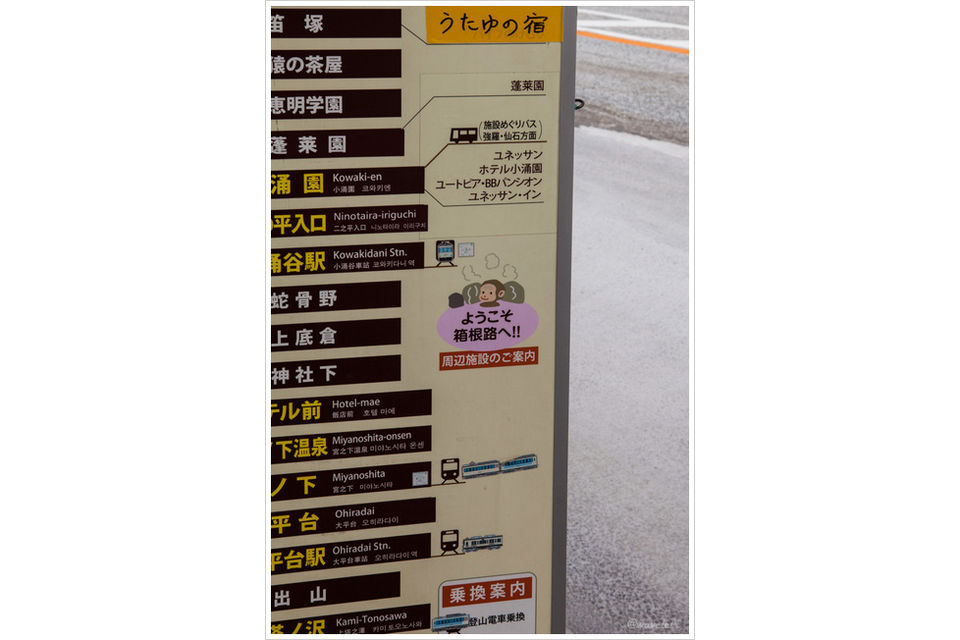
Round-trip Route around Hakone

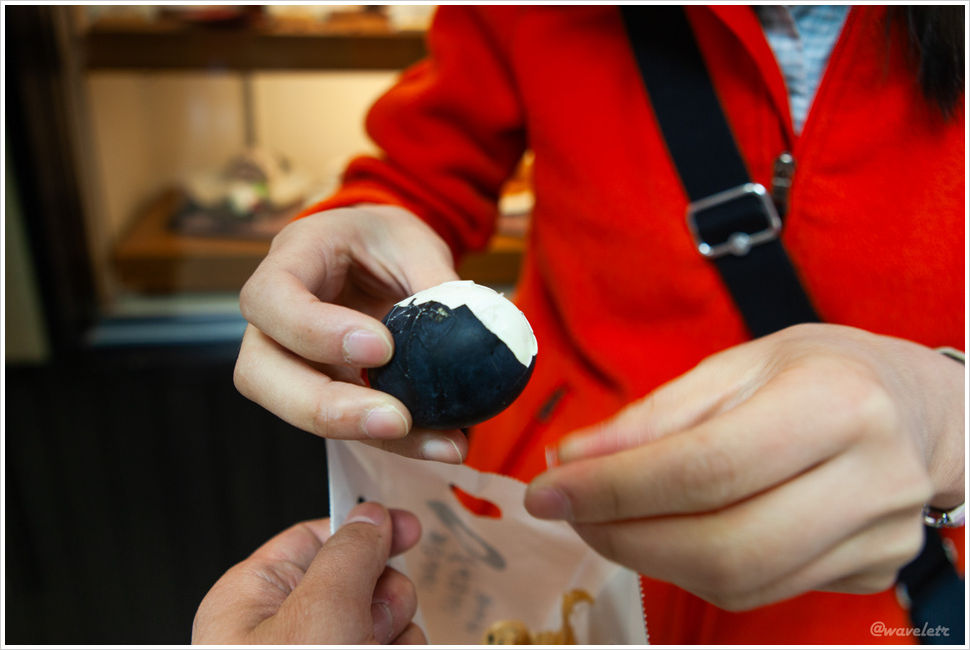
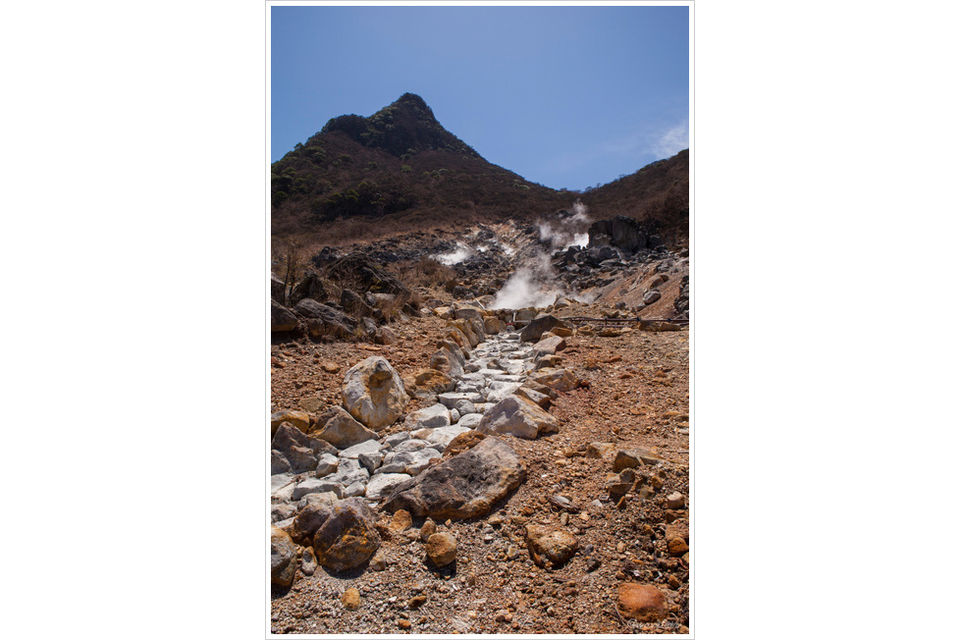
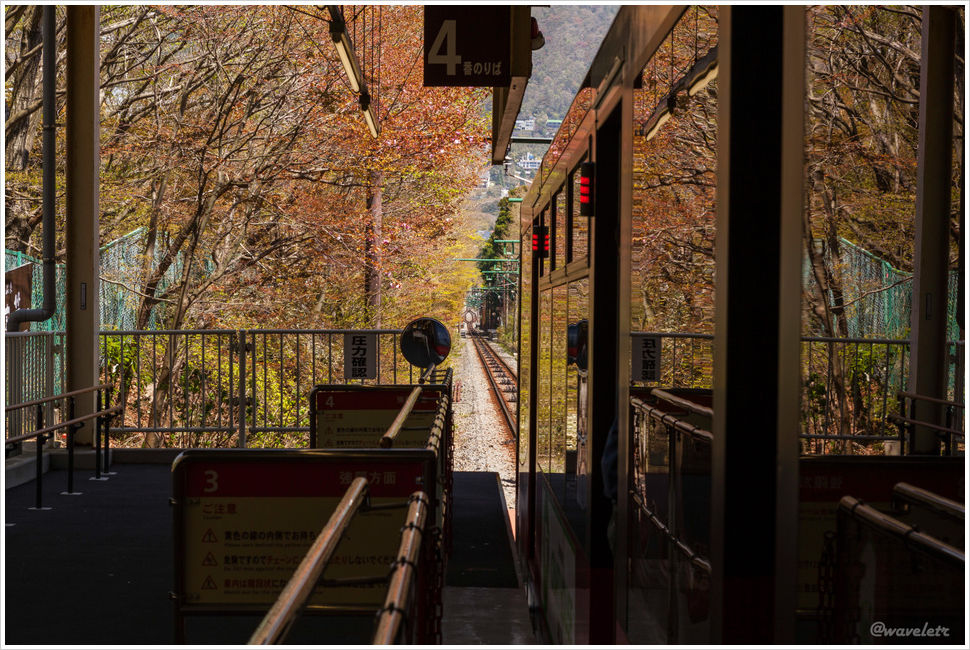
Round-trip Route around Hakone Lake Ashi (芦ノ湖) and Mt. Fuji Hakone Ropeway Stores at Owakudani (大涌谷) Black eggs – still white inside Mt. Fuji from Owakudani (大涌谷) Stream Vents in Owakudani (大涌谷) Hakone Tozan Cablecar

0 Comments

Japan – Tokyo – Lost in Translation

2010.4.25~28

Japan is the first country we visit whose language we don’t understand. Luckily, almost all names of the places, subway stations, streets, stores and restaurants, are written in Chinese characters – Kanji (漢字). It makes our lives a lot of easier in this foreign city. We can instantly recognize and remember them, and most of time we can figure out what they mean. Had them written only in Japanese Characters or English, they would look all similar to us and would be much more difficult to remember.
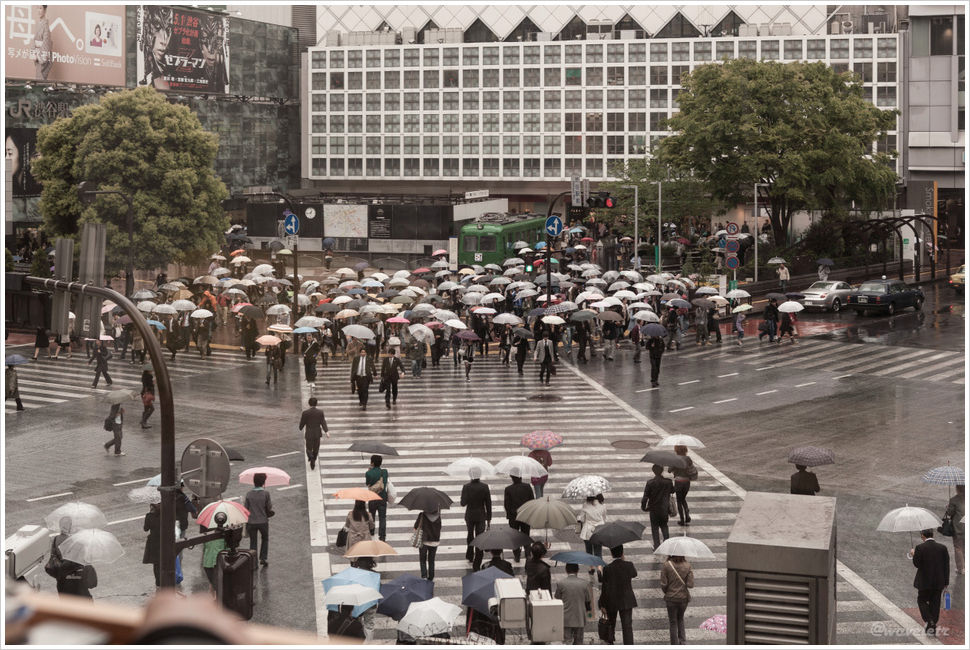
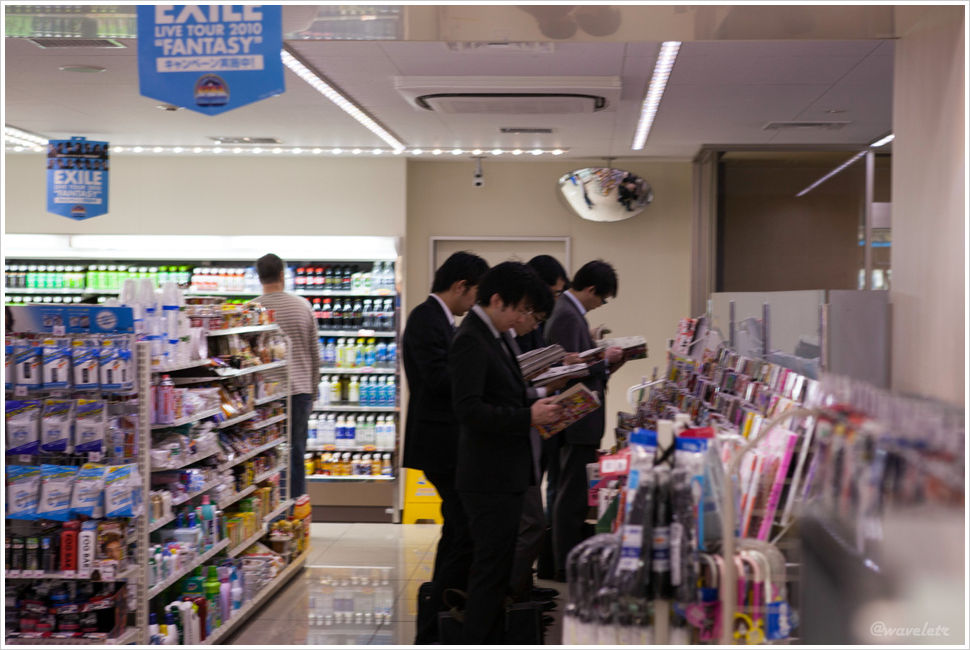
Speaking is a different story. Although the characters are same as Chinese, the pronunciations are totally different. What is interesting is that our appearances are so easy to fit in, so people naturally start speaking Japanese to us, but we don’t know any sentence except “Excuse me” and “Thank you”; on the contrary, some westerns who live in Japan for many years and speak fluent Japanese, but they look so different so people always start talking to them in broken English. If we don’t have a map with us, asking direction is a big challenge; but once we write down the name in Kanji, then we have a common ground.

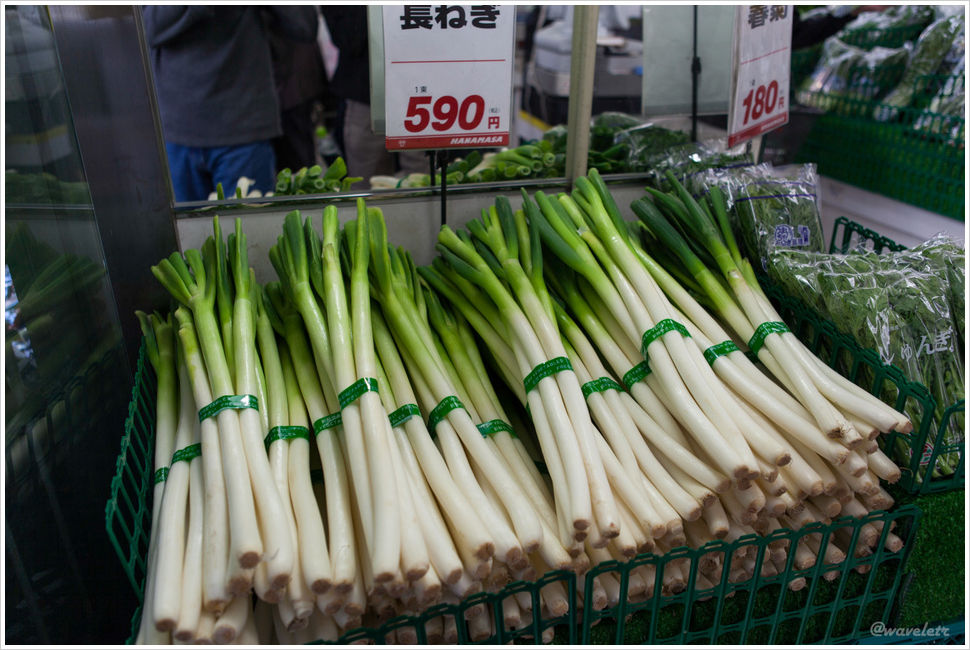
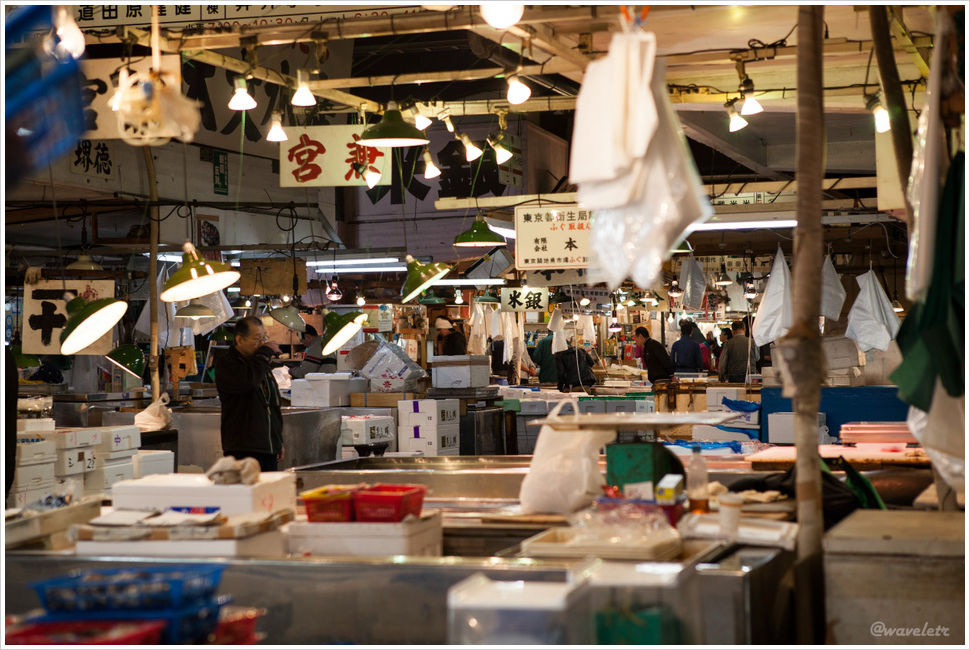
The Busiest Crossroad, from Starbucks in Shibuya (渋谷) Adults in Suit Reading Anime Green Onion, $6 a bunch Tsukiji Fish Market (筑地市场)

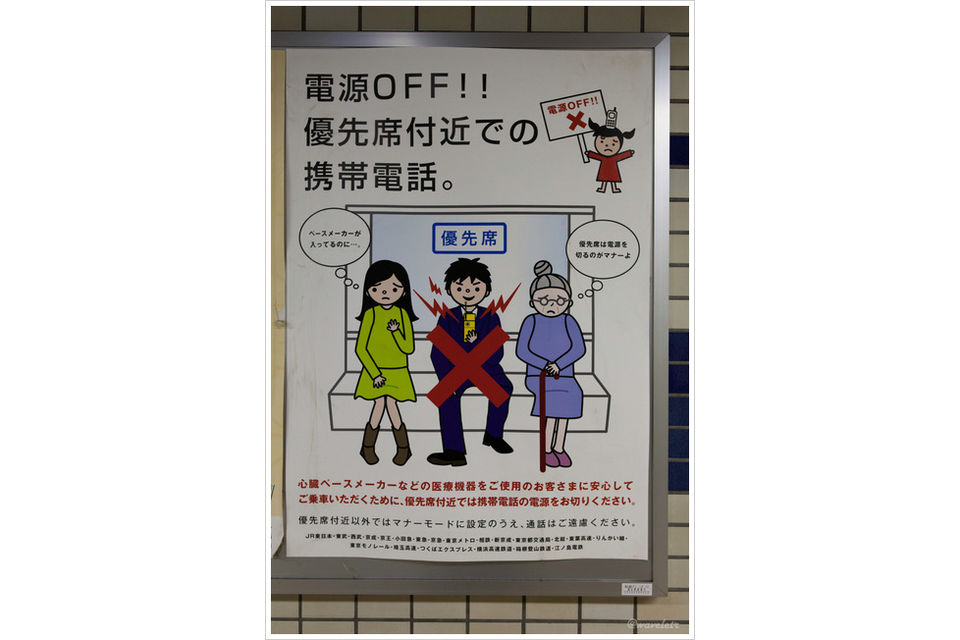
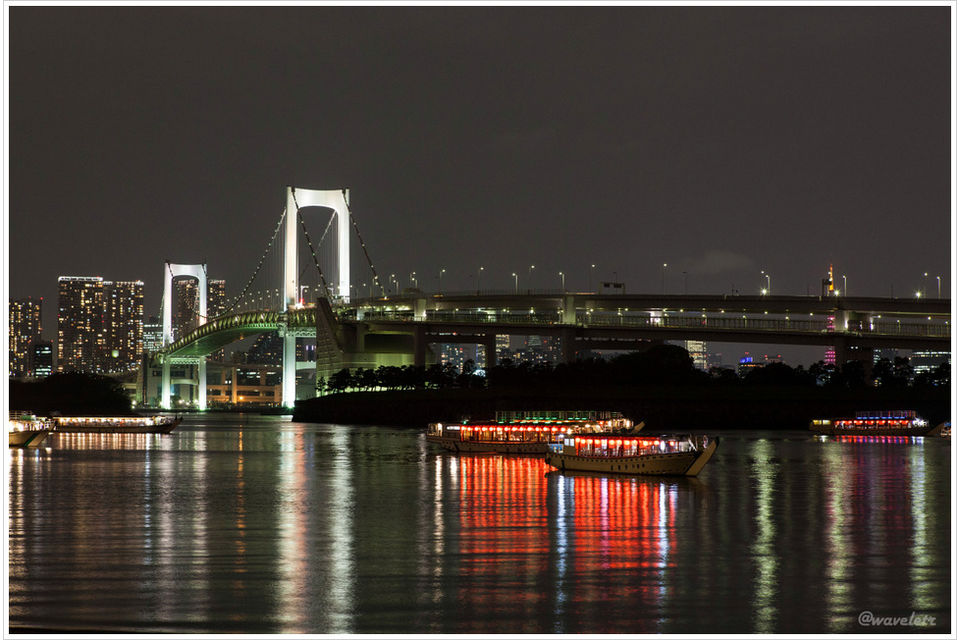
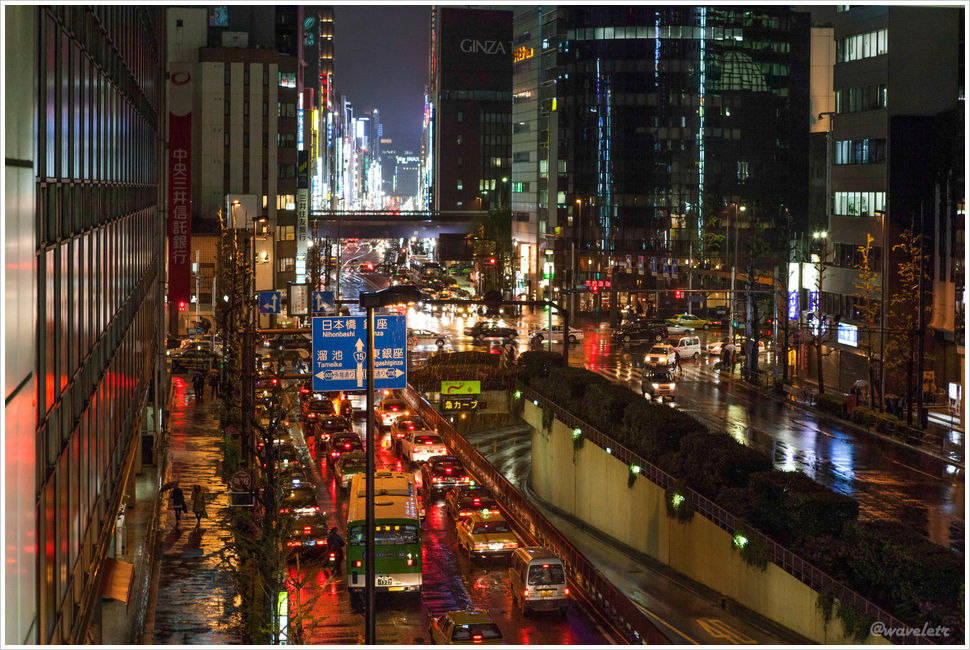
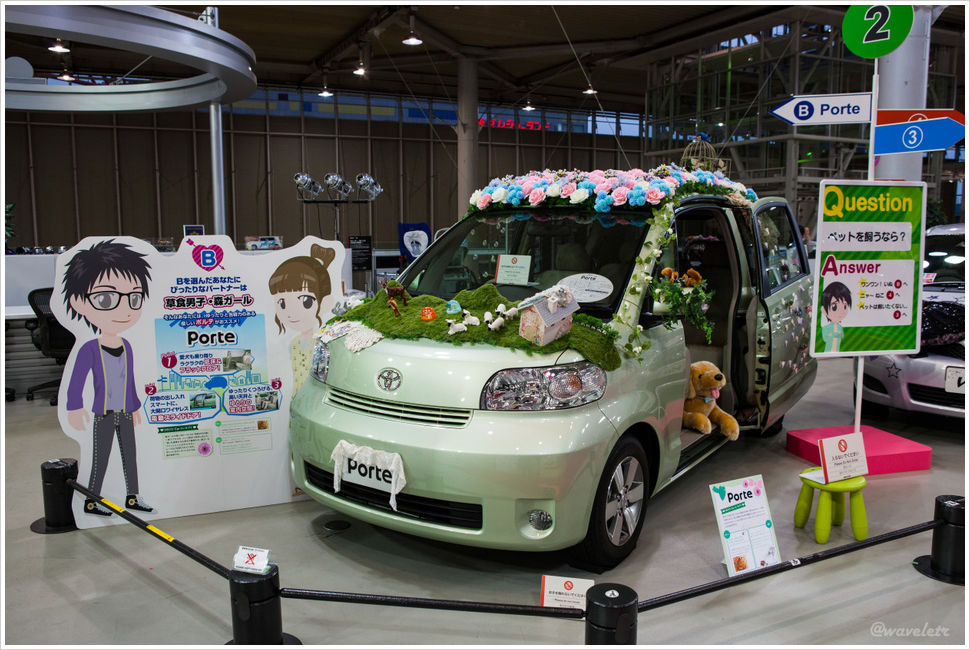
No Phone Call in the Subway Rainbow Bridge Ginza in the Rainy Night Toyota showroom in Daiba (台場) - 草食男和森林女

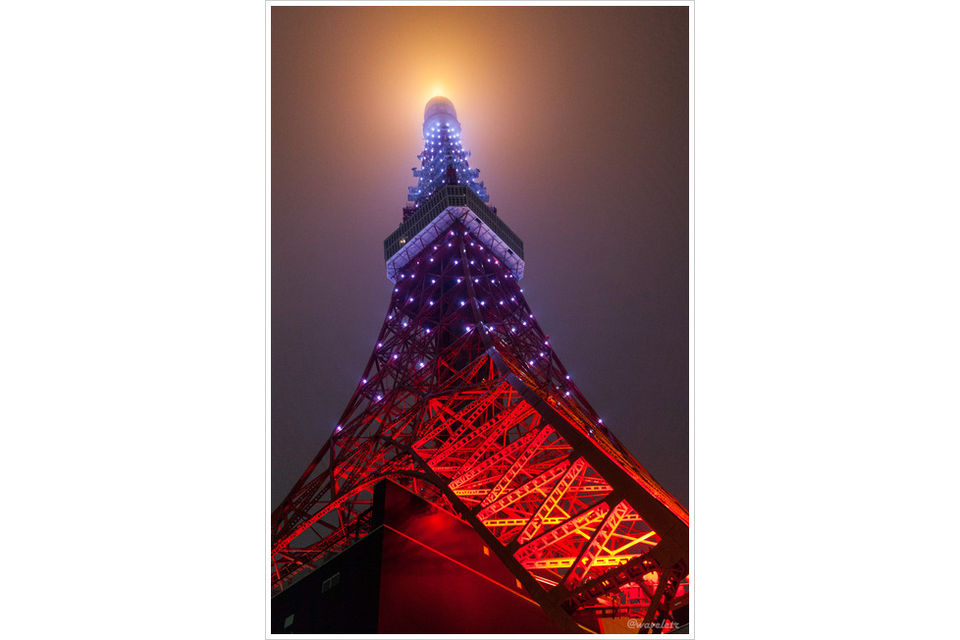
Tokyo Tower

0 Comments

Japan – Tokyo – Culture Fusion

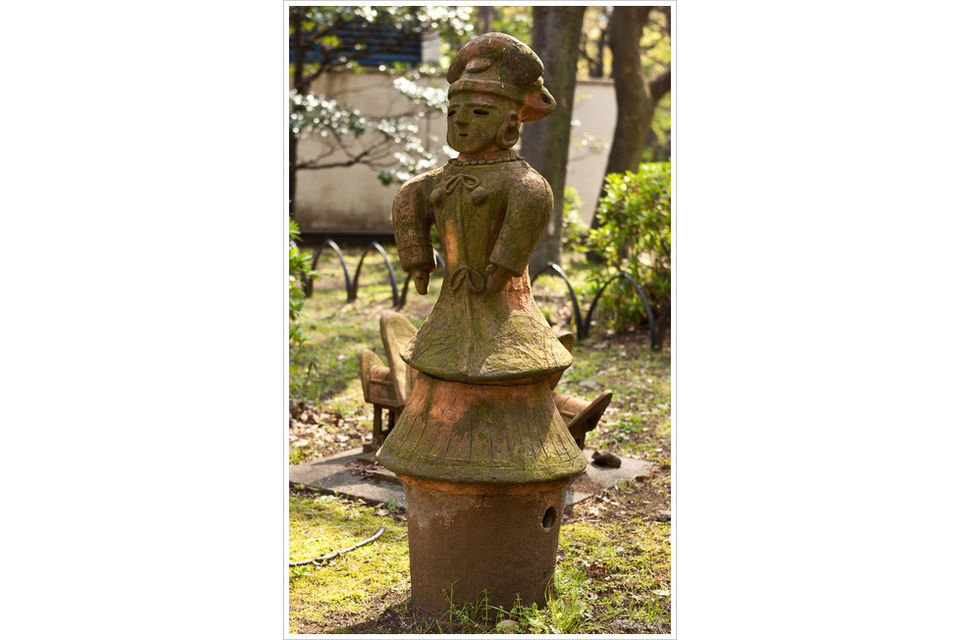
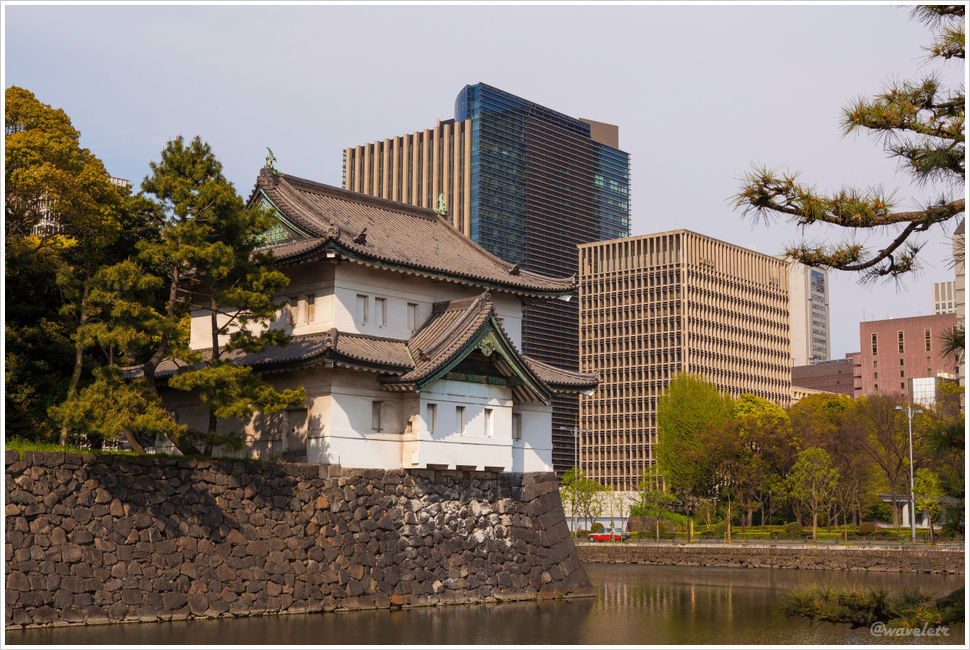
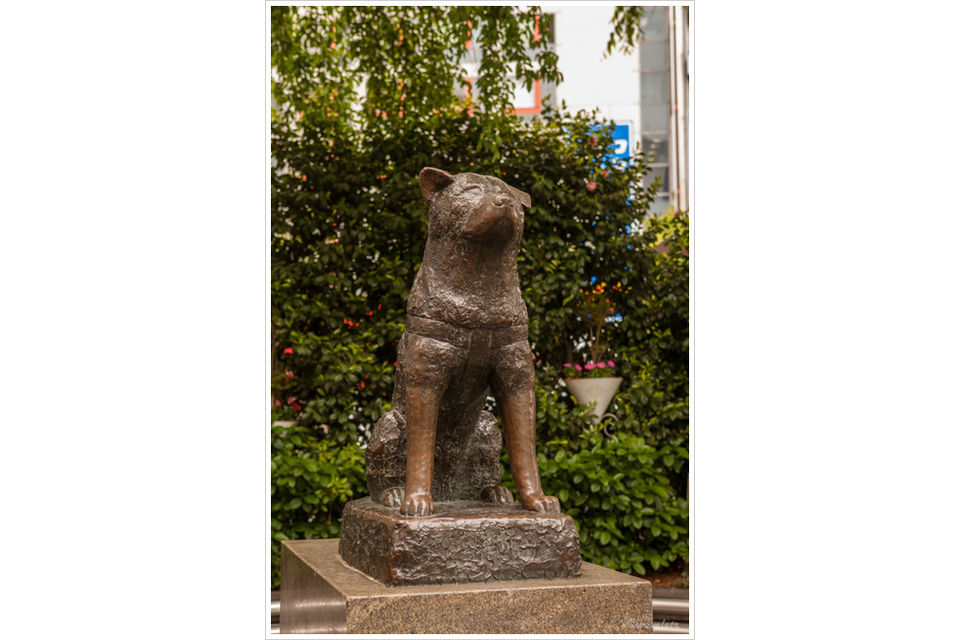
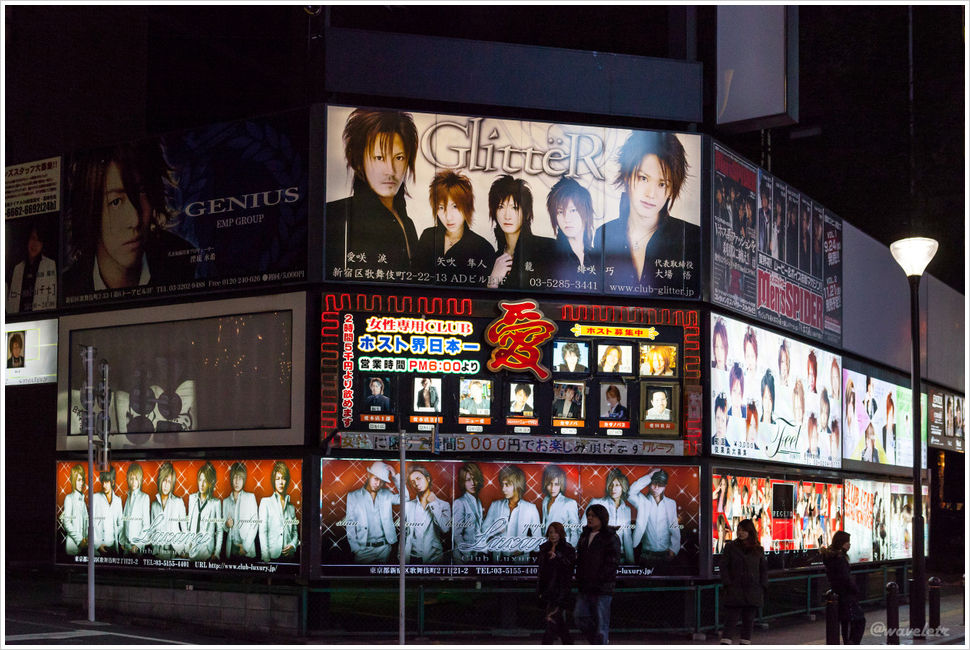
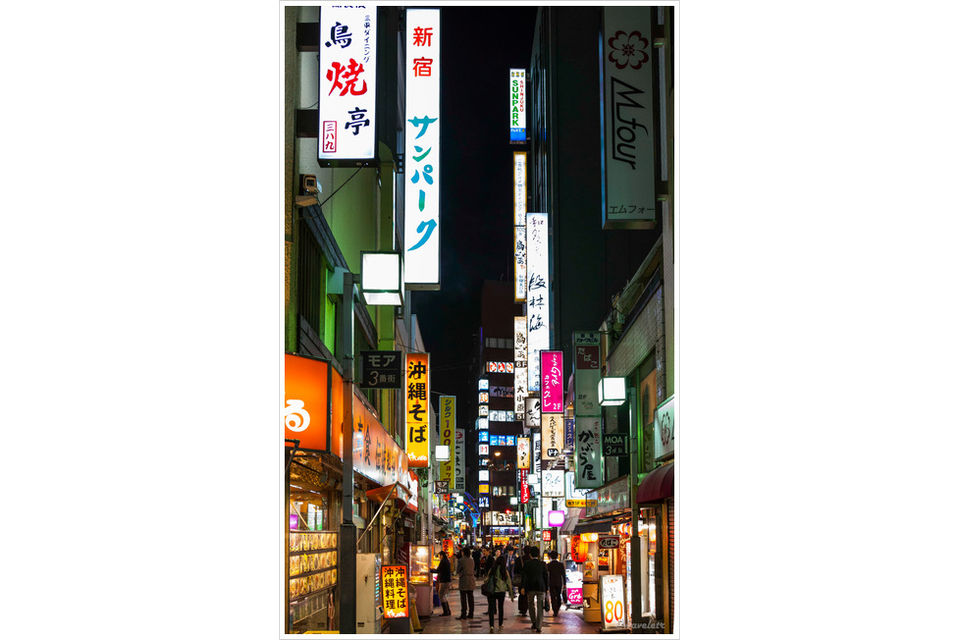
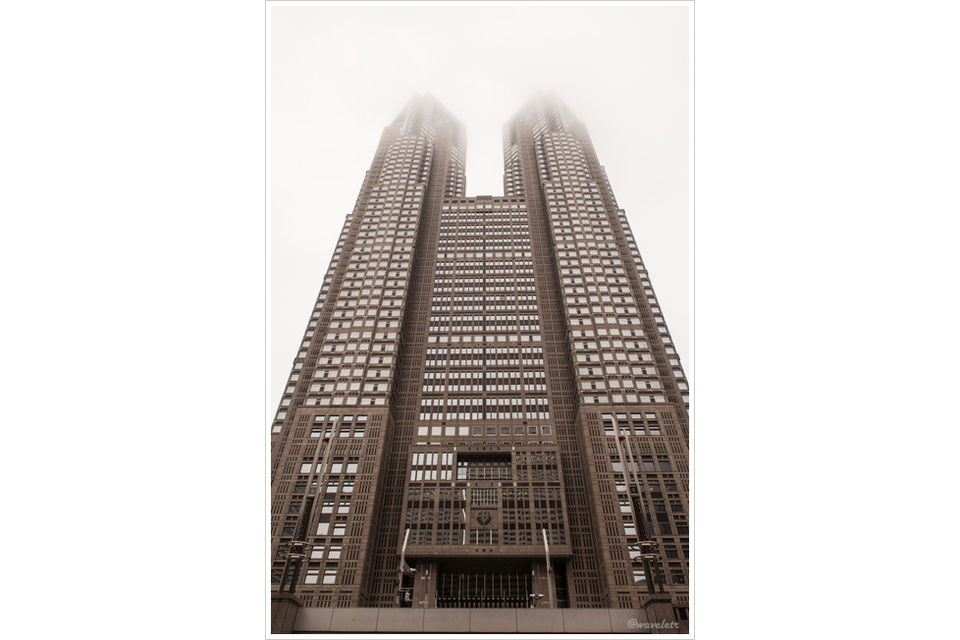
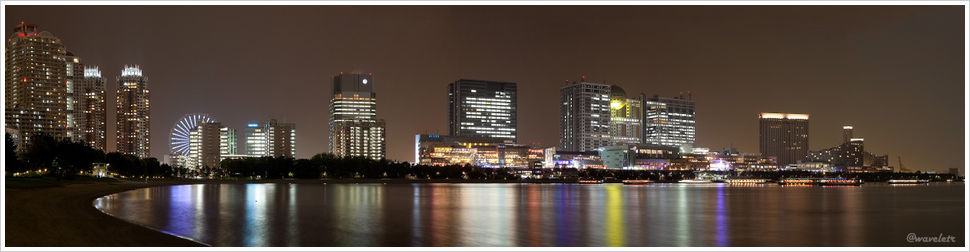
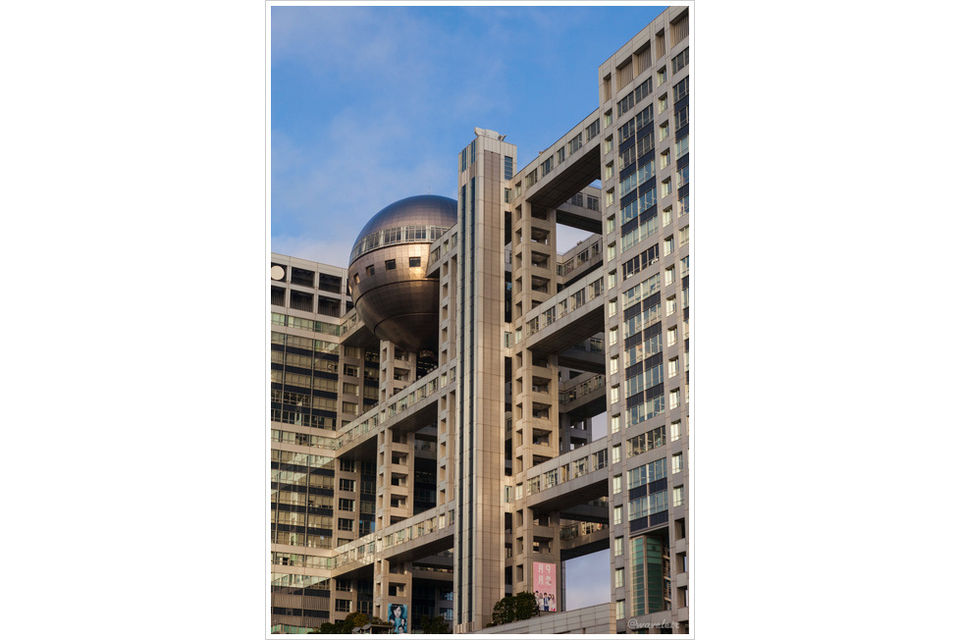
2010.4.25~28Tokyo is the most unique city in the world to showcase the fusion of east and west, tradition values and modern sensations. There is always a long line in front of Kabuki-za (歌舞伎座), people wash their hands before entering shrines and Statue of Hachiko (忠犬公像) is still a popular meeting place. Loyalty, honesty, discipline, perfectionism, these are still the values to be respected. On the other hand, the high rise in West Shinjuku (西新宿), the futuristic buildings in Daiba (台場), the nightlife in Kabukicho (歌舞伎町), the endless choices and customizations of consumer products and fashionable OL walking on the street all remind you that this is one of the most exciting cities in the world. While Kabuki, Tea Ceremony and Sumo are preserved, modern Japan has developed new cultural phenomenons, such as Anime, Cosplay and Video Games.
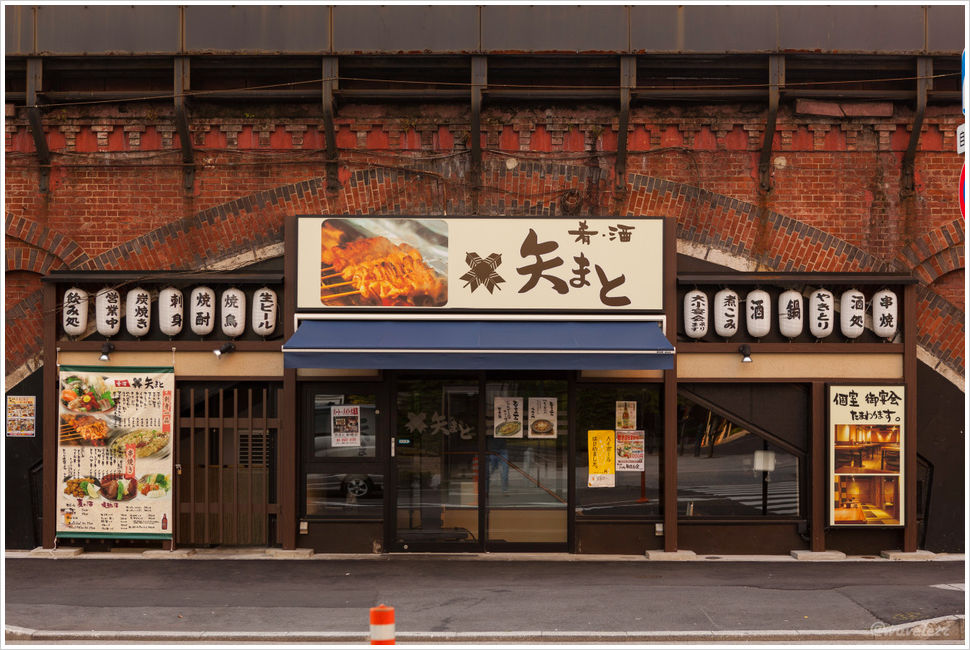
Although a lot of Japanese traditions are highly influenced by ancient China, they are better preserved and valued in Japan. The cultures are so rich and the country is relatively small. It makes Japan an ideal destination for tourists.

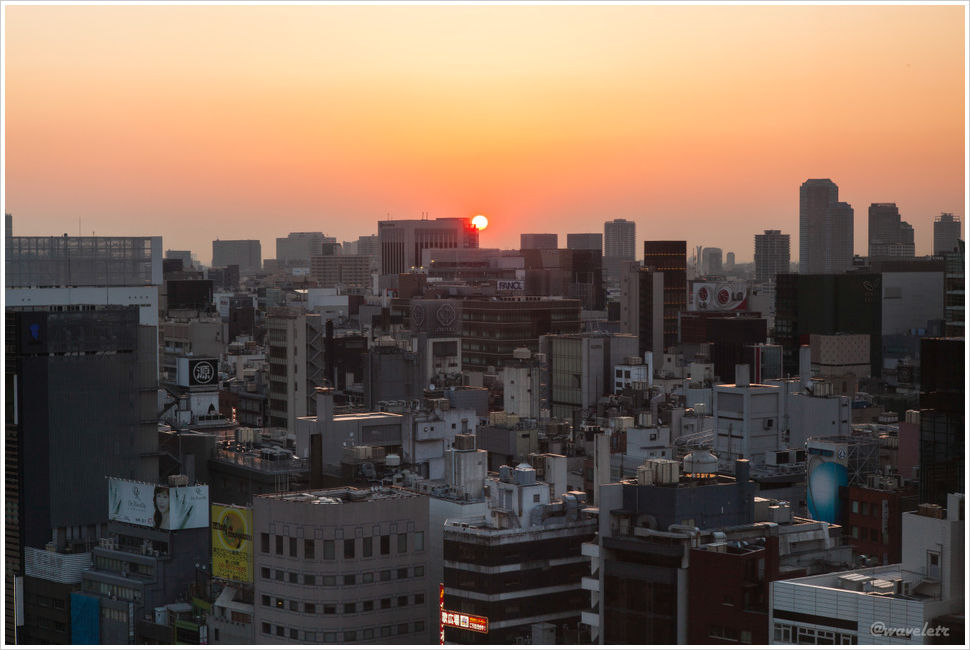
Sunrise in Ginzal
Sunrise in Ginza
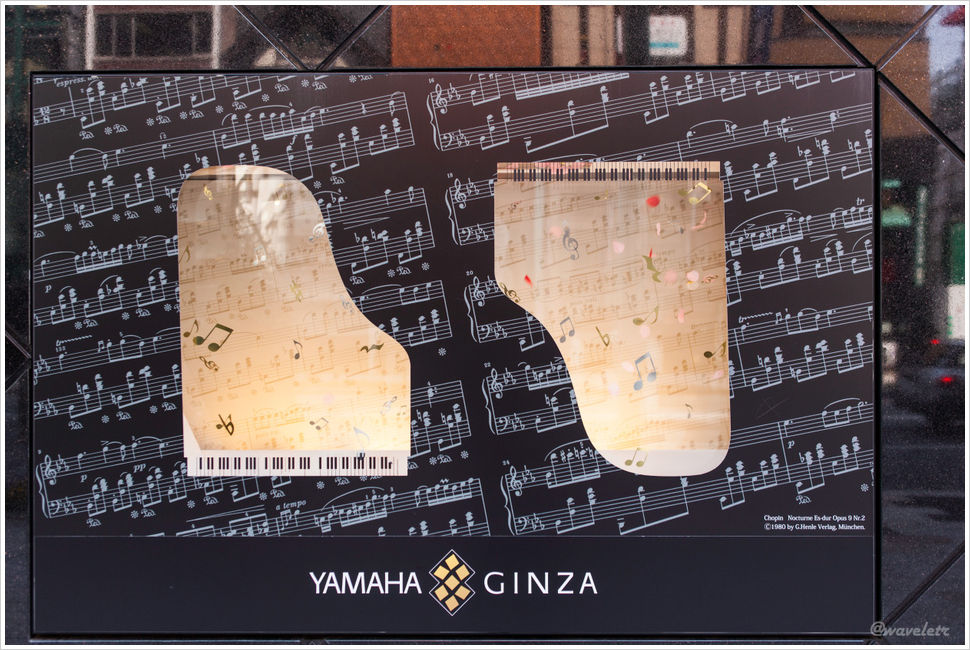
Yamaha Store in Ginza


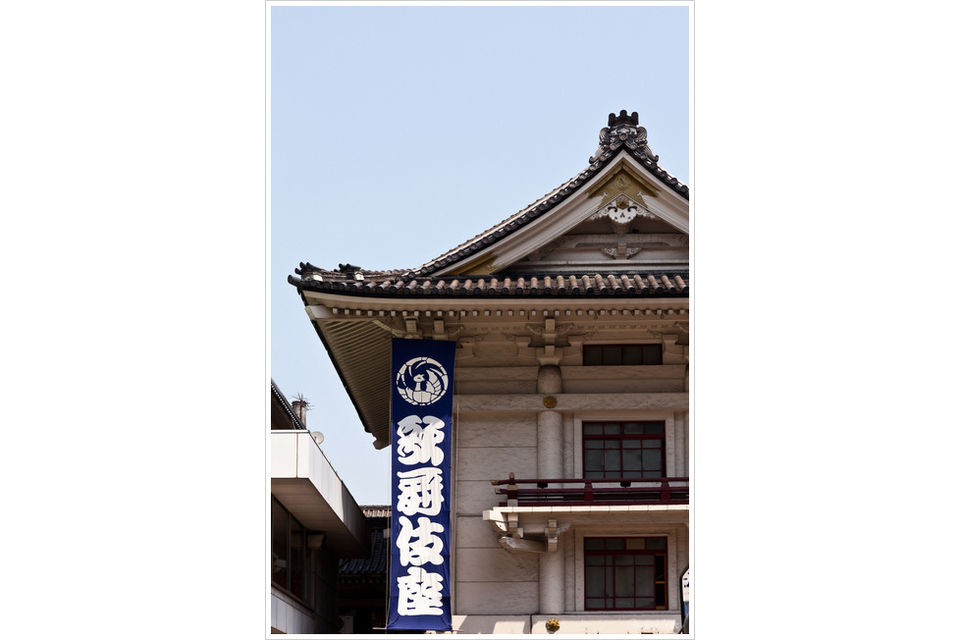
Kabuki-za (歌舞伎座)
Kabuki-za
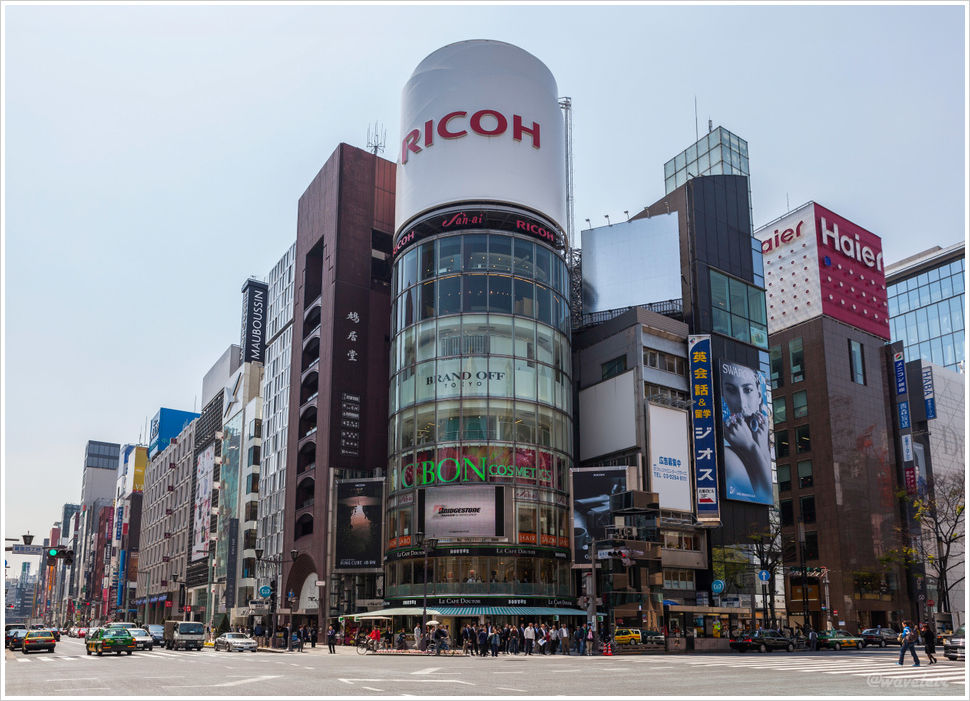
Ginza
Ginza


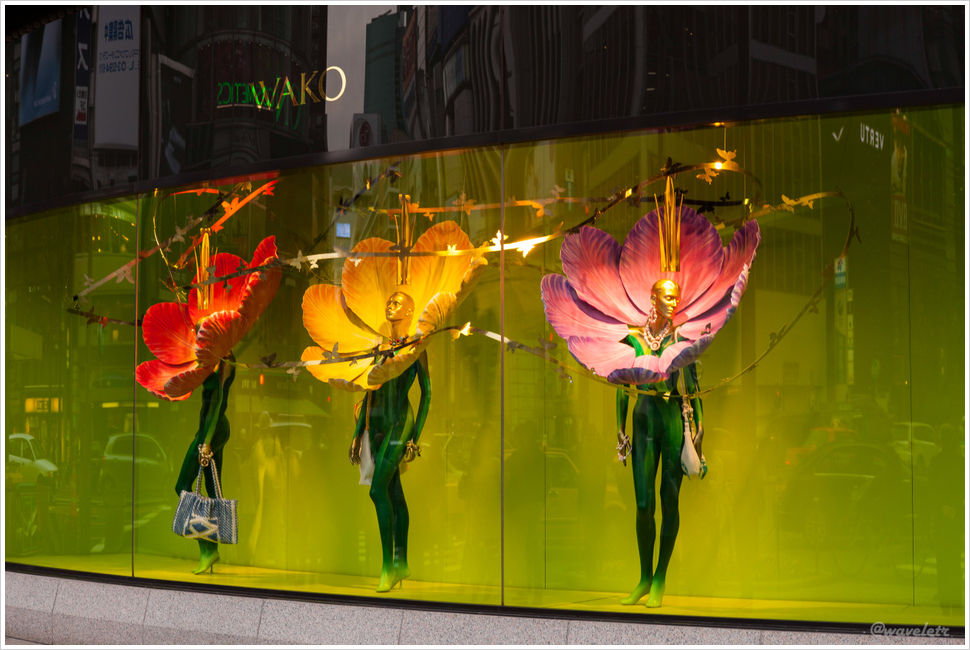
Ginza Window Display
Ginza

Hibiya Koen (日比谷公園)
Hibiya Koen

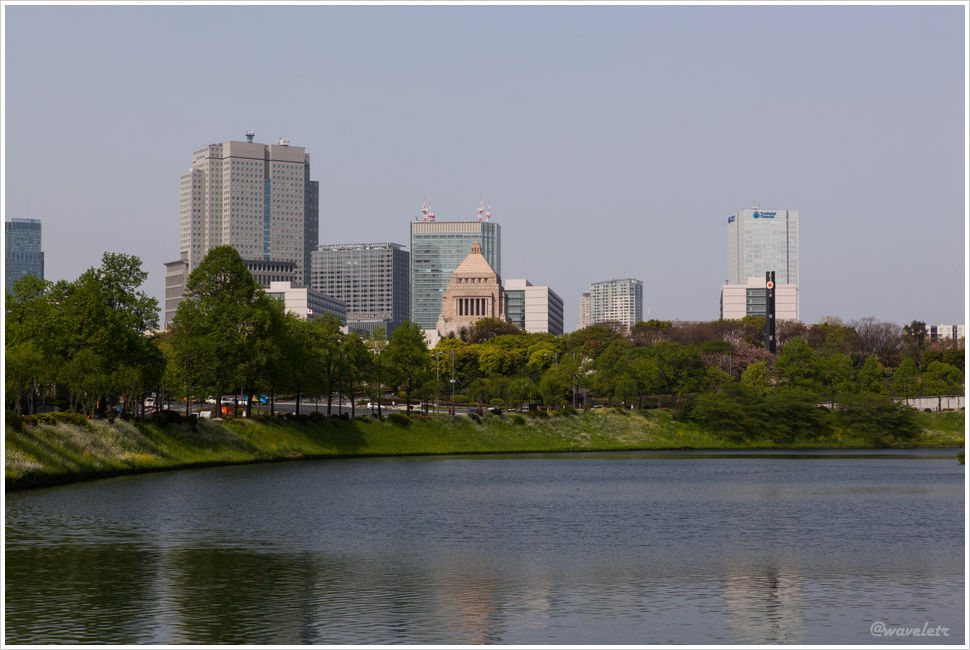
National Diet Building (国会議事堂)
National Diet Building
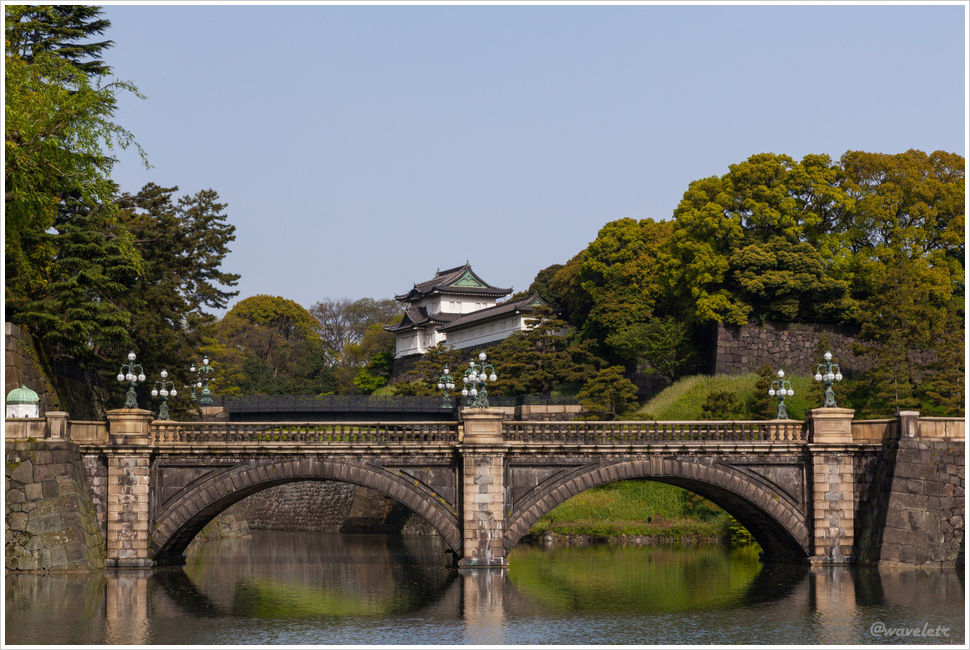
Nijubashi Bridge (皇居二重橋)
Nijubashi Bridge
Imperial Palace (皇居)
Imperial Palace


Statue of Hachiko (忠犬公像)
Statue of Hachiko

Night Club for Women Only, Kabukicho (歌舞伎町)
Night Club for Women Only, Kabukicho
East Shinjuku (東新宿)
East Shinjuku


Tokyo Metropolitan Government Buildin (都庁)
Tokyo Metropolitan Government Buildin
Daiba (台場) Skyline
Daiba Skyline
Fuji TV in Daiba (台場的富士电视台)
Fuji TV in Daiba


0 Comments

Japan – Temples and Shrines

There are countless temples and shrines in Japan, especially in Kyoto. While temples are for Buddhists, shrines are the worship places for Japanese traditional Shinto (神道教).

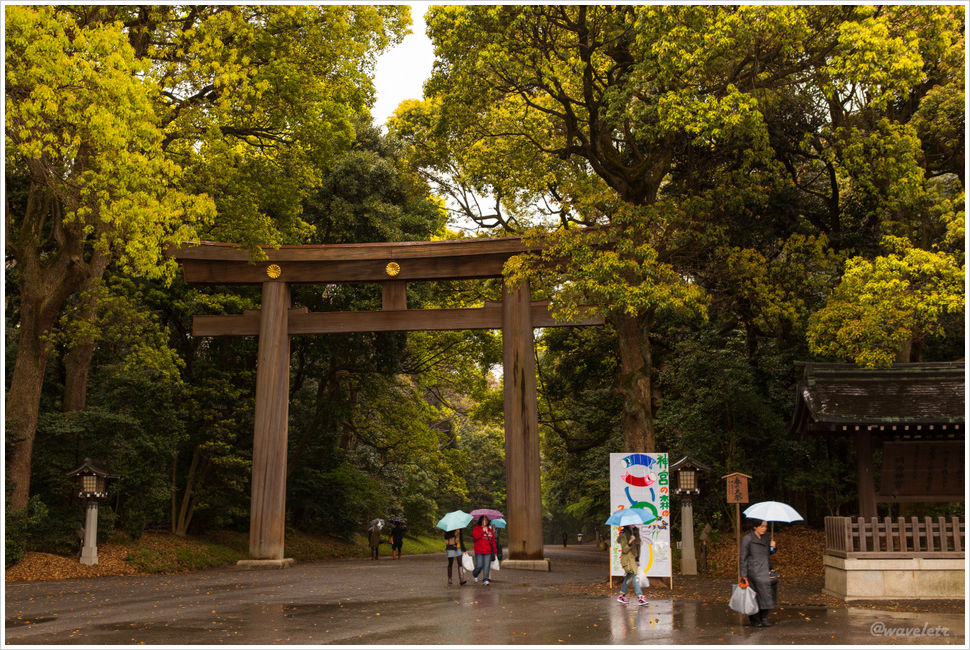
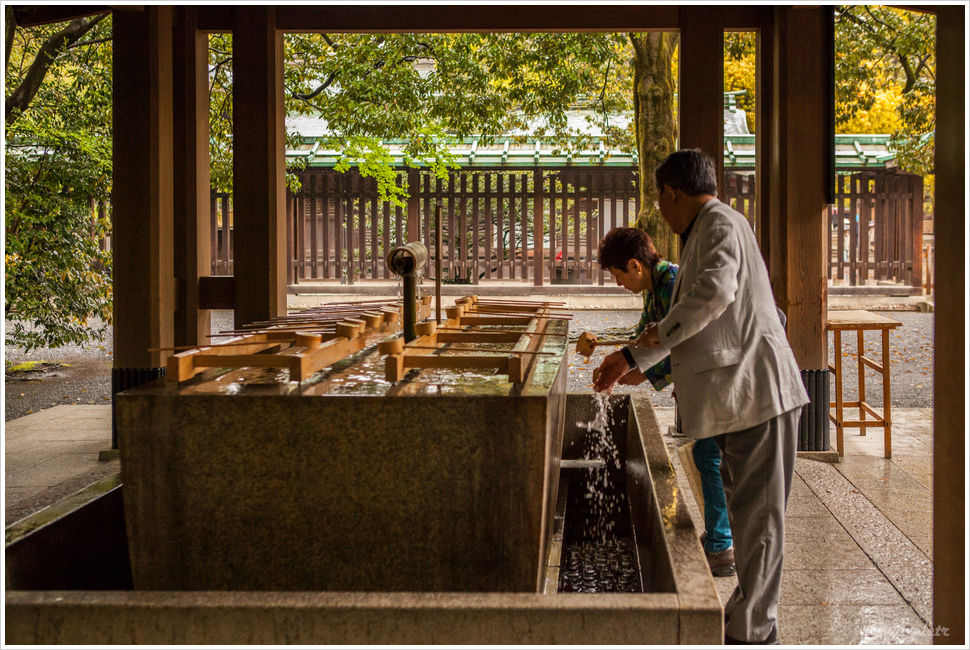
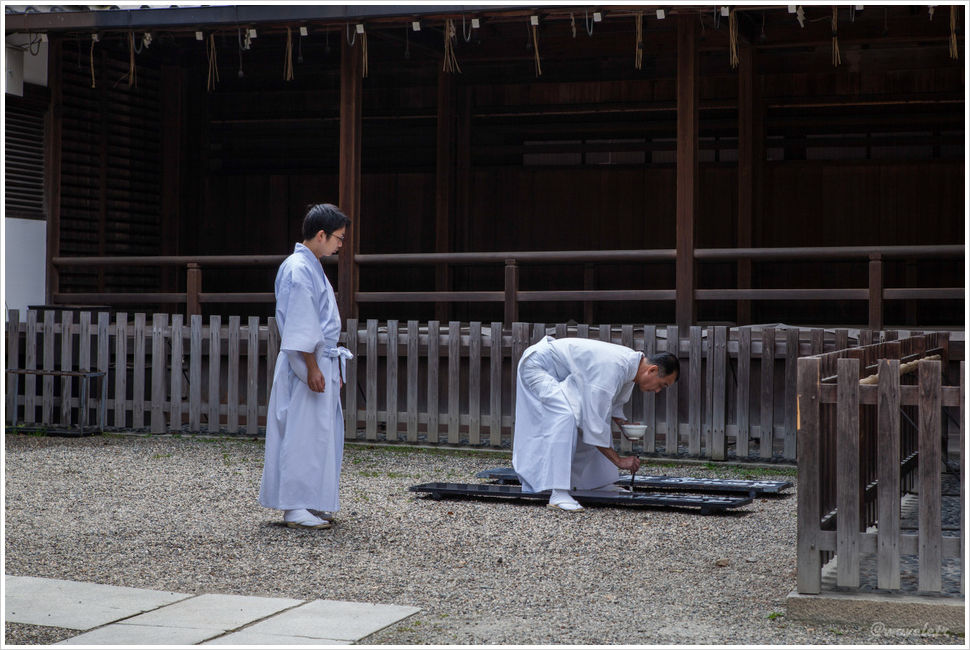
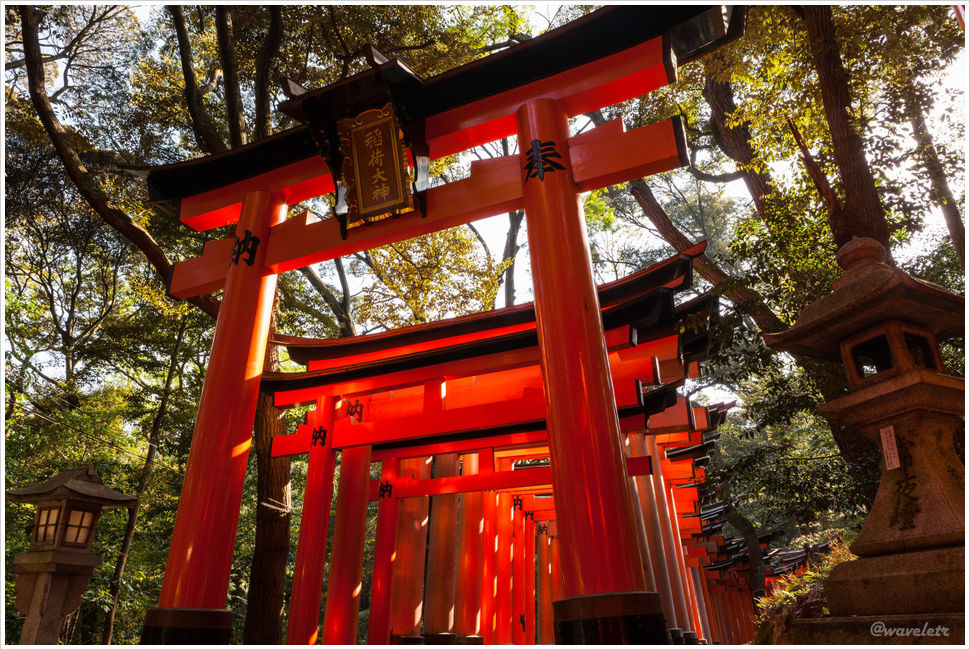
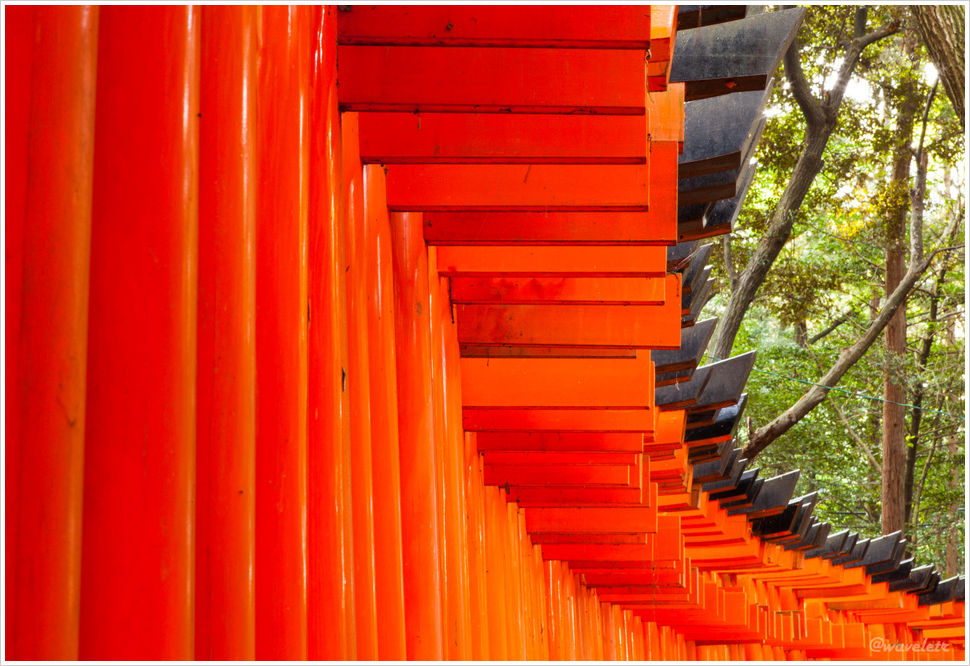
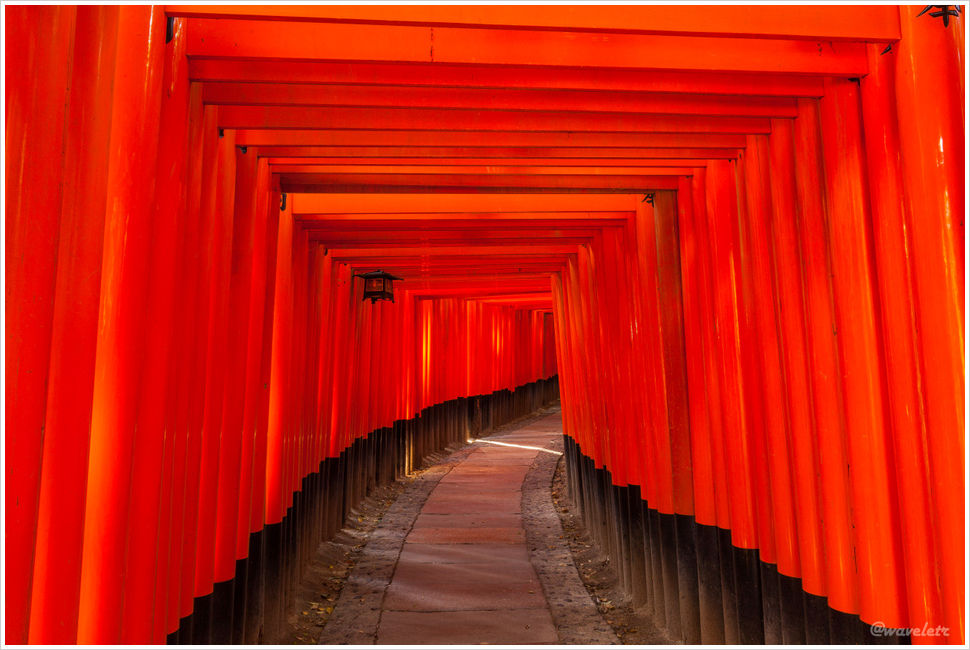
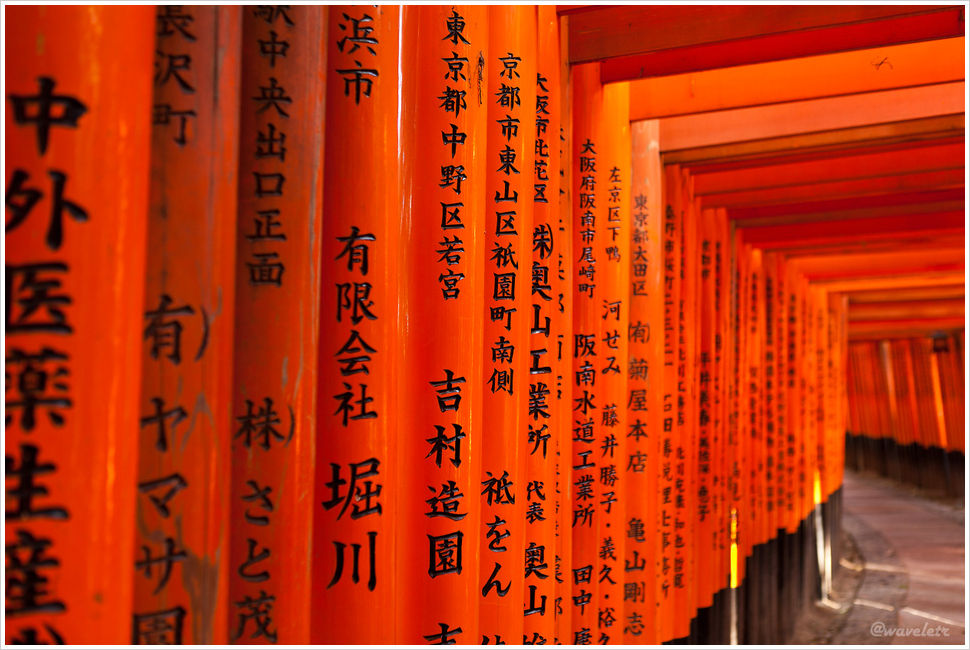
Shinto Shrines are marked by its symbolical gate, Torii (鸟居). The most famous, also the most photographed, shrine is Fushimi Inari Taisha (伏見稲荷大社) in Kyoto. Because Inari is a god of business, companies and individuals built thousands of Toriis dedicated to Inari. These thousands of gates in red color lines up one after another along the trails from the bottom to the top of the mountain. The scenery is really one of kind. There is no one single god in Shinto, anything in nature can be worshiped. Shrines normally have a small pool in front of their gate. People must wash their hands and mouth before entering the shrine.

A lot of temples and shrines look very new because the paint seems to be applied recently. At first, I felt the new paints were conflicting with the ancient building style. I later learnt that rebuilding temples and shrines is a tradition in preserving their sacrality.

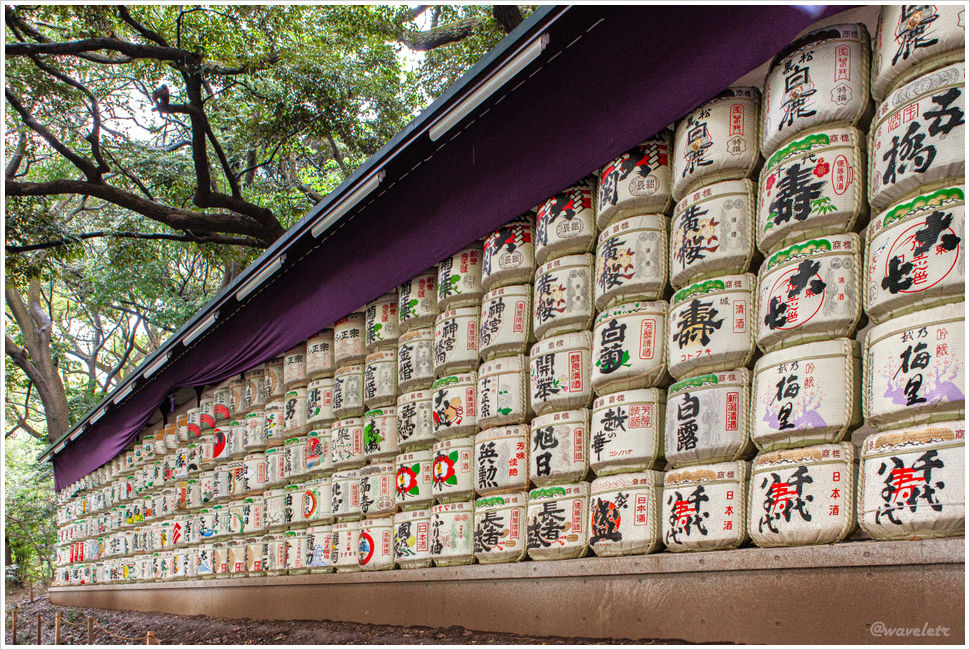
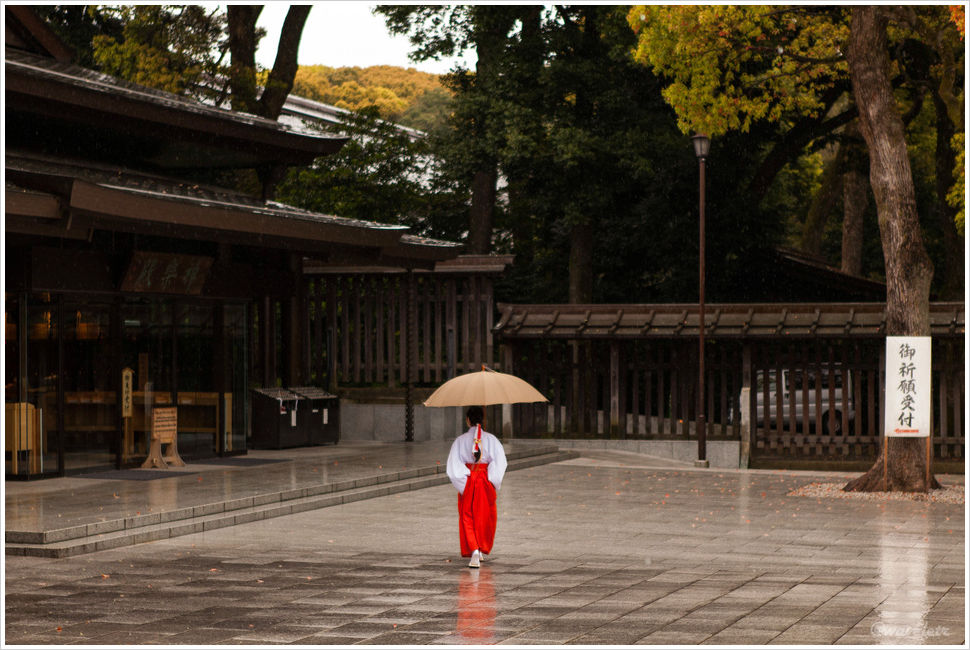
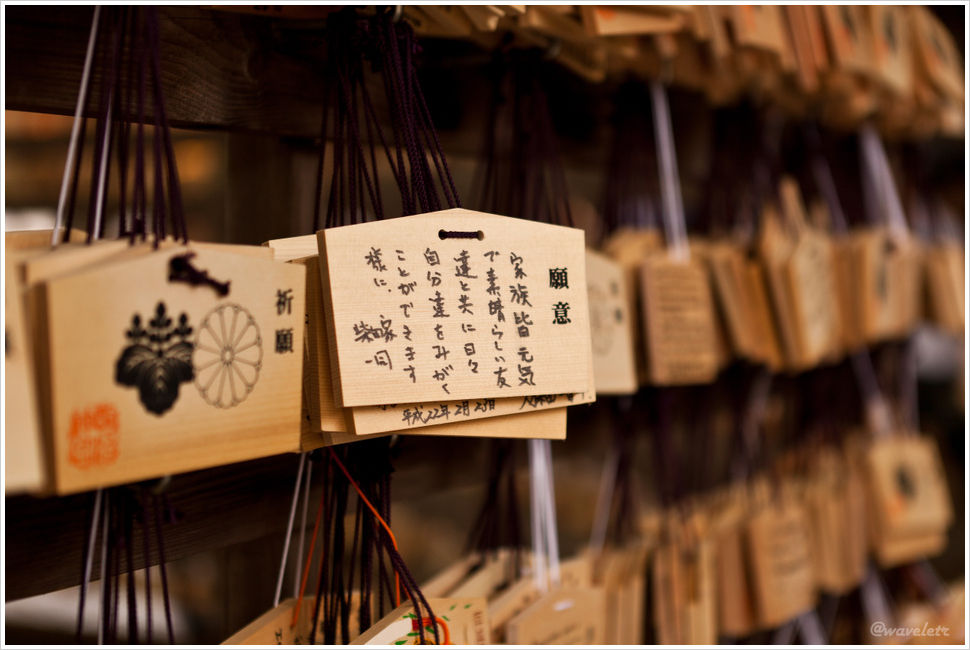
Meiji Shrine (明治神宫,东京)

明治神宫,东京
明治神宫,东京
明治神宫,东京
明治神宫,东京
明治神宫,东京


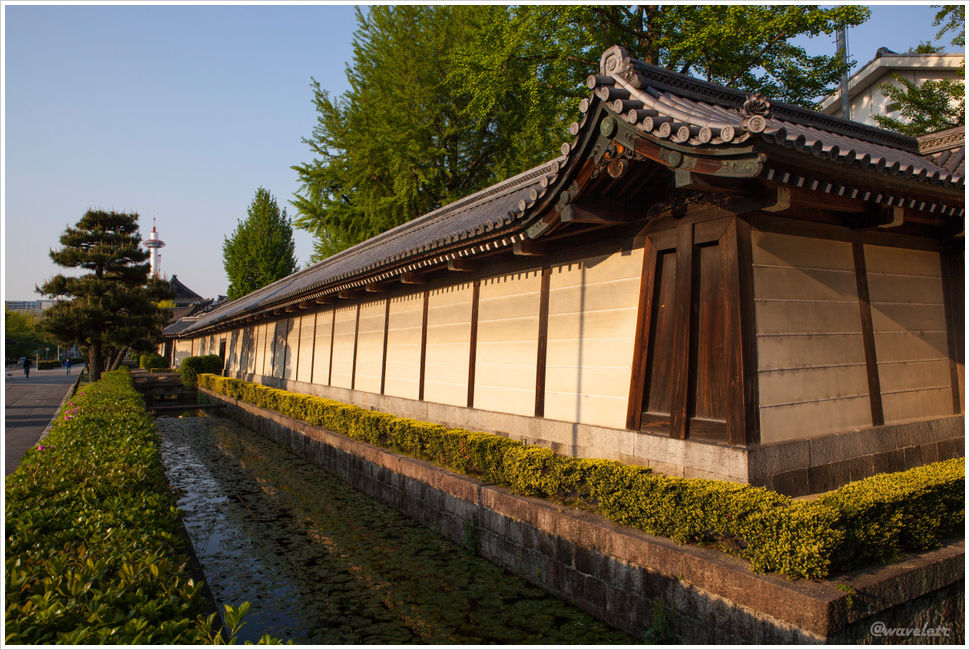
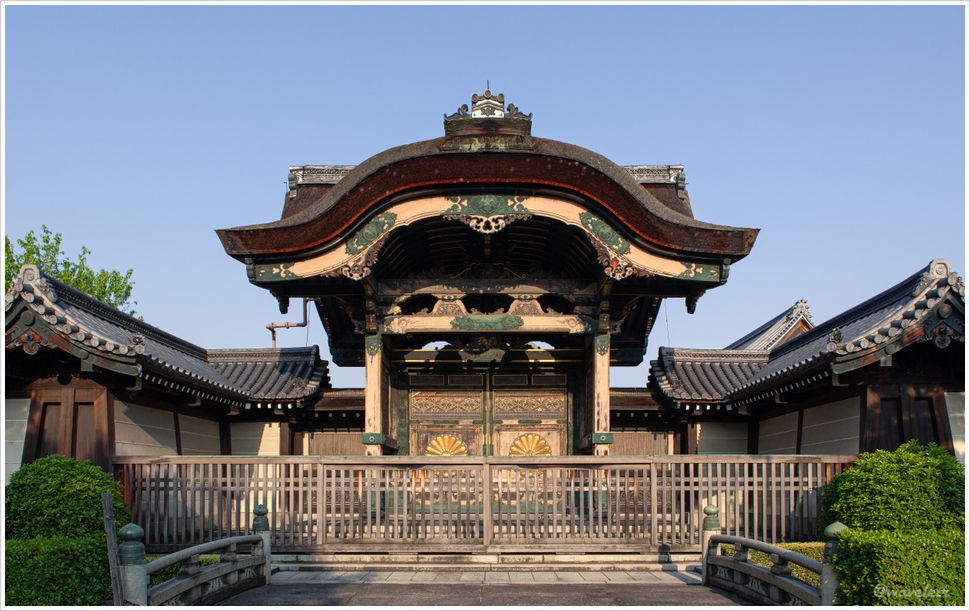
Higashi Honganji Temple (東本願寺,京都)

東本願寺,京都
東本願寺,京都


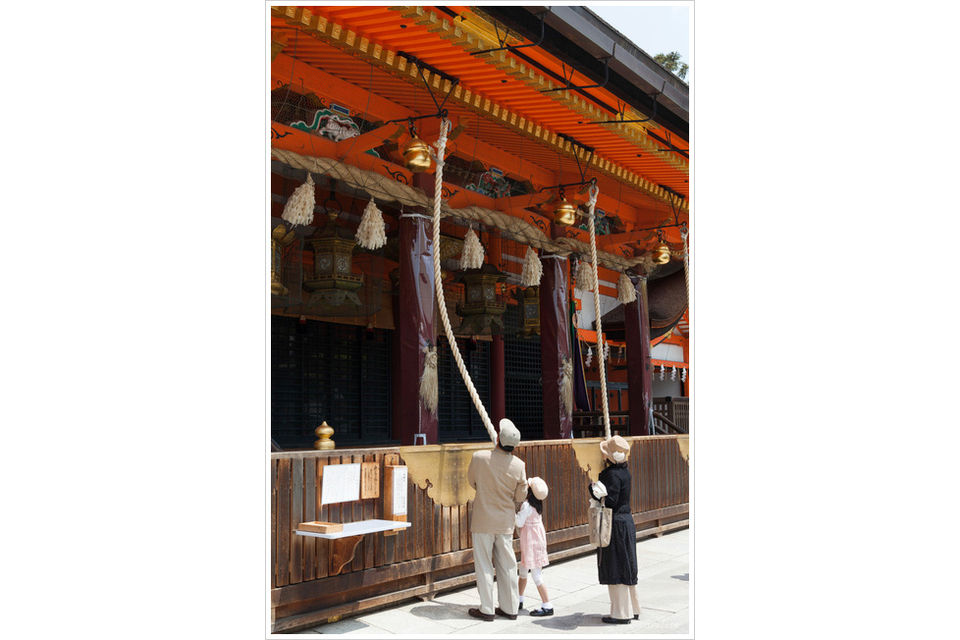
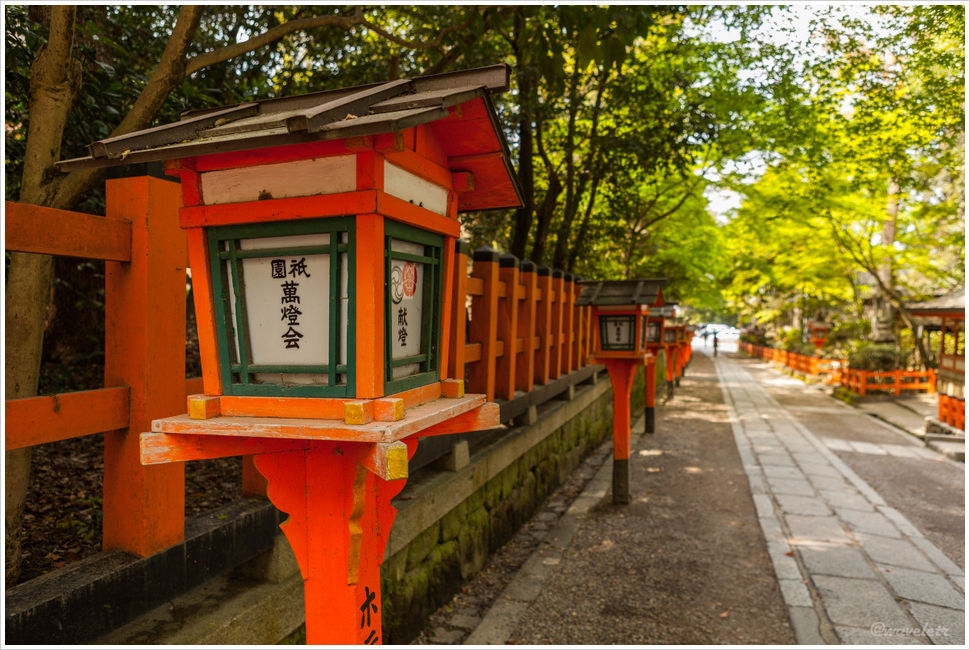
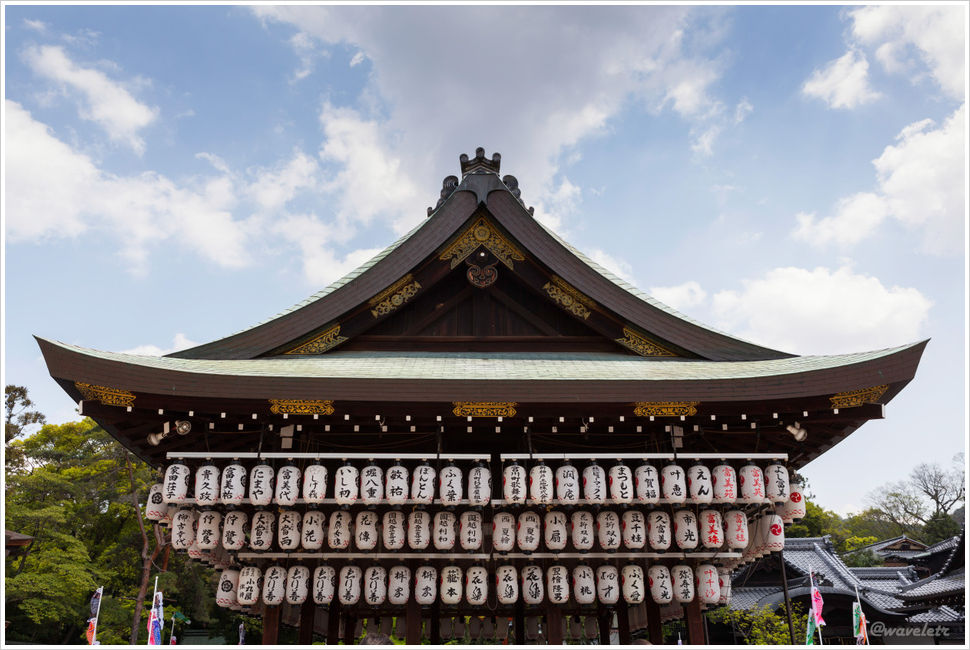
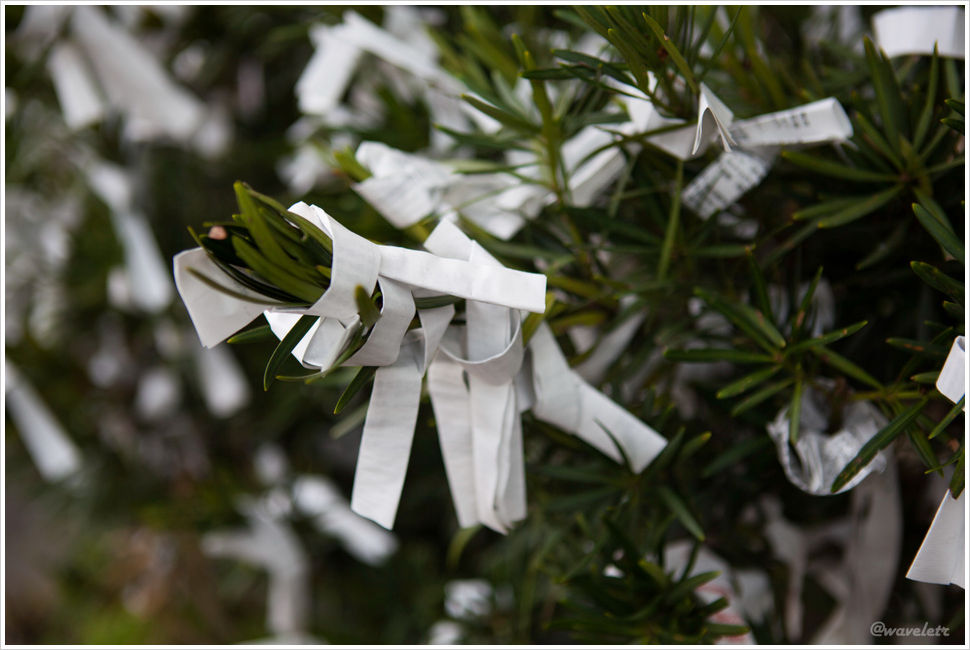
Yasaka Shrine (八坂神社,京都)

八坂神社,京都
八坂神社,京都
八坂神社,京都
八坂神社,京都
八坂神社,京都


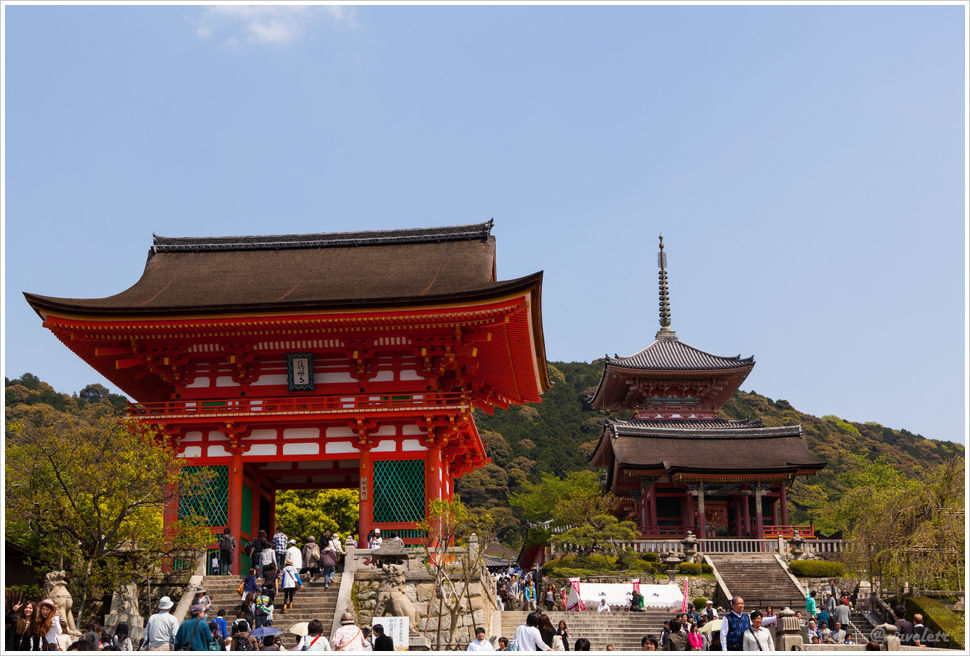
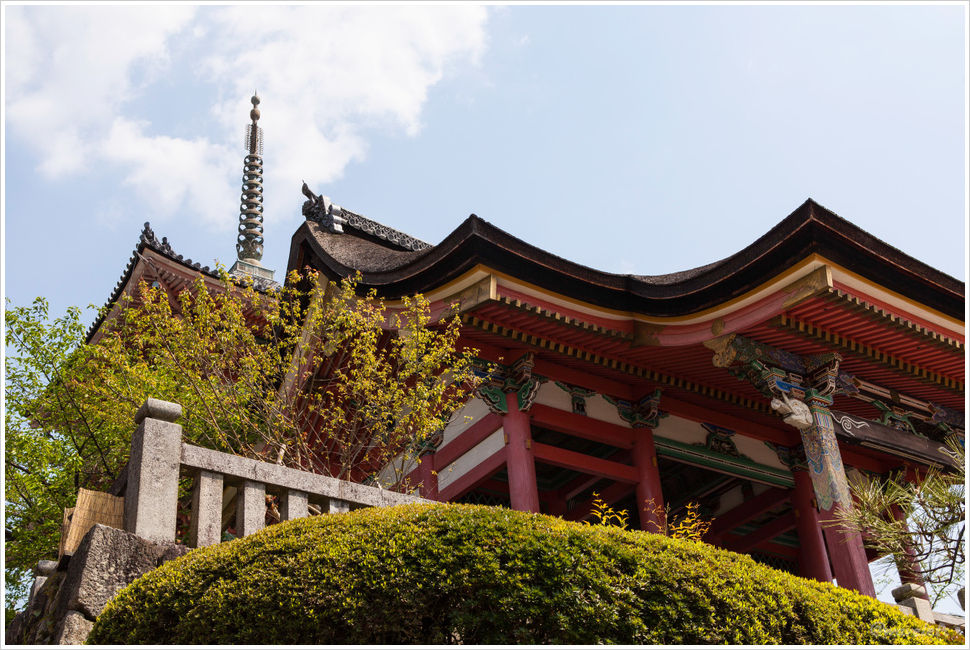
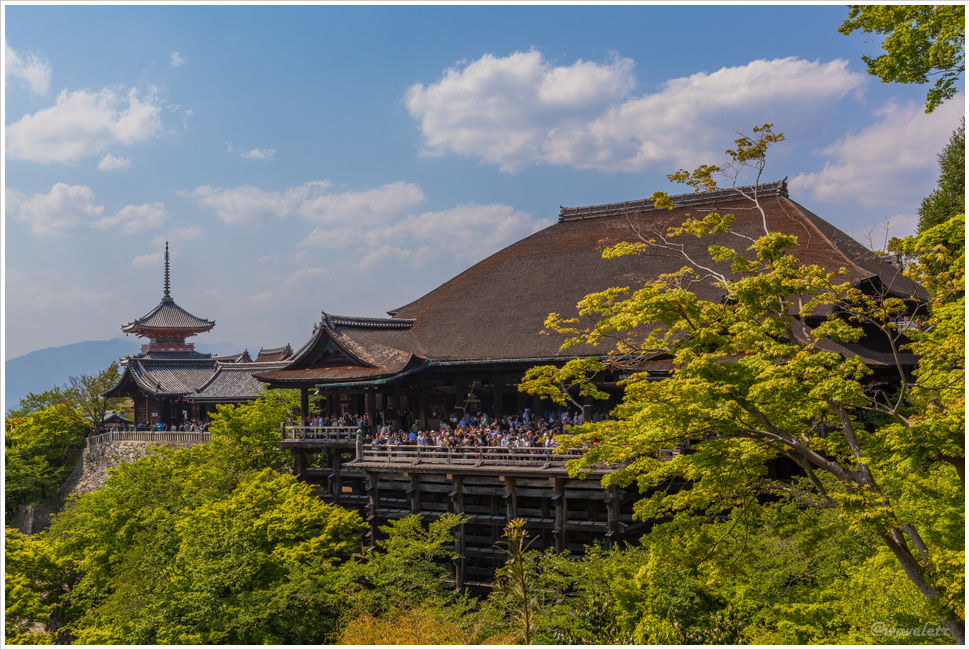
Kiyomizu Temple (清水寺,京都)

Yasaka Shrine, Kiyomizu Temple and the shopping district in between are popular tourist attractions. It’s golden week in Japan. People are everywhere.

清水寺,京都
清水寺,京都
清水寺,京都


Fushimi Inari Shrine (伏見稲荷大社)

Two railway stops south of Kyoto Station. I got there before 7AM at morning to avoid the crowd.

伏見稲荷大社
伏見稲荷大社
伏見稲荷大社
伏見稲荷大社


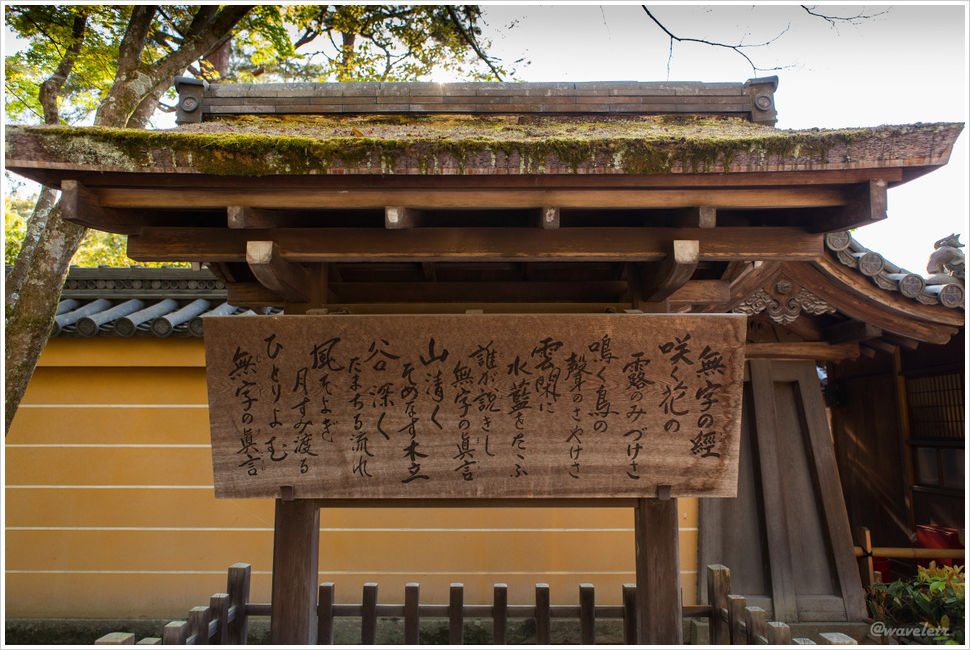
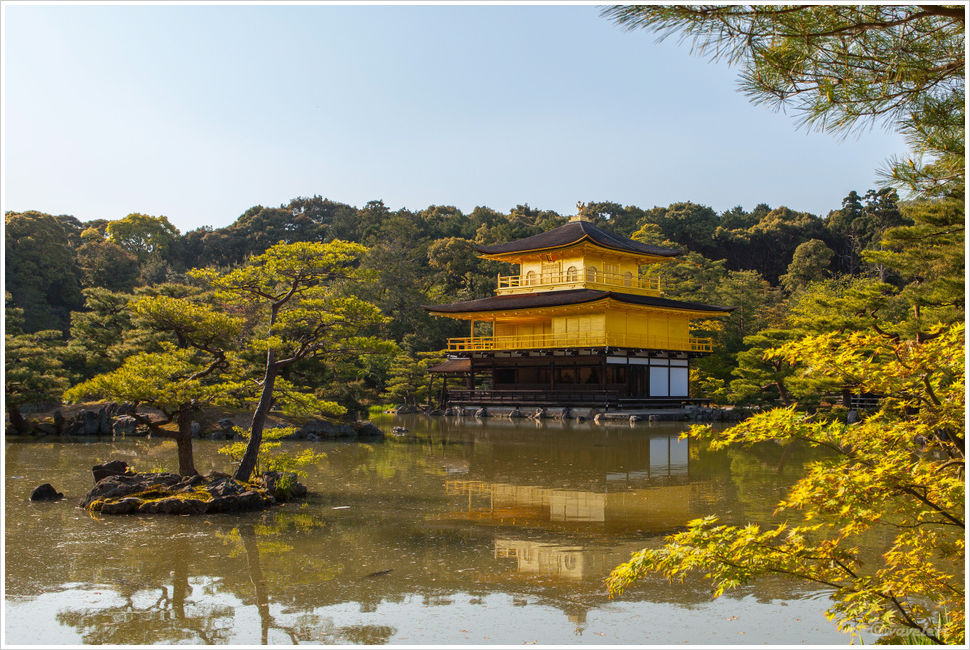
Kinkaku-ji Temple (金閣寺)

金閣寺
金閣寺


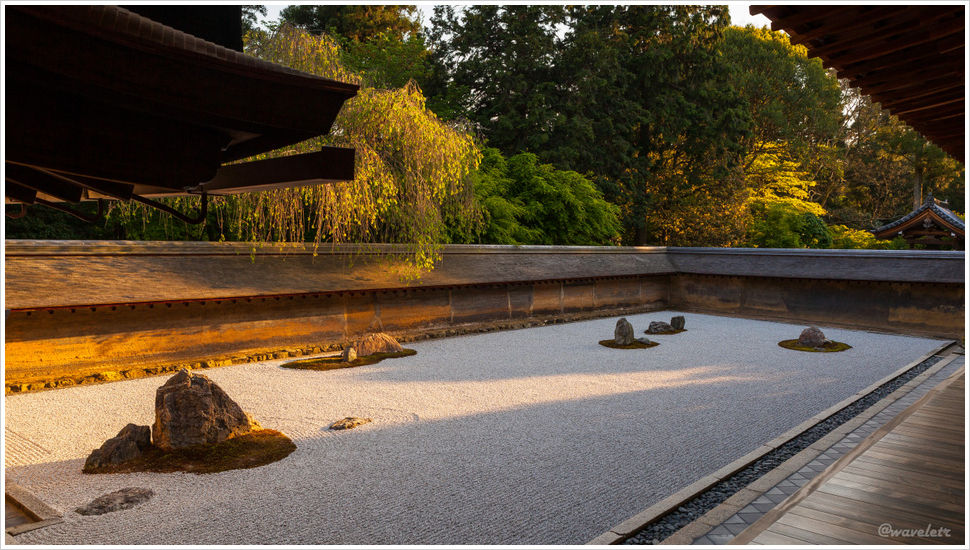
Ryoan-ji Temple (竜安寺)

The temple was almost closed when we got there. I had no time to appreciate the “ultimate expression of Zen Buddhism”

竜安寺

0 Comments

Japan – Beautiful Food

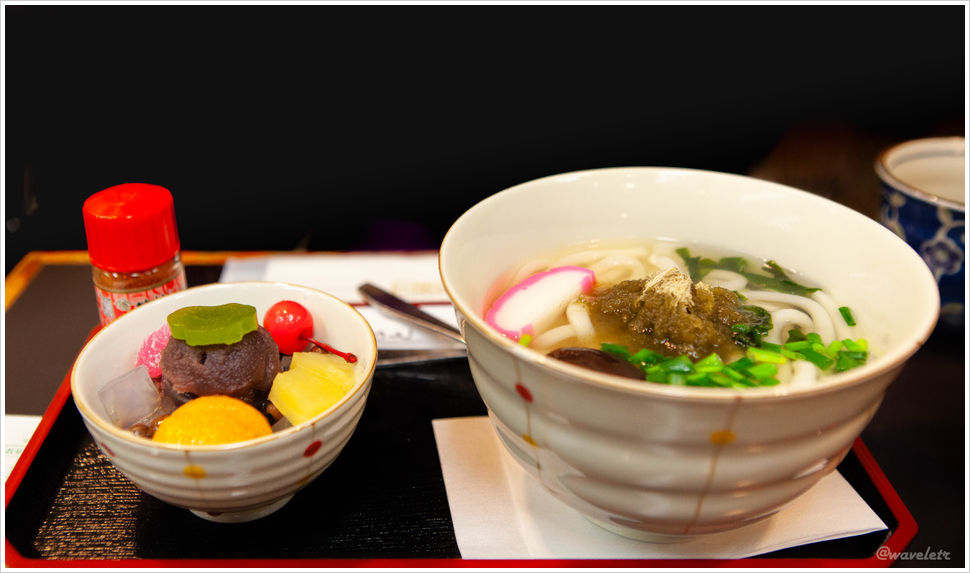
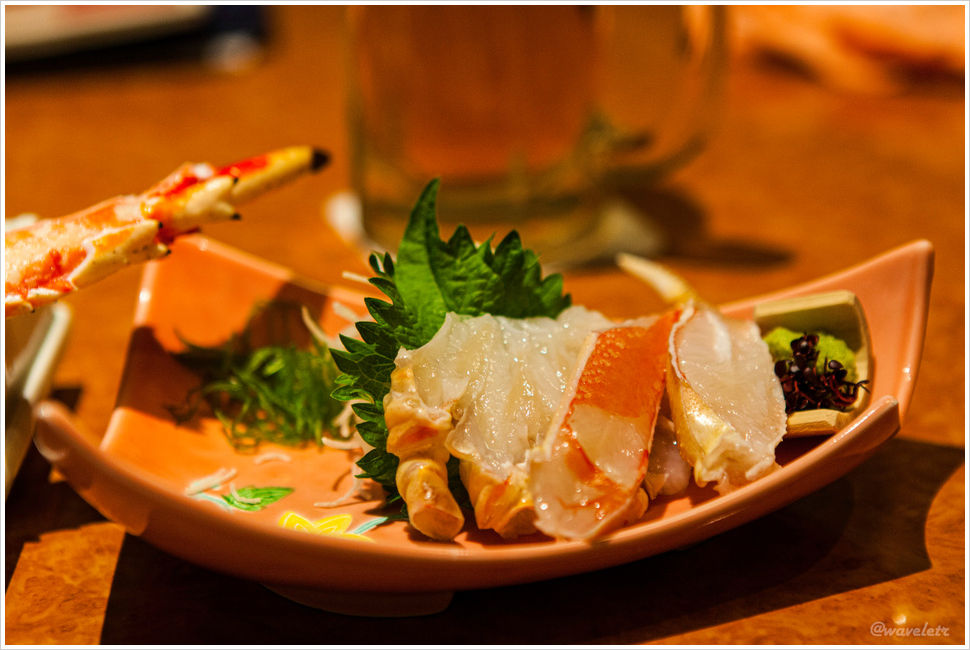
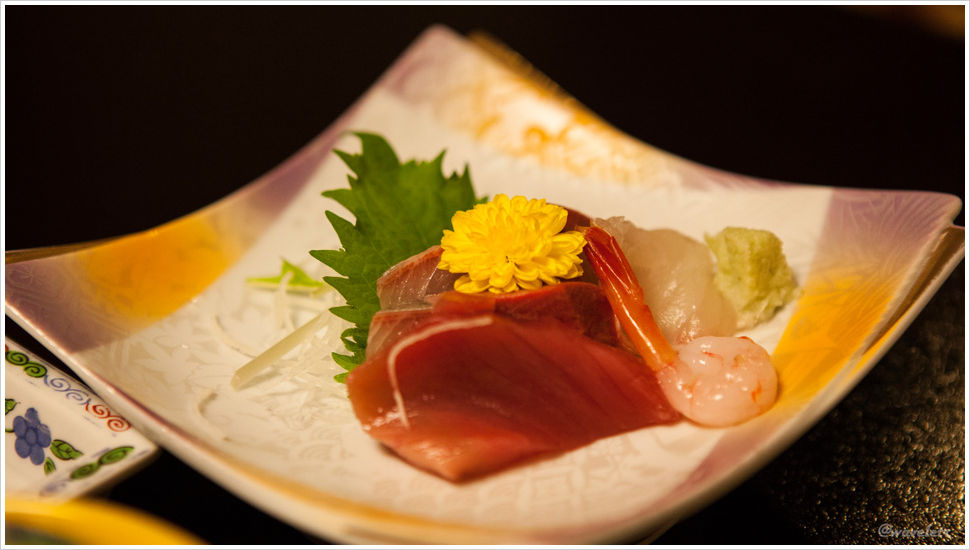
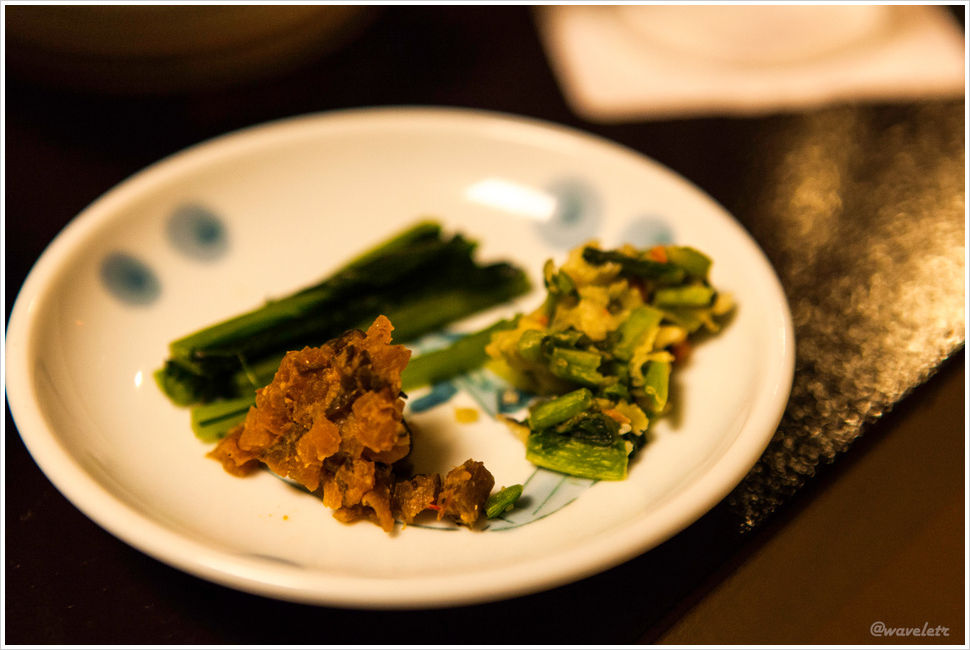
Most Japanese food taste quite light, (except noodles, they are very salty), and simple. A small portion of salted vegetables (咸菜) or Sashimi can be put on top of rice to make a dish. In fact, the rice itself is an ingredient. It is fresh and fragrant so the whole dish is still rich and flavorful.

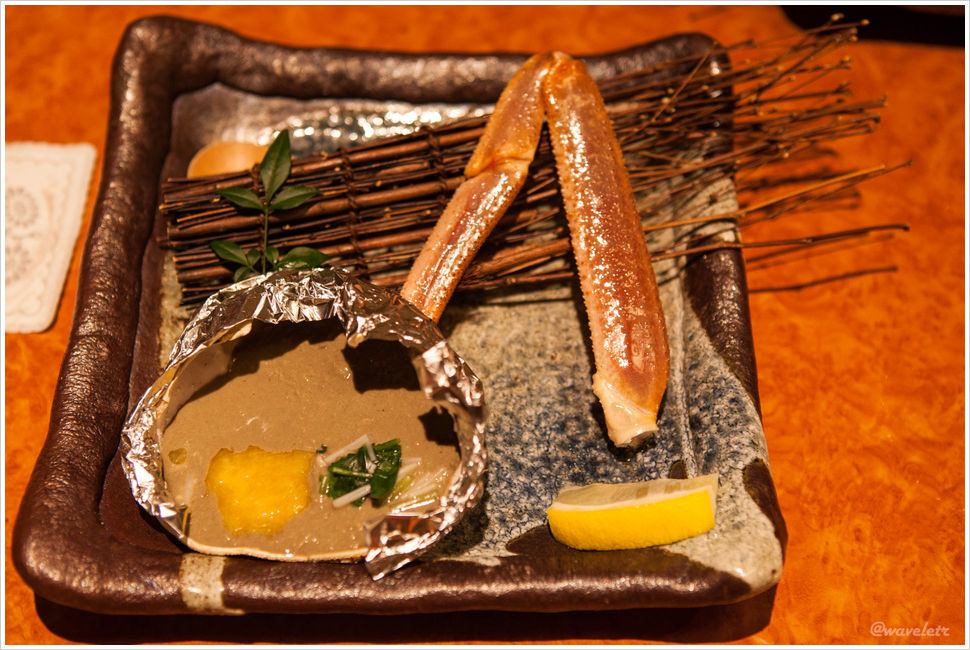
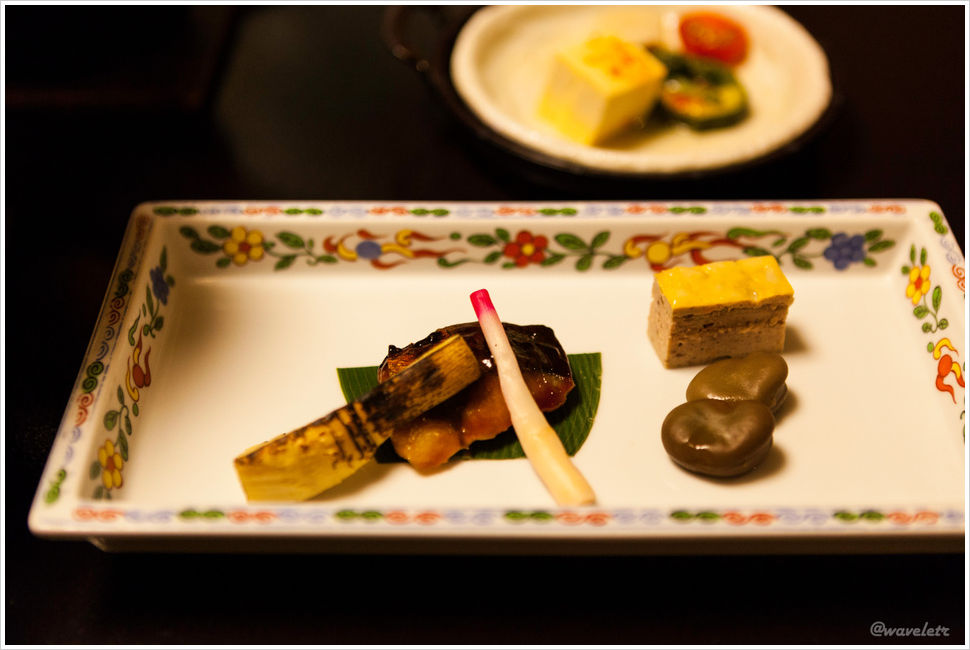
If to name one characteristic about Japanese cuisine, it must be their artistic plating. The dishes look so beautiful that you want to cherish them instead of eating them. If the content of the dish is simple, the preparation and cleaning must be time consuming because it takes many dishes to make a dinner. It is said that this is because in the past the resources is relatively scarce so Japanese have to make the food appealing to appetite. But I think pursuing the attractive presentation to the extreme is embedded in Japanese’s blood. The product packaging is always artful, the streets are always tidy and organized, even people are always dressed fashionably.

东京商店里的小店
Rかに道樂,银座八丁目
かに道樂,银座八丁目
かに道樂,银座八丁目


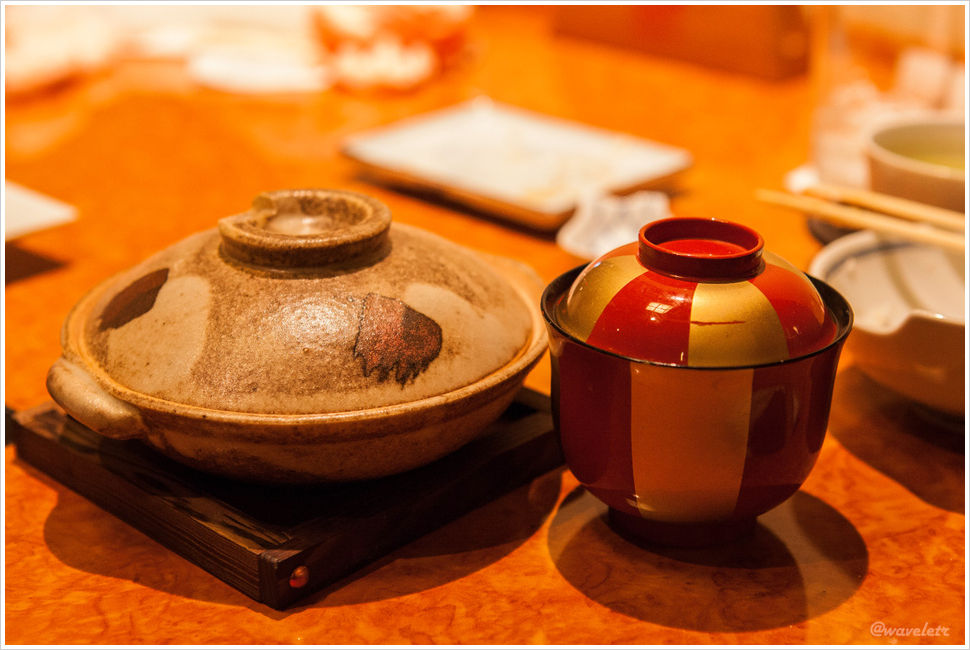
R箱根Hotel Okada的晚餐料理
箱根Hotel Okada的晚餐料理
箱根Hotel Okada的晚餐料理


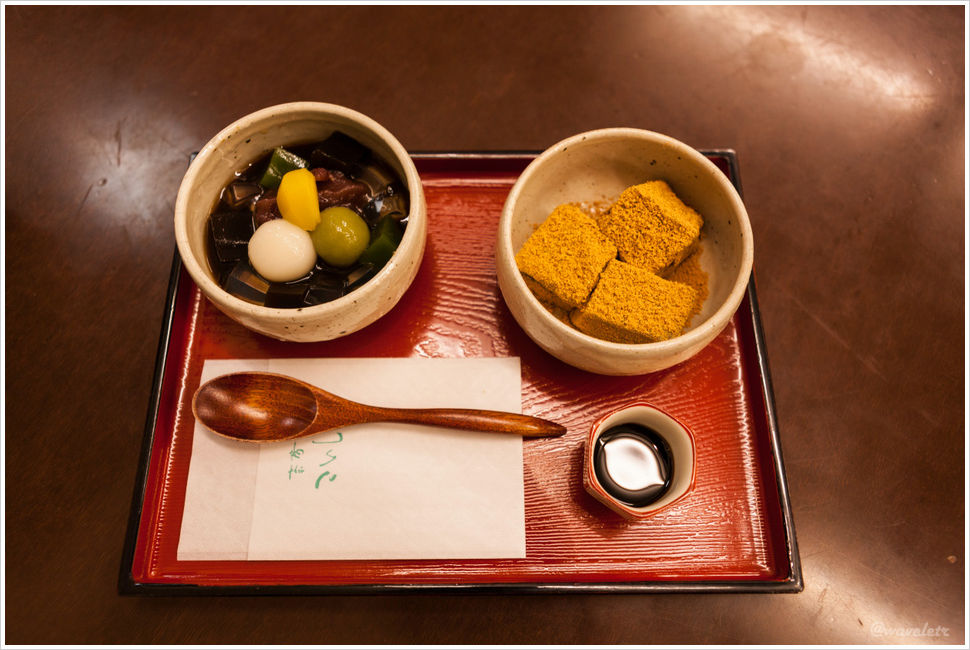
祗园小石,京都
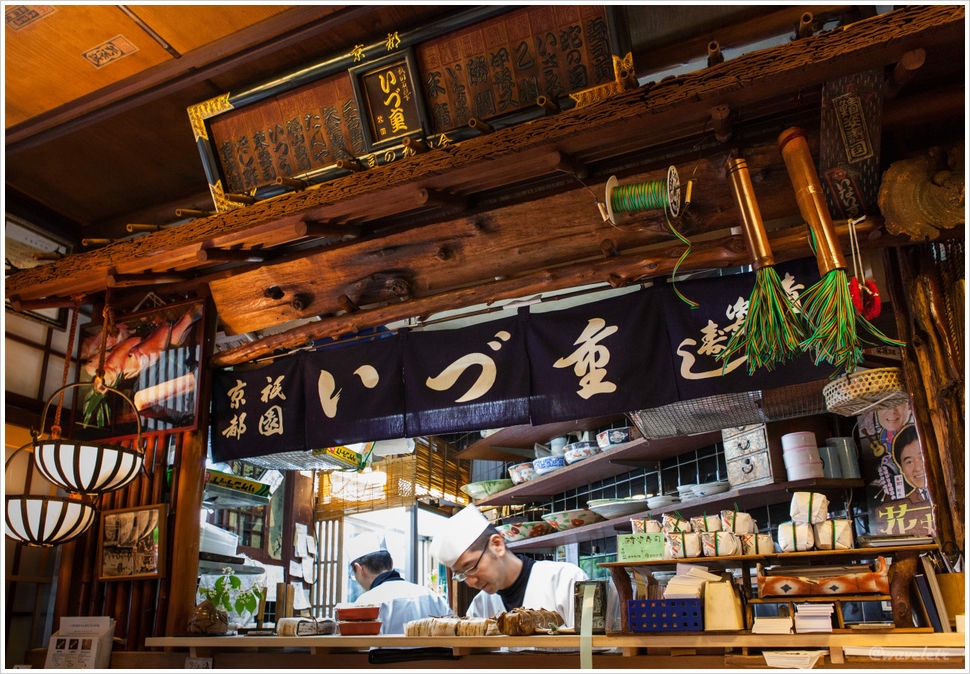
いづ重寿司,京都
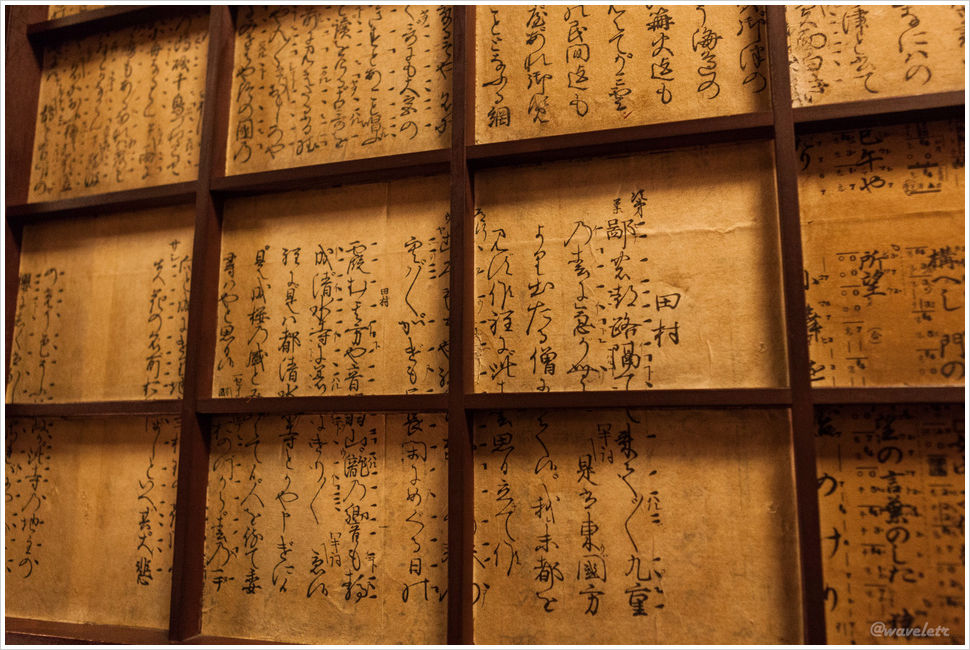
いづ重寿司,京都
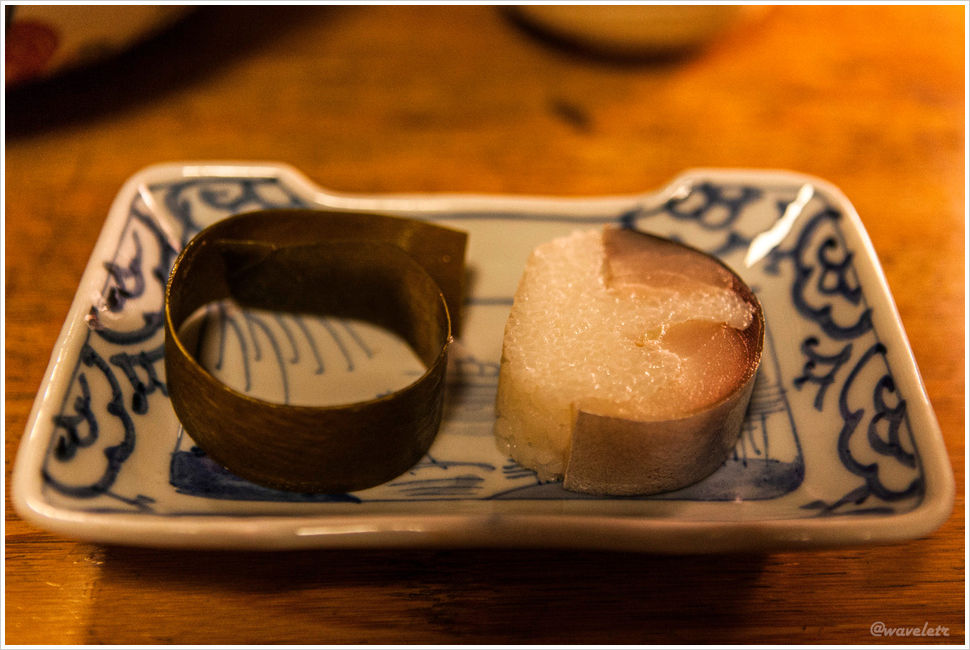
いづ重寿司,京都


0 Comments

Japan – Restaurants and Work Culture

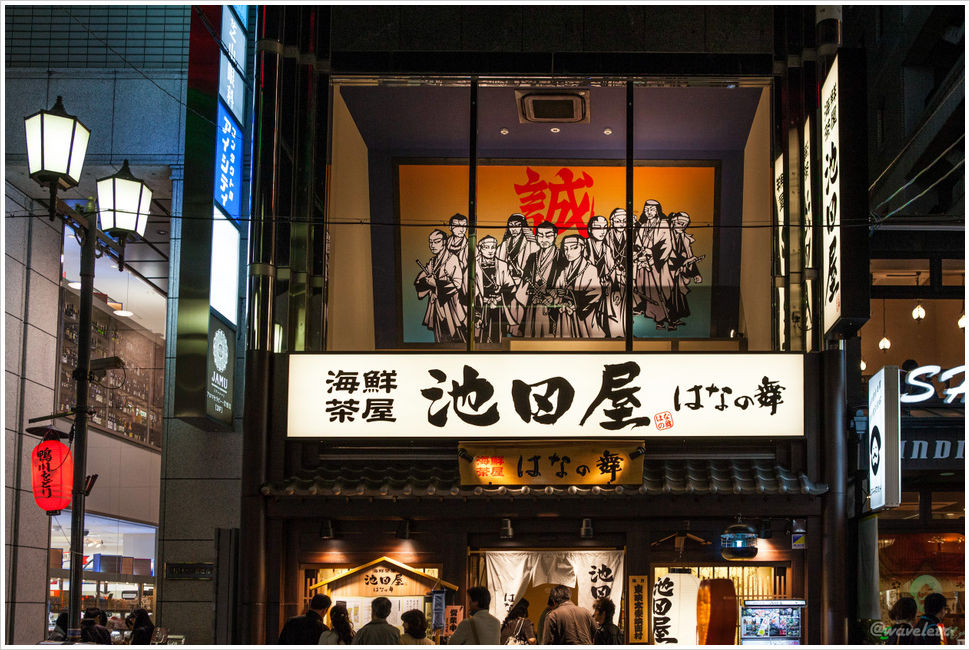
We arrived in Tokyo at Sunday night (4/25). I woke up at 4AM in the morning the next day and couldn’t get to sleep any longer, so I decided to have a morning walk around the city. Our hotel is only 5-minute-walk to Ginza (银座). With the reputation of one of the most expensive districts in the world, Ginza failed to impresse me. However, I was surprised by the density of restaurants in the area. Every block, every corner, under the bridge, in the subway station, next to the most high-end store or in the 3-feet-wide alley, they are everywhere. Many multi-level buildings are all taken by restaurants. When you have too many choices, it’s actually harder to make decision. Luckily, my sister has a friend who helped us out in Tokyo. We went to almost every restaurants he suggested.

The plenty of restaurants is the direct result of Japanese’ work culture. I never saw these many of people on the street at 10PM in a workday. It’s a norm in Japan for men to work overtime everyday to at least 7PM and then have dinner together with their coworkers after work. They may go back to work till midnight. While humble and quite in the day, they crowd every restaurants, drinking, smoking and talking loudly at night. I’ve heard that wives in Japan would look down their husbands if they get home early, now I know it must be true.

On one hand this is the time that working men can finally relax; on the other hand it shows how much pressure they carry everyday. It’s not unusual to see people having dinner alone in the restaurants, sometimes still working on their jobs. There are small noodle houses that provide no seat at all, so people in a hurry just stand there, finish their bowls and leave. A lot of people fall sleep in the subway while the train take them home at the midnight. This work culture and long commute time effectively cut their connections with the family. It makes a distinct comparison to American working styles.

东京

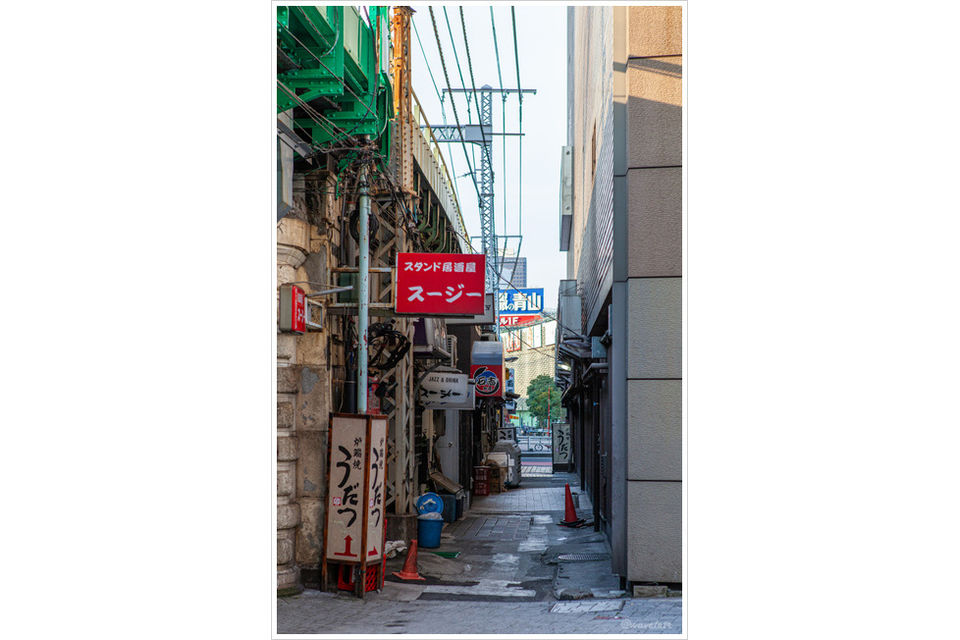
Restaurant under railway overpass
Restaurant in the small ally
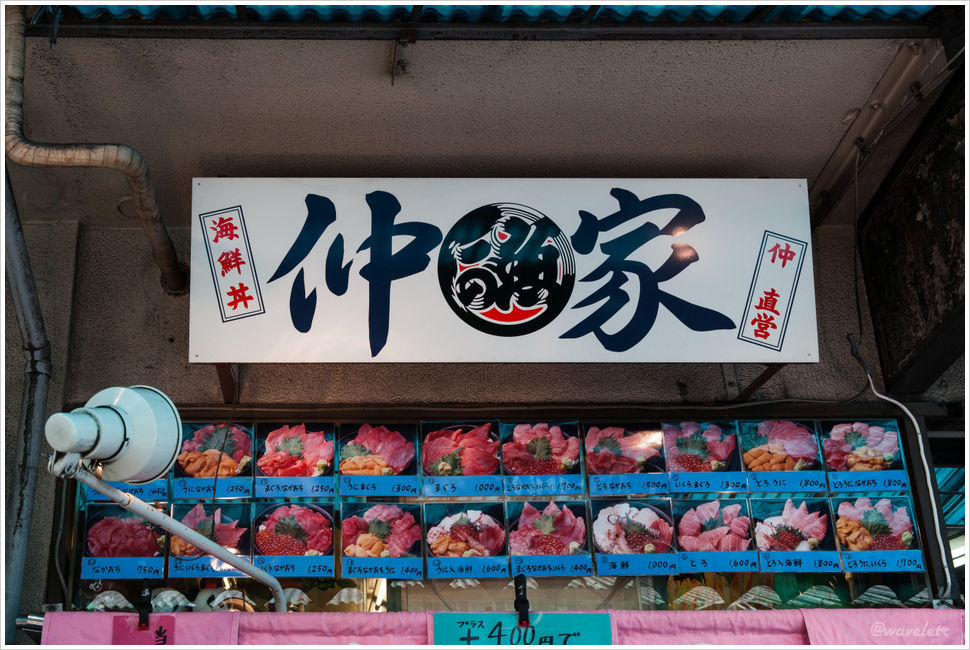
海鲜丼
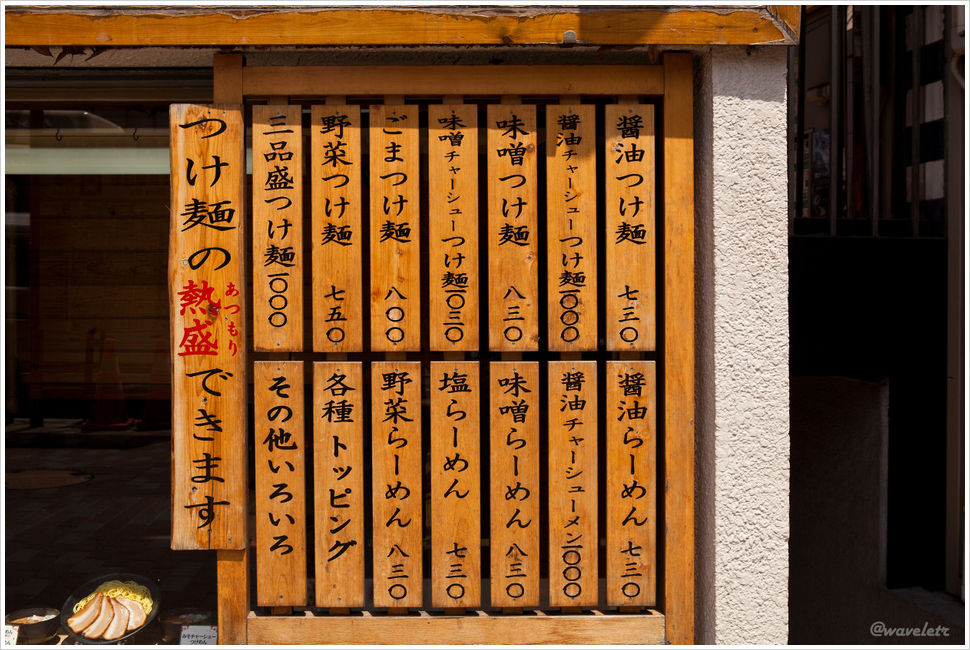
Noodle Menu
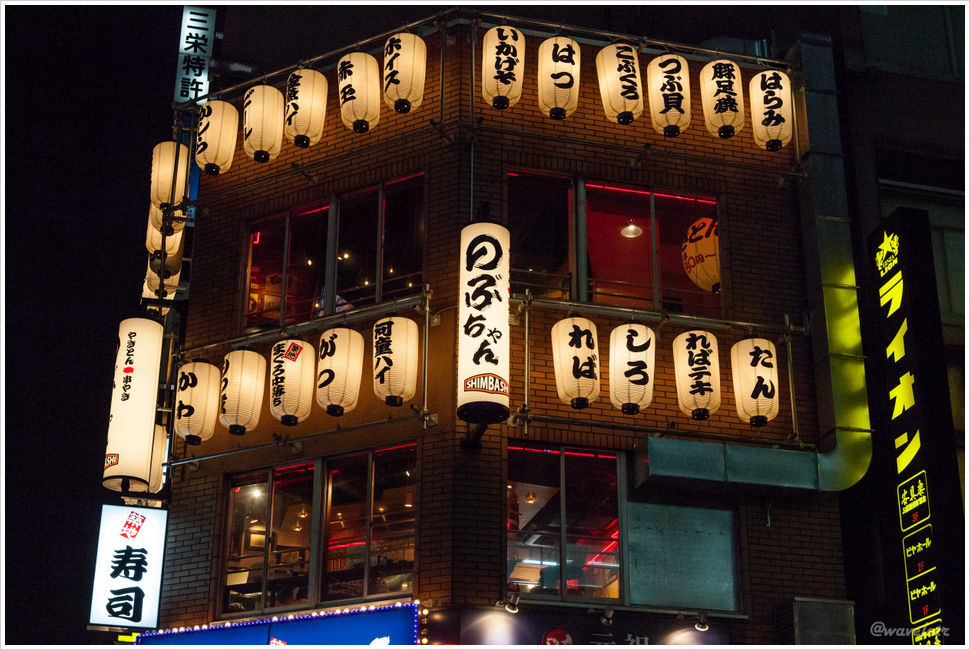
Restaurant in Shinbashi (新橋,东京)
Restaurant in Shinbashi
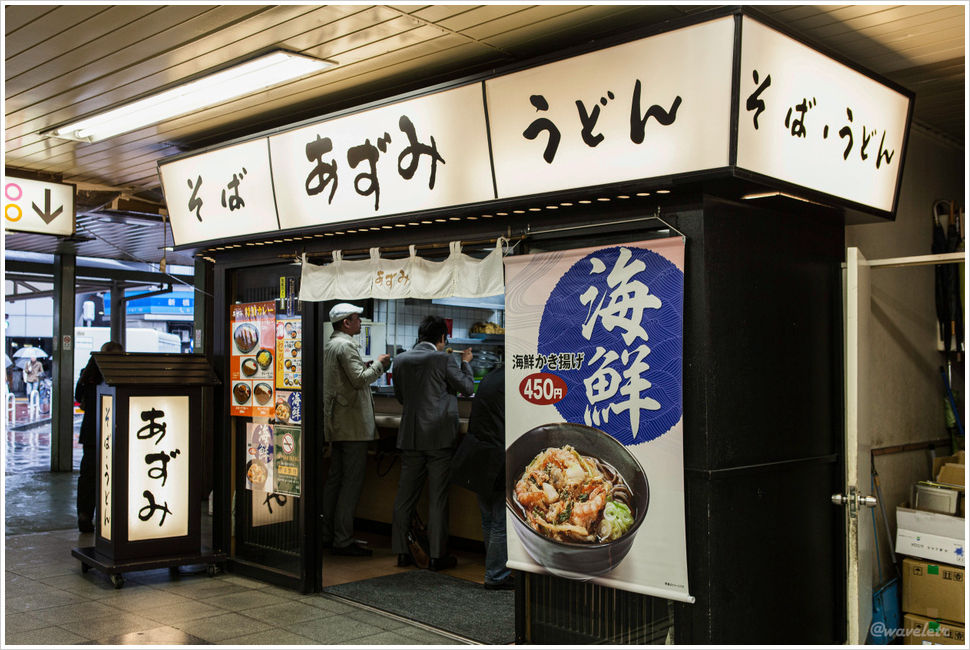
Noodle House with no Seat in Shinbashi Station (没有座位的面馆,新橋駅)
oodle House with no Seat in Shinbashi Station


京都

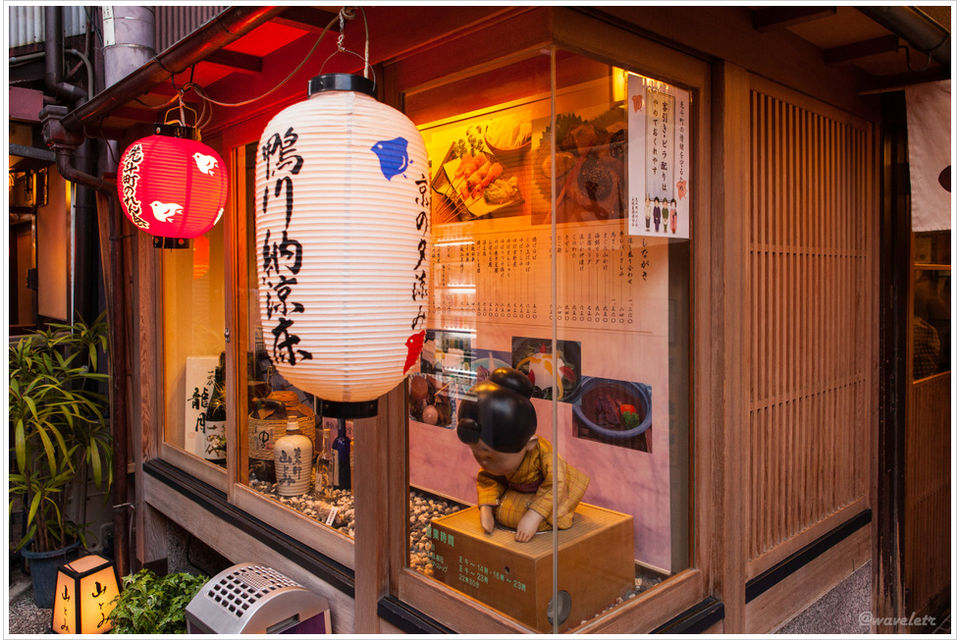
Restaurant in Pontocho (先斗町,京都)
Restaurant in Pontocho
Restaurant in Pontocho (先斗町,京都)
Restaurant in Pontocho
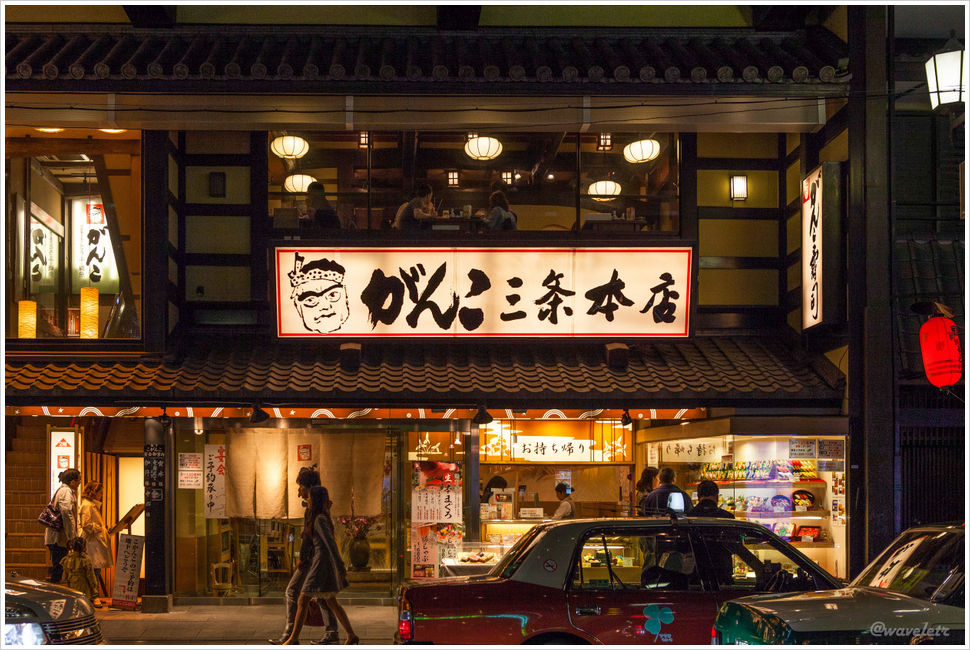
Restaurant at Sanjo (京都三条)
Restaurant at Sanjo
Restaurant at Sanjo (京都三条)
Restaurant at Sanjo
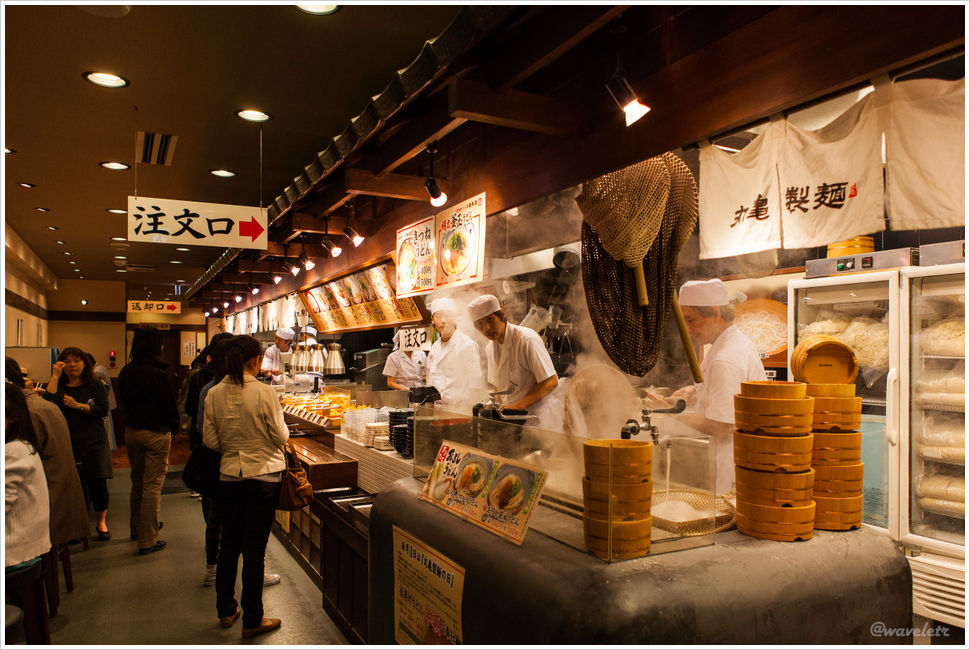
Inside a Udonn Noodle House in Kyoto (京都的乌冬面馆)
Inside a Udonn Noodle House in Kyoto
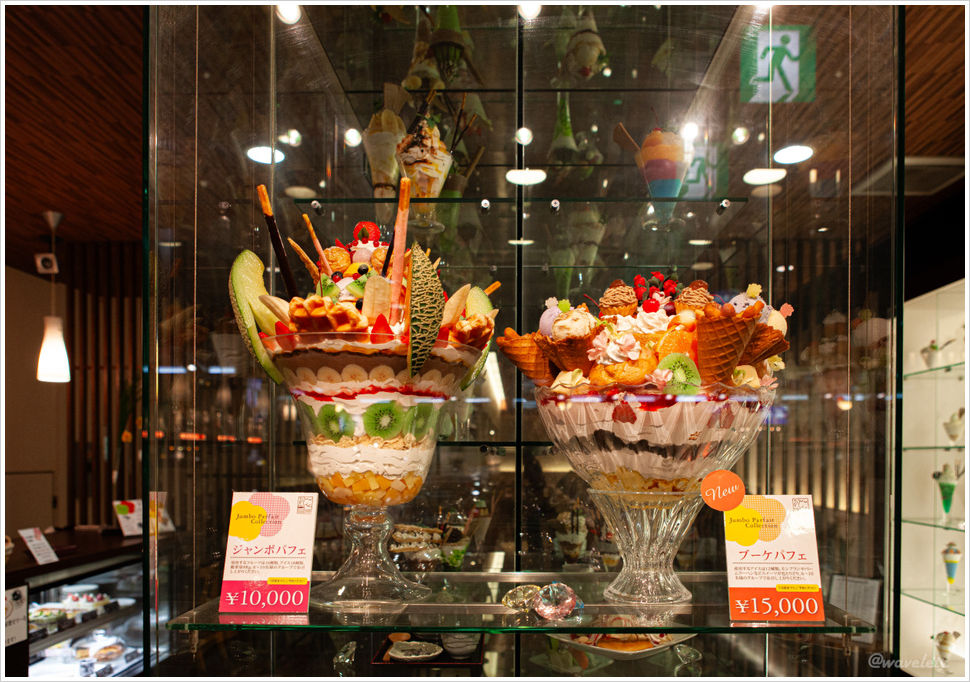
Huge Ice Cream Display in Restaurant in Kyoto


0 Comments