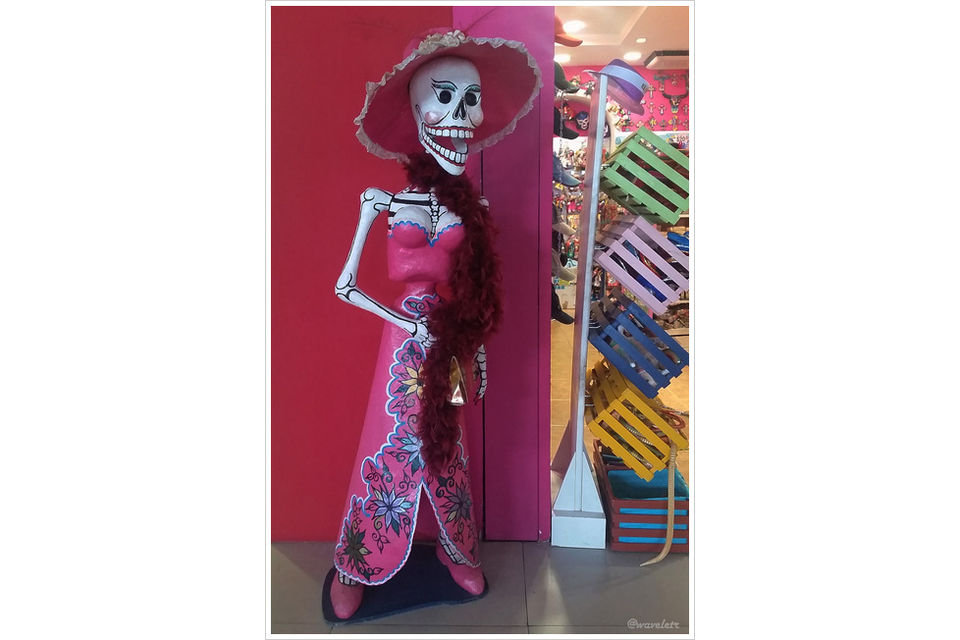
2016.12.24~27
Baja California, means “Lower California” in Spanish, is the Mexican peninsula that borders the U.S. state of California. On a map, it reads as a natural southward extension of California, connected to mainland Mexico by only a narrow strip of land. The entire California region was once a Spanish colony. After Mexican independence in 1821, it became Mexican territory, divided into Alta (Upper) and Baja (Lower) California. In 1848, following the Mexican-American War, Upper California was ceded to the United States and became its 31st state.
Mexico’s Baja peninsula is split into two states, north and south. Los Cabos, where we headed, sits at the peninsula’s southern tip and encompasses two main cities: Cabo San Lucas and San José del Cabo. It may not rival Cancún in scenery, history, or range of activities, but its proximity to California — just a two-and-a-half-hour flight from the Bay Area — makes it a popular tourists destination for Americans.
From the airport, unless you rent a car, a taxi is the only option, and it is not cheap. The fare to our hotel ran 50 U.S. dollars; getting to the slightly closer San José del Cabo would not save much. The road network around Los Cabos is straightforward and well maintained. Local drivers are less disciplined than those in the States, but not reckless — worth considering a rental next time. Because the local economy revolves around American tourism, U.S. dollars are accepted everywhere; there is no need to exchange for Mexican pesos.
Large resorts line the Los Cabos coastline, many offering all-inclusive packages. All-inclusive hotels are convenient, but they tend to be crowded and noisy, and the on-site restaurants are mediocre at best. Having already paid, you feel reluctant to eat elsewhere. It is not a great trade-off in our view. So this time we chose a small beachside hotel, Casa Costa Azul, just outside the town of San José del Cabo. The owner lives on the premises, and the family runs the entire operation. The hotel sits right on the sand. From our room we could see the ocean and hear the waves. Step outside and the beach is there, uncrowded. We walked along the shore every morning and evening. This was a genuine vacation.
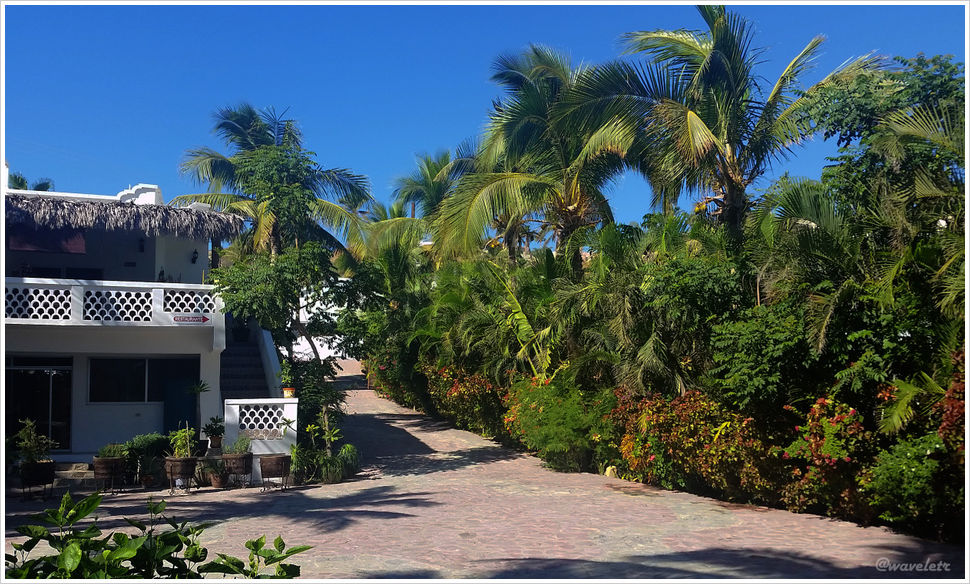
At the center of Casa Costa Azul is a small garden, tended daily by gardeners. A two-story white building houses the dining area, breakfast is included, but lunch and dinner must be arranged with the hostess each day, though the restaurants in town are a better bet. The four-story hotel building faces the beach and is attractively built, with spacious, clean rooms. The end units have balconies directly overlooking the beach, but every room offers a view of the sea.
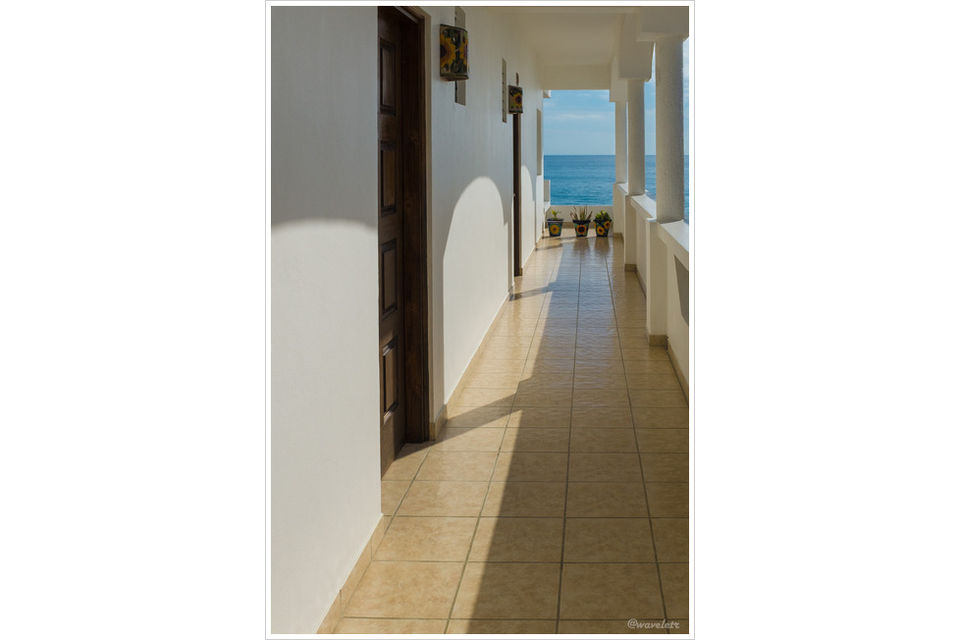
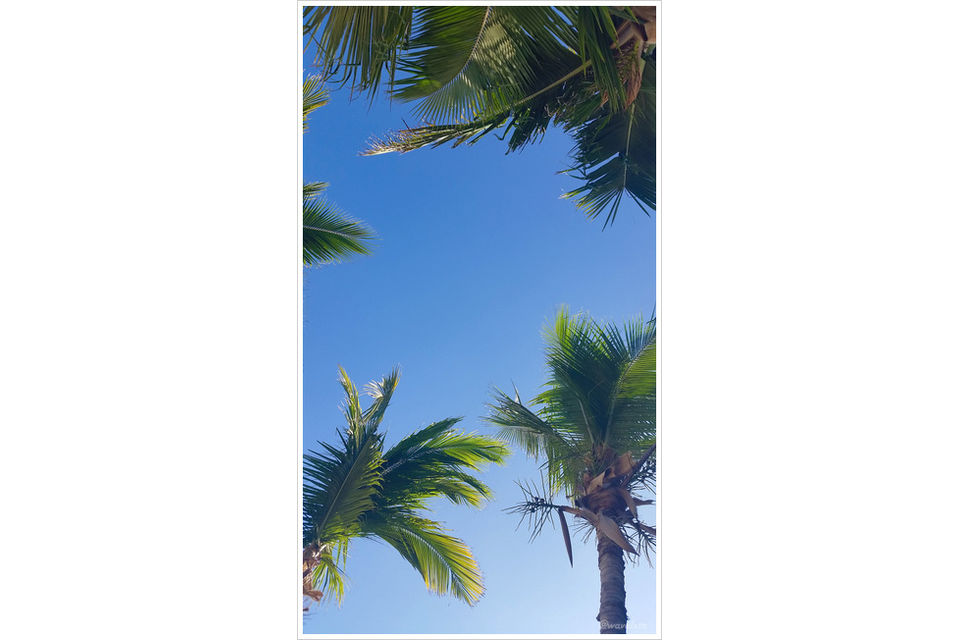
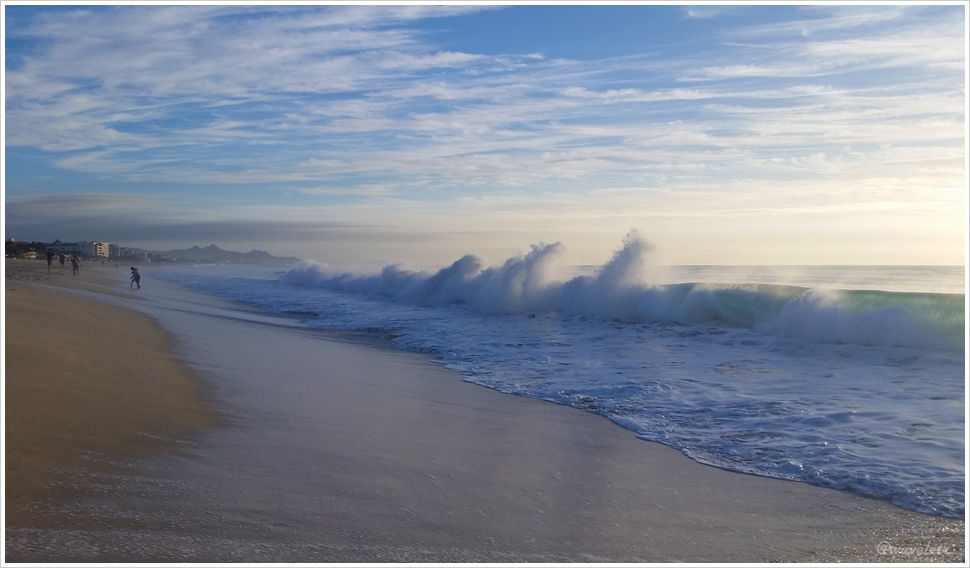
Los Cabos lies within the Tropic of Cancer. Year’s end falls in the dry season, no rain at all. The locals considered the days we were there cold; sitting outside in the evening did call for a light jacket. Still, it was far warmer than Northern California. Even overcast mornings cleared by noon into brilliant sunshine. With nothing planned, lounging in a beach chair or a hammock by the sand was pleasure enough.
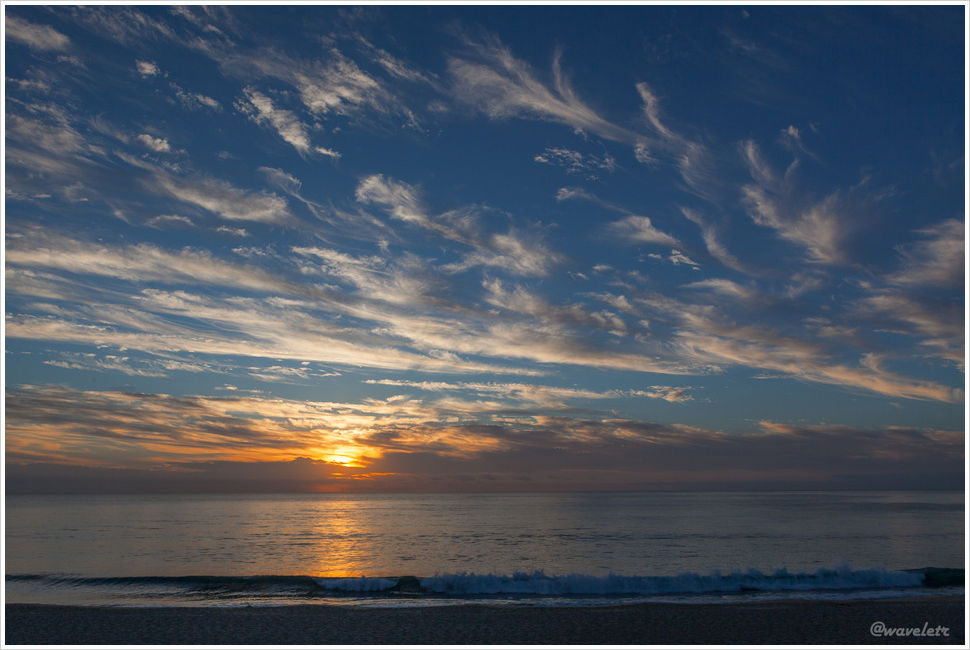
The coastline stretches a long way. Walking east, you can reach the hotel district of San José del Cabo, only three to five kilometers, not far at all. The peninsula’s eastern shore faces the Gulf of California, making this one of the few spots on North America’s west coast where you can watch the sun rise over the water.
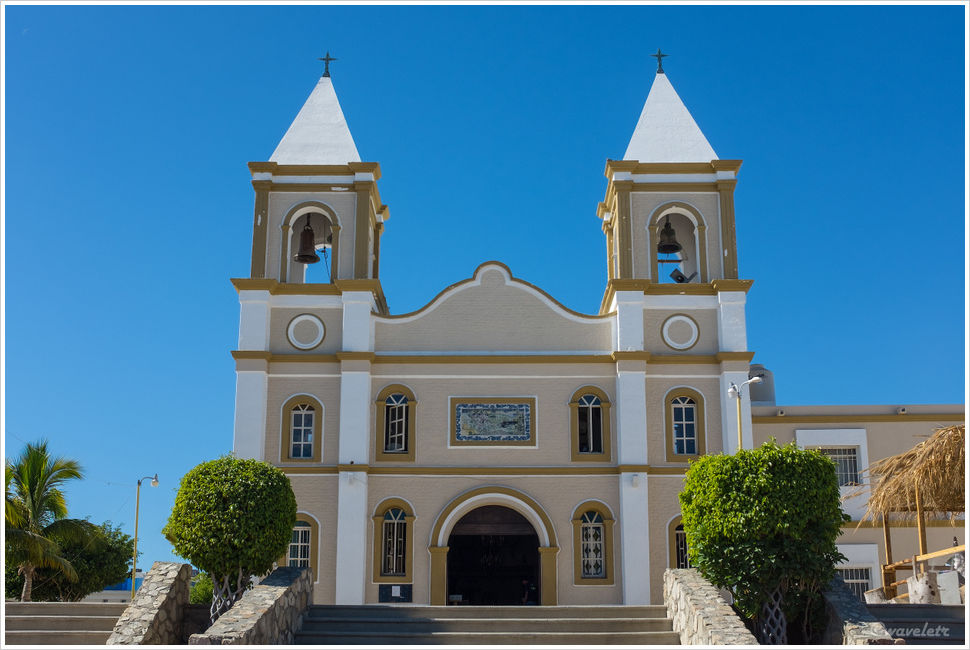
On the second day, around noon, we set out for San José del Cabo. The town center is about 10 kilometers from the hotel. A taxi should cost under 10 dollars. Perhaps because it was Christmas Day, the cab never showed, and the hotel owner drove us himself. In the early 18th century, Spanish settlers established a mission near San José del Cabo; within a few years it was burned down by the local indigenous people. The church that followed was used as a barracks during the Mexican-American War and sustained heavy damage. The current structure was rebuilt after a storm in 1918.
The main square in San José del Cabo is Plaza Mijares. On one side stands the church; on the other, a tall Mexican flag flies above a memorial plaza. During the Mexican-American War, San José del Cabo was occupied by American forces, and Mexican defenders mounted a three-month siege. The plaza is named after Lieutenant José Antonio Mijares, who was killed in the fighting. This battle played a part in keeping the Baja California peninsula under Mexican sovereignty after the war.
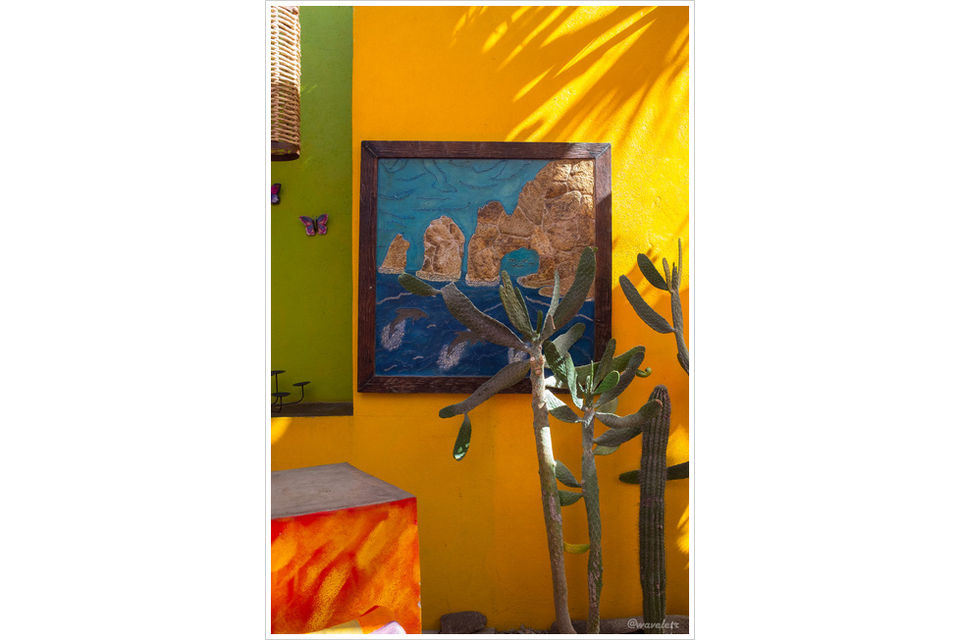
Tourism in Cabo took off in the 1960s and 70s, yet San José del Cabo has preserved much of its Spanish colonial culture and character. Without the clamor of Cabo San Lucas, its compact downtown — five or six blocks at most — is lined with craft shops and galleries. The restaurants feel less commercialized than those in Cabo San Lucas, and several are genuinely good.
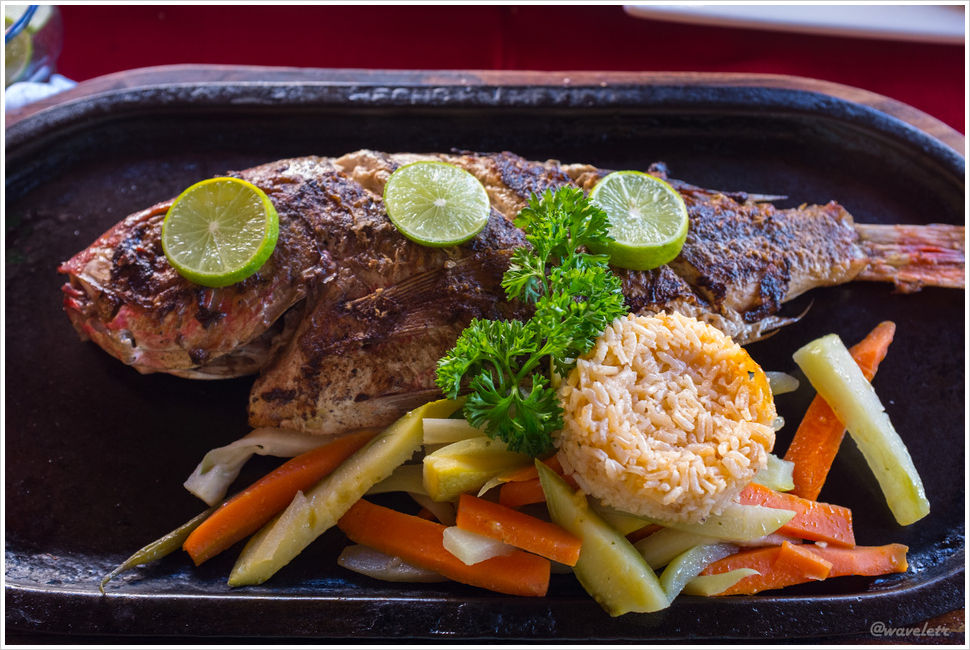
That afternoon we took a taxi to browse the beachfront hotel zone and the shops in the newer part of town, then rode a city bus back to the old center in the evening. Because it was Christmas, many shops and galleries were shuttered. We had dinner at The View, a restaurant on Plaza Mijares. Its second-floor terrace overlooks the entire church square.
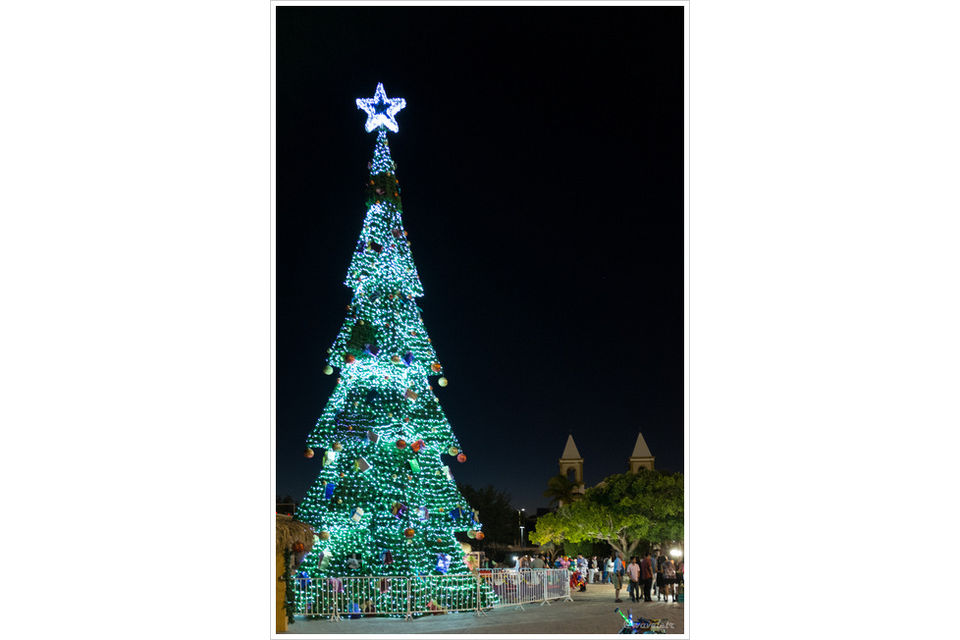
Cabo San Lucas is about 30 kilometers from San José del Cabo — a taxi ride of 20-odd dollars. Buses run between the two cities, but there seem to be no marked stops along the way. Locals know where to wait, but challenging for visitors. On day three we took a taxi to Cabo San Lucas at noon.
Compared to San José del Cabo, Cabo San Lucas is a full-blown party town. It’s the kind of place where spring breakers come for the beach and the nightlife. The main streets look like any other Mexican city, but plenty of shops, bars, and restaurants encircling the harbor could pass for an American waterfront mall.
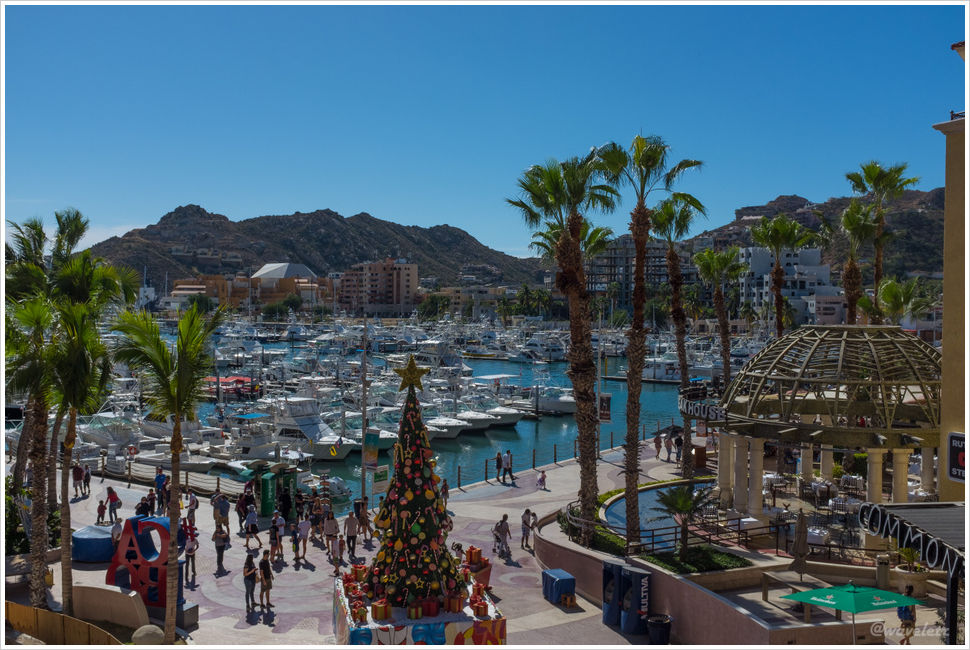
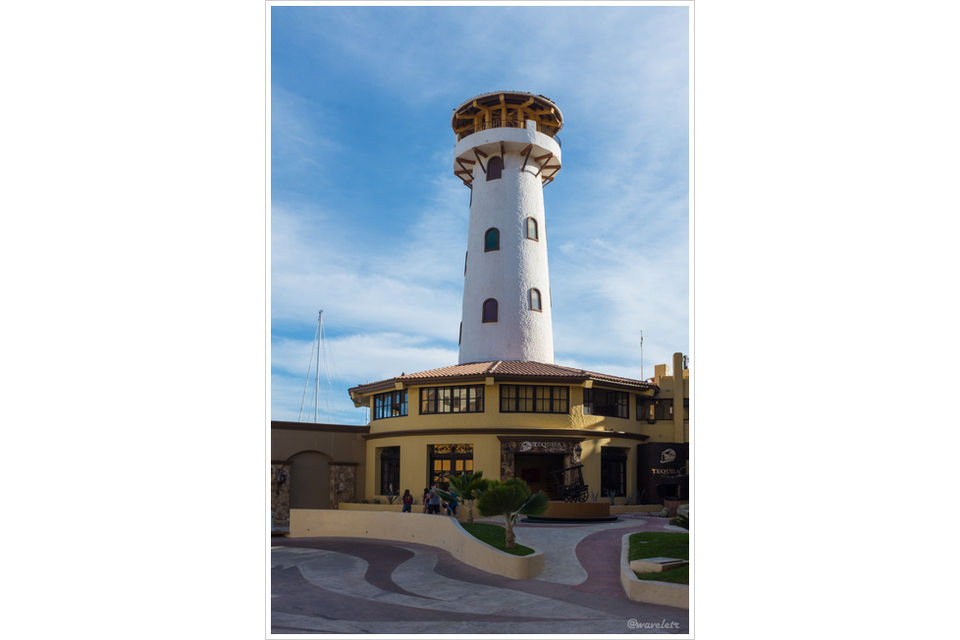
One of Cabo San Lucas’s landmarks is the rock arch at the peninsula’s tip, jutting into the sea like an elephant’s trunk. We followed the harbor around to the end of the road, only to discover that the arch can be neither reached nor seen from this direction. Beyond the harbor’s commercial fringe, the area belongs to locals at leisure.
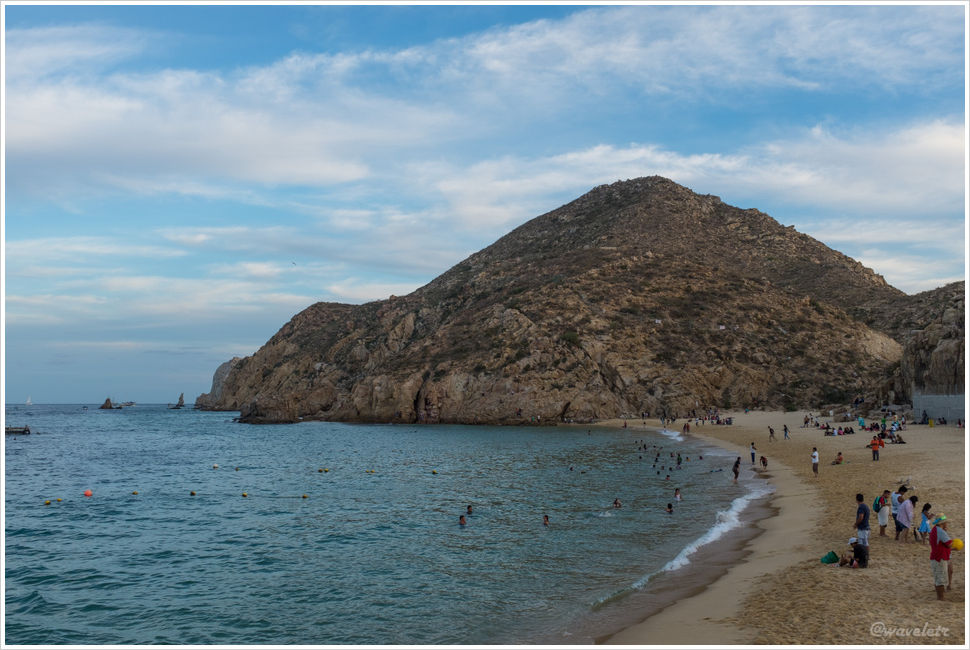
On our last day we departed at noon and flew back to San Jose, California. The Los Cabos trip had no packed itinerary — relaxed, unhurried, and only a two-and-a-half-hour flight away. A solid choice for a short recharge.